

ENI crypto see dramaticl surge in TVL
2026/06/21 11:11:00
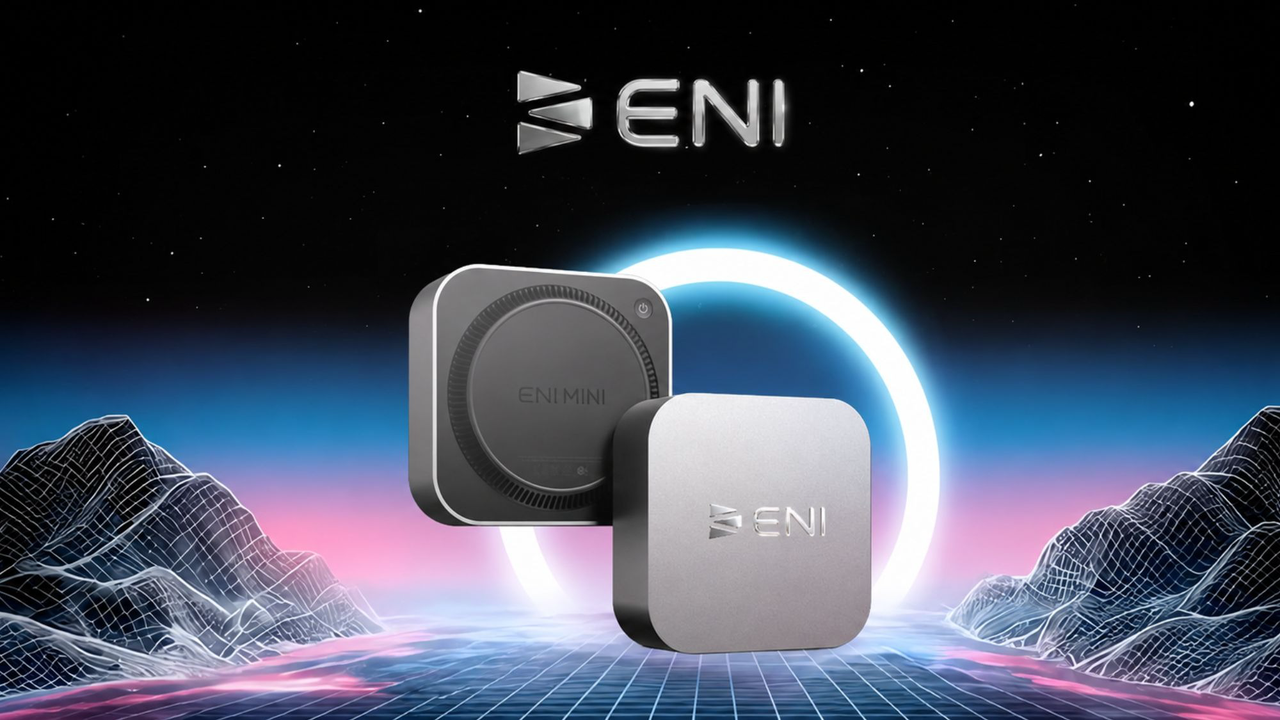
ENI, an enterprise-grade modular Layer 1 blockchain, has captured attention in the DeFi space through substantial growth in its Total Value Locked (TVL). Designed for high-throughput commercial applications with capabilities reaching 10,000 transactions per second via its ENI Matrix architecture, the chain emphasizes parallel execution, AppChains, and interoperability features tailored for real-world asset (RWA) integration and institutional use. Recent data highlights periods of accelerated capital inflows, reflecting broader interest in scalable infrastructure that bridges traditional finance with decentralized ecosystems.
This growth aligns with increasing demand for efficient, customizable blockchain solutions that support complex business operations without compromising on speed or security. ENI's TVL surge underscores the rising viability of specialized Layer 1 platforms optimized for enterprise adoption, where technical performance, targeted partnerships, and DeFi utility converge to attract sustained liquidity in a competitive market.
High-Performance Architecture Fuels Capital Inflows on ENI Chain
The core technical foundation of ENI directly contributes to its capacity to handle increased DeFi activity and associated TVL growth. Built with a modular design incorporating Mainnet, Hub, and AppChain components powered by a proprietary Hyper-ordered Parallel Engine, the network achieves low-latency block times around 0.3 seconds and supports quantum-computing-grade security measures. This setup allows for decoupled business logic, enabling enterprises to deploy customized application-specific chains under unified governance while maintaining high scalability. In practice, such architecture facilitates real-time on-chain settlements critical for RWA transactions and high-frequency DeFi operations. Protocols like Dswap have demonstrated the ability to lock significant value, with reports indicating TVL milestones exceeding $100 million in key periods, illustrating how technical robustness translates into practical liquidity retention.
Developers benefit from EVM compatibility, lowering barriers for porting existing applications and accelerating ecosystem maturation. As market participants seek alternatives to congested networks, ENI's emphasis on parallel processing positions it to capture flows from sectors requiring reliable throughput, such as cross-border payments and tokenized asset management. This infrastructure edge supports organic growth in locked assets by minimizing slippage and execution risks that plague lower-performance chains. Recent metrics show steady, if variable, activity levels, with DEX volumes contributing to overall chain revenue and reinforcing the flywheel of TVL accumulation through yield opportunities and efficient trading. The combination of these elements creates a compelling environment for capital deployment, distinguishing ENI in evaluations of emerging Layer 1 performance.
Strategic Partnerships Drive Ecosystem Liquidity and Adoption
Collaborations form a key pillar supporting ENI's TVL momentum by integrating external liquidity and expertise into the network. Partnerships with platforms like XBIT have focused on enhancing scalable infrastructure and exposing users to advanced digital asset management tools, potentially boosting transaction flows and asset bridging. Similarly, alliances with entities such as NerveNetwork have improved cross-chain interoperability, allowing seamless asset transfers that encourage more capital to remain deployed on ENI rather than fragmenting across isolated ecosystems. These initiatives target enterprise users seeking reliable bridges for RWAs and operational efficiency. In one notable example, integration efforts have aimed to simplify multi-chain interactions, thereby directly aiding TVL retention by reducing friction in portfolio management.
Data from ecosystem recaps indicate that such moves coincided with upticks in daily active addresses and transaction counts, metrics that often precede or accompany TVL increases as users engage more deeply with protocols. The focus on institutional-grade solutions, including potential ties to financial services providers, further validates the chain's utility for larger capital allocators wary of volatility in less mature networks. By prioritizing practical interoperability and performance, these partnerships generate network effects where initial liquidity inflows attract additional builders and users, sustaining growth. This approach avoids reliance on short-term incentives alone, instead building durable value through real utility that encourages long-term locking of assets in DeFi primitives like swaps and derivatives. Observers note that such strategic positioning helps ENI stand out among numerous competing chains vying for DeFi market share.
DeFi Protocols on ENI Showcase Practical Utility for TVL Retention
Native DeFi applications on ENI play a central role in converting technical capabilities into measurable TVL by offering users tangible yield and trading opportunities. Dswap, a primary DEX, has accounted for a substantial portion of locked value, with historical peaks demonstrating its draw for liquidity providers seeking efficient execution in a high-TPS environment. EGAS swap and derivatives protocols like Fufuture Contract complement this by expanding the range of available instruments, including perpetuals that appeal to traders looking for leveraged exposure without excessive fees. These protocols benefit from the chain's low-latency design, which supports tight spreads and rapid settlements essential for active DeFi participation. Volume data, while fluctuating, underscores periods of heightened engagement that correlate with TVL stability or growth, as users provide liquidity to earn rewards and participate in ecosystem incentives.
The modular AppChain framework allows these protocols to operate with customized parameters, optimizing for specific use cases such as enterprise treasury management or tokenized commodity trading. This flexibility helps maintain competitive APYs and user retention compared to generalized platforms. Analysis of on-chain metrics reveals that core DeFi activity contributes to fee generation, which in turn can support ecosystem development and further attract capital. As the broader DeFi sector matures, chains like ENI that deliver specialized tools for RWAs and efficient trading see stronger capital commitment from both retail and institutional participants. The interplay between protocol performance and network fundamentals creates a self-reinforcing cycle favorable to sustained TVL levels.
Interoperability Enhancements Expand ENI's Addressable Market
Efforts to improve connectivity with other blockchains have broadened ENI's appeal, facilitating inflows that bolster overall TVL. Integration with cross-chain solutions enables assets from established networks to move fluidly onto ENI, where users can access superior execution speeds and enterprise features. This reduces the opportunity cost of migrating liquidity and encourages experimentation with hybrid strategies across ecosystems. For instance, bridged TVL components highlight active use of these pathways, contributing to native and canonical asset locks that enhance chain security and utility. Such enhancements align with industry trends toward fragmented liquidity pools seeking unification, allowing ENI to position itself as a high-performance hub for multi-chain operations.
Developers can leverage these tools to build applications that serve global users without being constrained by single-network limitations. Market implications include greater resilience to sector-specific downturns, as diversified inflows provide stability. Practical examples from recent activity show increased transaction volumes following interoperability upgrades, signaling user confidence in the chain's ability to handle complex flows. This connectivity also supports RWA initiatives by enabling seamless tokenization and transfer of traditional assets, a growing segment that demands reliable infrastructure. By focusing on practical bridging rather than hype, ENI strengthens its role in the Web3 ecosystem, where capital follows networks offering genuine composability and efficiency.
Enterprise Focus Differentiates ENI in Competitive Layer 1 Landscape
ENI's deliberate orientation toward enterprise requirements sets it apart from consumer-centric chains, influencing TVL through targeted use cases that command larger capital commitments. The architecture supports compliance-friendly AppChains and high-speed settlements suited for institutional workflows, such as supply chain finance or tokenized securities. This focus attracts partners and users prioritizing stability and customization over retail meme-driven activity. Metrics from ecosystem growth periods reflect adoption in business-oriented applications, where TVL represents not just speculative liquidity but operational reserves. Compared to broader market leaders, ENI's modular design offers a balance of scalability and governance flexibility that appeals to organizations transitioning assets on-chain.
Industry context shows rising interest in such platforms as tokenization volumes increase across finance. Practical deployments demonstrate how enterprises can launch dedicated chains within the ENI framework, locking value for specific operational needs while benefiting from shared security. This model promotes deeper integration and longer-term capital lockups, contributing to TVL resilience. As regulatory clarity improves in various jurisdictions, enterprise-grade solutions like ENI are well-placed to capture institutional flows seeking efficiency gains from blockchain technology. The emphasis on real-world utility over speculative features provides a foundation for authentic growth in locked assets.
RWA Integration Opportunities Boost Long-Term TVL Potential
Real-world asset tokenization represents a significant avenue for ENI's continued TVL expansion, leveraging its performance characteristics for efficient on-chain representation of traditional assets. The chain's high TPS and low fees make it suitable for frequent settlements in commodities, real estate, or invoice financing applications. Partnerships and infrastructure updates have aimed to facilitate these integrations, drawing capital from sectors traditionally outside crypto. As tokenized assets gain traction, platforms with enterprise readiness see preferential inflows due to compliance and scalability advantages. Data trends in the wider market indicate substantial room for growth in RWA DeFi, where chains like ENI can differentiate through specialized tooling.
Users benefit from yield opportunities on tokenized holdings combined with seamless trading, encouraging asset locking. This segment often involves larger ticket sizes from institutional players, providing a counterbalance to retail volatility. Analysis suggests that successful RWA adoption could materially impact TVL by introducing stable, utility-driven liquidity less prone to rapid outflows. ENI's modular setup allows for tailored solutions that address specific industry pain points, fostering adoption and retention. The broader context of increasing on-chain capital allocation supports this trajectory, positioning the chain for meaningful contributions to overall DeFi maturation.
Developer Activity and AppChain Deployment Accelerate Growth Metrics
The ability to deploy customized AppChains has spurred developer interest, indirectly supporting TVL by expanding the range of available applications and use cases. ENI's framework simplifies the launch of dedicated environments, attracting builders focused on niche enterprise solutions rather than competing in saturated general-purpose DeFi. This leads to a diverse ecosystem where new protocols can onboard users and liquidity without infrastructure bottlenecks. Reports of acceleration programs and grants indicate efforts to bootstrap activity, resulting in higher transaction counts and address growth during active periods. Such initiatives help maintain engagement, which correlates with liquidity provision in core protocols.
The EVM-compatible environment reduces onboarding friction, allowing teams to focus on value creation. Practical outcomes include innovative dApps that lock capital through unique yield mechanisms or service offerings tailored to specific industries. As developer tools mature, the network effects compound, drawing more participants and sustaining TVL. This dynamic contrasts with chains reliant on transient hype, offering a more stable path to capital accumulation. Industry-wide shifts toward modular architectures validate this strategy, with ENI positioned to benefit from the demand for scalable, specialized deployments.
Fee Generation and Economic Model Support Sustainable TVL
ENI's economic design, featuring revenue from DEX activity and other primitives, contributes to a self-sustaining model that reinforces TVL attractiveness. Modest but consistent fee accrual reflects genuine usage rather than artificial stimulation, providing insights into network health. These revenues can fund further development, creating positive feedback for users considering long-term participation. In DeFi contexts, predictable economics help liquidity providers assess risks and rewards more accurately. While volumes vary, the underlying infrastructure ensures efficient capture of value from transactions, supporting yield distribution that encourages locking.
This model aligns incentives across stakeholders, from validators to application users, fostering ecosystem stability. Comparative analysis with other chains highlights how performance advantages translate into competitive fee structures that do not deter activity. Practical implications for TVL include reduced sell pressure from operators and increased confidence in the network's viability. As DeFi matures, chains demonstrating sound tokenomics and utility-driven fees tend to retain capital more effectively amid market cycles. ENI's approach emphasizes operational efficiency, which underpins its appeal for capital allocators seeking durable exposure.
Market Context and Comparative Performance of ENI
Within the broader Layer 1 competitive set, ENI's growth episodes shows selective strength in enterprise niches amid varying performance across ecosystems. While major chains dominate absolute TVL, specialized platforms like ENI demonstrate outsized percentage gains during expansion phases driven by targeted catalysts. This positions it as a relevant player for diversified portfolios seeking exposure to high-performance infrastructure. Contextual factors such as overall DeFi recovery and RWA interest provide tailwinds, with ENI's metrics showing responsiveness to these trends. Comparative evaluations often cite its TPS claims and modularity as advantages for specific workloads.
Liquidity providers evaluate such chains based on execution quality and opportunity sets, areas where ENI has recorded notable activity. The surge periods align with partnership announcements and protocol milestones, illustrating responsiveness to fundamental developments. This context helps frame ENI's TVL direction as part of a maturing segment where utility drives differentiation. Ongoing monitoring of metrics like active users and volume provides signals for future capital flows. The chain's focus offers a counterpoint to more generalized competitors, highlighting the value of specialization in attracting committed liquidity.
Resilience Factors in ENI's TVL Journey
Despite positive momentum, ENI faces typical challenges in the Layer 1 space, including competition for liquidity and the need for consistent user acquisition. However, its enterprise orientation and technical specifications provide resilience through deeper integrations that are harder to displace. Fluctuations in weekly volumes highlight the importance of sustained development to maintain engagement. Factors such as bridged asset diversity and native protocol strength help buffer against external pressures. Practical strategies observed include a focus on quality over quantity in partnerships, ensuring alignments that deliver ongoing value.
This contributes to TVL stability by prioritizing use cases with inherent demand. Broader market analysis shows that chains with strong fundamentals weather volatility better, a category ENI aims to occupy through continuous infrastructure improvements. Addressing adoption hurdles through education and tooling enhancements remains key to converting interest into locked capital. The network's design supports iterative growth, allowing adaptation to user feedback and emerging needs. Overall, these elements suggest potential for measured, utility-backed expansion in TVL rather than purely speculative spikes.
Future Perception for ENI in DeFi Ecosystem
Looking ahead, ENI's direction depends on executing its roadmap around AppChain proliferation, further interoperability, and RWA enablement. Continued emphasis on performance and enterprise solutions could drive additional TVL as more capital seeks efficient on-chain venues. Industry projections for DeFi and tokenization growth provide a favorable backdrop, with modular L1s well-suited to capture share. Metrics to watch include protocol diversification, sustained transaction activity, and institutional onboarding indicators.
The chain's ability to deliver on high-TPS promises while maintaining security will be critical for credibility. Practical examples from current activity offer a basis for optimism regarding scalable applications. As the market evolves, platforms demonstrating clear value propositions for business use are likely to see preferential capital allocation. ENI's progress in these areas positions it for potential relevance in next-phase DeFi development. Strategic focus on measurable outcomes rather than hype supports a foundation for enduring growth in locked value.
Investment Implications and Risk Considerations for ENI Participants
Participants engaging with ENI's ecosystem should consider the interplay of technical merits, adoption curves, and market dynamics when evaluating exposure. TVL growth signals interest but must be viewed alongside metrics like fee sustainability and user retention for a complete picture. The chain's enterprise tilt may appeal to those seeking exposure beyond retail trends, though liquidity and volatility remain factors.
Practical due diligence involves reviewing on-chain data, protocol performance, and partnership deliverables. Diversification across DeFi assets and awareness of broader sector risks apply here as in other networks. ENI's model offers opportunities tied to real utility, potentially leading to more stable participation compared to purely speculative plays. As always, thorough analysis of current conditions informs decision-making in this space.
Conclusion
ENI's observed TVL growth, including notable surges such as Dswap TVL exceeding $100 million in April 2026 and overall chain TVL reaching peaks around $259 million in May, highlights the potential for specialized Layer 1 blockchains to carve out meaningful roles in enterprise DeFi. This progress stems from its strong modular architecture featuring the ENI Matrix with high-throughput parallel processing, strategic partnerships like those with NerveNetwork for cross-chain interoperability and Republic Crypto for institutional capital bridging, and practical applications focused on real-world assets and customized AppChains.
While challenges persist in a crowded, competitive field, including sustaining user engagement beyond incentive-driven periods and navigating fluctuating DEX volumes, the consistent focus on performance, low-latency execution, and enterprise-grade utility provides a clear path for further development and capital attraction. These elements differentiate ENI by addressing real business needs such as efficient tokenized asset management and scalable operations, rather than relying solely on retail speculation.
FAQs
What is the current status of ENI's TVL according to major analytics platforms?
ENI's TVL has experienced notable fluctuations and growth phases, reaching peaks around $100 million or more during active periods such as April 2026, primarily driven by protocols like Dswap, though current figures on platforms like DeFiLlama show more modest levels around $1 million, with variations in bridged and native components. This reflects the dynamic nature of early-stage ecosystem development, where capital responds to specific catalysts like partnerships and upgrades. Users monitoring TVL should cross-reference multiple sources for a comprehensive view, considering factors like protocol-specific locks and overall chain activity that contribute to these metrics.
How do ENI's technical features support its TVL growth compared to other Layer 1s?
ENI differentiates through its modular ENI Matrix architecture, parallel execution engine, and high TPS capabilities, which enable efficient handling of DeFi workloads and AppChain deployments that attract liquidity-seeking performance. Unlike more generalized chains, this setup minimizes congestion and supports enterprise use cases, leading to periods of accelerated inflows as seen in ecosystem reports. These features facilitate lower fees and faster settlements, encouraging liquidity providers to commit capital for yield farming and trading. In context, such advantages help ENI compete by offering tangible operational benefits that translate into retained TVL, particularly in RWA and interoperability scenarios.
What role have partnerships played in ENI's recent ecosystem expansion?
Partnerships with projects like XBIT, NerveNetwork, and financial entities have enhanced interoperability, liquidity access, and visibility, contributing to TVL upticks by integrating new users and assets onto the chain. These collaborations focus on practical outcomes such as cross-chain bridging and scalable infrastructure, which reduce barriers for capital deployment. Examples include improved multi-chain support that allows seamless interactions, boosting activity metrics, and locked values in core protocols. This strategy builds long-term resilience by aligning with institutional and developer needs rather than short-term incentives.
Why is enterprise focus important for ENI's long-term TVL sustainability?
Targeting enterprise applications allows ENI to attract larger, more stable capital commitments through customized solutions for RWAs, compliance, and high-volume operations, differing from retail-heavy models prone to volatility. This approach fosters deeper integrations and utility-driven locking, supporting fee generation and ecosystem health. In the current market, where tokenization and institutional adoption are rising, such specialization positions ENI to capture a meaningful share. It promotes retention as businesses rely on the network for ongoing functions, contributing to more predictable TVL patterns over time.
How can users participate in ENI's DeFi ecosystem to potentially benefit from TVL-related opportunities?
Users can engage via wallets connected to the ENI network by providing liquidity to DEXes like Dswap, exploring AppChains, or participating in cross-chain activities through supported bridges. Monitoring official channels and analytics for protocol updates helps identify yield opportunities and new deployments. Due diligence on risks, including smart contract security and market conditions, is essential. Participation often involves using native tokens for fees and governance where applicable, with resources available on the project's site offering guidance. This hands-on involvement allows direct interaction with the growing ecosystem.
What metrics should observers track to evaluate ENI's ongoing performance?
Key indicators include TVL trends on DeFiLlama, daily active addresses, transaction volumes, protocol-specific locks, and fee revenue, alongside news on partnerships and upgrades. Comparative analysis against similar chains provides context, while on-chain explorers reveal real usage. Consistent growth in these areas signals healthy development. Regular reviews help distinguish sustainable progress from temporary spikes.
How does ENI's TVL growth fit into the broader 2026 DeFi market trends?
ENI's surges align with increased interest in high-performance and modular chains amid overall DeFi TVL recovery and RWA expansion. While not the largest by absolute value, its gains reflect sector shifts toward utility-focused infrastructure. This context suggests potential for continued relevance as markets prioritize scalability and enterprise readiness. Broader data from platforms like DeFiLlama contextualizes individual chain performance within macro trends.
What risks are associated with TVL surges on emerging chains like ENI?
Rapid TVL increases can stem from incentives or speculative flows that may reverse, alongside smart contract vulnerabilities or liquidity concentration risks. Users should assess diversification, audit status, and fundamental drivers rather than headline metrics alone. Market-wide volatility affects all chains, making thorough research critical for any involvement. ENI's enterprise leanings may mitigate some risks through practical utility, but standard crypto cautions apply.
Disclaimer
This content is for informational purposes only and does not constitute investment advice. Cryptocurrency investments carry risk. Please do your own research (DYOR).