
How to Identify Spot Wash Trading and Futures Scams in Web3
Beginner
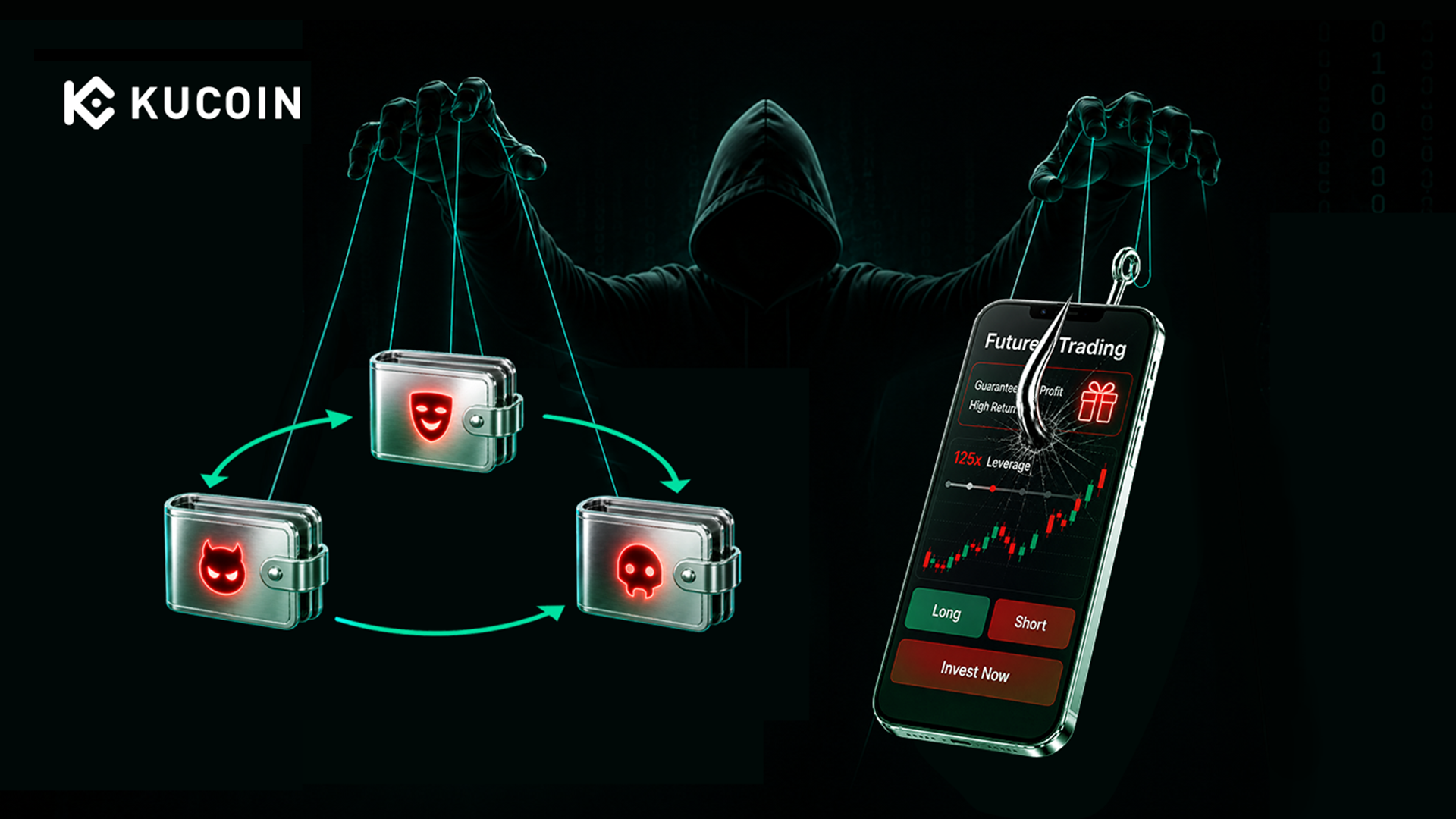
In the cryptocurrency market, risks do not come only from price volatility. They can also stem from market manipulation and carefully designed scams. This guide breaks down two common threats—spot wash trading and futures investment scams—and provides practical strategies to help you identify and avoid them.
Spot Wash Trading: How to Identify and Avoid It
What Is On-Chain Wash Trading?
Wash trading occurs when the same beneficial owner uses one or more related wallet addresses to repeatedly buy and sell the same asset, creating artificial trading volume, market activity, or price momentum while their actual economic exposure changes little.
In DEX environments, creating multiple wallet addresses involves relatively low barriers. When transaction fees are low or trading incentives are offered, the cost of wash trading may also be relatively low.
📌 Typical Cases
|
Case
|
Method
|
Key Takeaway
|
|
LooksRare (2022)
|
“Trade-to-earn” incentives led users to trade assets back and forth to farm rewards, with around 95% of trading volume attributed to wash trading
|
When token incentives are involved, trading volume should be interpreted with caution
|
|
Bitwise Report (2019)
|
At the time, around 95% of reported BTC spot trading volume was suspected to be fake or non-economic
|
Check whether trading volume is consistent with actual order book depth
|
|
Hydrogen Market Manipulation Case (SEC charges filed in 2022)
|
A market maker used automated wash trading to create an artificial appearance of liquidity before selling tokens into the market
|
The SEC brought enforcement action over market manipulation
|
🔍 How to Identify Wash Trading
On-chain data checks (Etherscan / BscScan):
|
Warning Sign
|
What It May Indicate
|
|
Very few token holders but extremely high trading volume
|
A weak genuine user base
|
|
Top 10 addresses hold more than 70% of supply
|
High token concentration and greater manipulation risk
|
|
Many addresses become active around the same time and receive initial gas funds from the same source
|
Potential batch-controlled or related wallets
|
When assessing holder concentration, exclude known burn addresses, liquidity pools, exchange wallets, and other identified contract addresses where appropriate.
Trading patterns:
|
Pattern
|
Description
|
|
Repeated round-trip trades
|
Related addresses repeatedly buy and sell while their net positions remain largely unchanged
|
|
Highly uniform trade sizes
|
Transaction amounts repeatedly appear at similar or identical levels
|
|
Mechanical timing
|
Trades occur at fixed or highly regular intervals
|
|
Limited external inflows
|
Funds mainly circulate within the same closed group of addresses
|
Supporting metric:
24h Trading Volume / Liquidity Pool Depth
If trading volume remains significantly higher than available liquidity while the number of token holders shows little or no growth, this may be a warning sign. Further verification using wallet relationships, funding sources, and trading patterns is still required.
🛡️ How to Protect Yourself
-
Do not use trading volume alone when evaluating a token. Pay attention to the growth of unique token holders.
-
Check whether liquidity is locked. Unlocked LP positions may allow liquidity to be withdrawn at any time.
-
Verify whether the smart contract is open source and whether it includes minting privileges, blacklist functions, or other potentially risky permissions.
-
Be cautious of projects offering “trade mining” or volume-based rewards.
-
Exercise extra caution with small-cap tokens, as shallow liquidity can make them easier to manipulate.
Futures Investment Scams: Beware of Carefully Constructed Illusions
📌 Typical Cases
|
Case
|
Method
|
How to Identify the Risk
|
|
Squid Game Token (2021)
|
The token contract restricted selling while allowing purchases. The project team later withdrew liquidity and disappeared with around $3.3 million
|
Test both buying and selling with a small amount; use tools such as Token Sniffer to check for honeypot characteristics
|
|
JPEX (Hong Kong, 2023)
|
Claimed to be licensed, promoted returns of around 20%, and later raised withdrawal fees to 999 USDT while restricting access to user funds. The case involved approximately HKD 1.6 billion
|
Verify licensing information directly through the relevant regulator’s official website
|
|
Pig Butchering Investment Scam
|
Scammers build trust through social or dating platforms → direct victims to a fake investment platform → allow small withdrawals to build confidence → block larger withdrawals and demand additional “taxes,” “margin,” or other payments
|
If a platform asks you to transfer additional funds as a “margin deposit,” “unfreezing fee,” or “tax” before allowing withdrawals, treat it as a major scam warning sign
|
|
High-Leverage Risk
|
Insufficient liquidity and clustered liquidations can amplify market movements and trigger cascading liquidations
|
At 20x leverage, an adverse move of only several percent can result in substantial losses or even liquidation. The actual liquidation price depends on factors such as maintenance margin requirements and margin mode
|
🧠 Common Scam Pitches
|
Pitch
|
What It Really Means
|
|
“Guaranteed principal and returns” / “Guaranteed profits”
|
Futures trading cannot guarantee principal or profits. Such promises are a major warning sign
|
|
“Insider information” / “Expert trading signals”
|
Be cautious of unverified individuals who promise returns or direct you to specific platforms
|
|
“Limited-time high yield — 30% APR”
|
Unusually high or guaranteed returns should be treated as a major risk signal
|
|
“Licensed in Country X”
|
Always verify licensing claims through the regulator’s official website
|
|
“Pay a margin deposit before withdrawing”
|
Requests for additional payments before withdrawals are a common scam tactic
|
|
“Claim this airdrop — connect your wallet”
|
Connecting a wallet may be followed by malicious transaction or approval requests. Always verify what you are signing
|
🔐 Essential Wallet Security Practices
Unnecessary or unlimited token approvals are a common wallet security risk. Unlimited approvals can significantly increase potential losses if the approved contract or spender is malicious or compromised.
|
Protective Measure
|
What to Do
|
|
Regularly review and revoke approvals
|
Use tools such as Revoke.cash
|
|
Reject unfamiliar signing requests
|
Pay particular attention to Permit and setApprovalForAll requests
|
|
Separate wallets by purpose
|
Keep large holdings in a hardware wallet and separate them from wallets used for frequent interactions
|
|
Access DApps only through official channels
|
Be cautious of phishing websites promoted through search engine ads
|
|
Use transaction simulation tools
|
Tools such as Rabby and Pocket Universe can help identify suspicious transactions before signing
|
💎 Core Principles
The more certain a promised return sounds, the more cautious you should be.
Data can be manipulated, but on-chain relationships are harder to hide.
Verify before you commit. Use the smallest practical amount to test the full process—from buying and holding to selling and withdrawing. However, a successful small transaction or withdrawal does not prove that a platform or token is safe. Always verify the platform, smart contract permissions, and on-chain activity independently.
Separate and isolate risk. Use different wallets for assets with different risk levels.
Disclaimer: The information on this page may come from third parties and does not necessarily reflect KuCoin’s views. It is provided for general reference only and should not be interpreted as financial or investment advice.
Virtual asset investments may involve risk. Please carefully assess the product risks and your own risk tolerance. For more information, please refer to our Terms of Use and Risk Disclosure.