
First They Earn Your Trust, Then Take Your Money
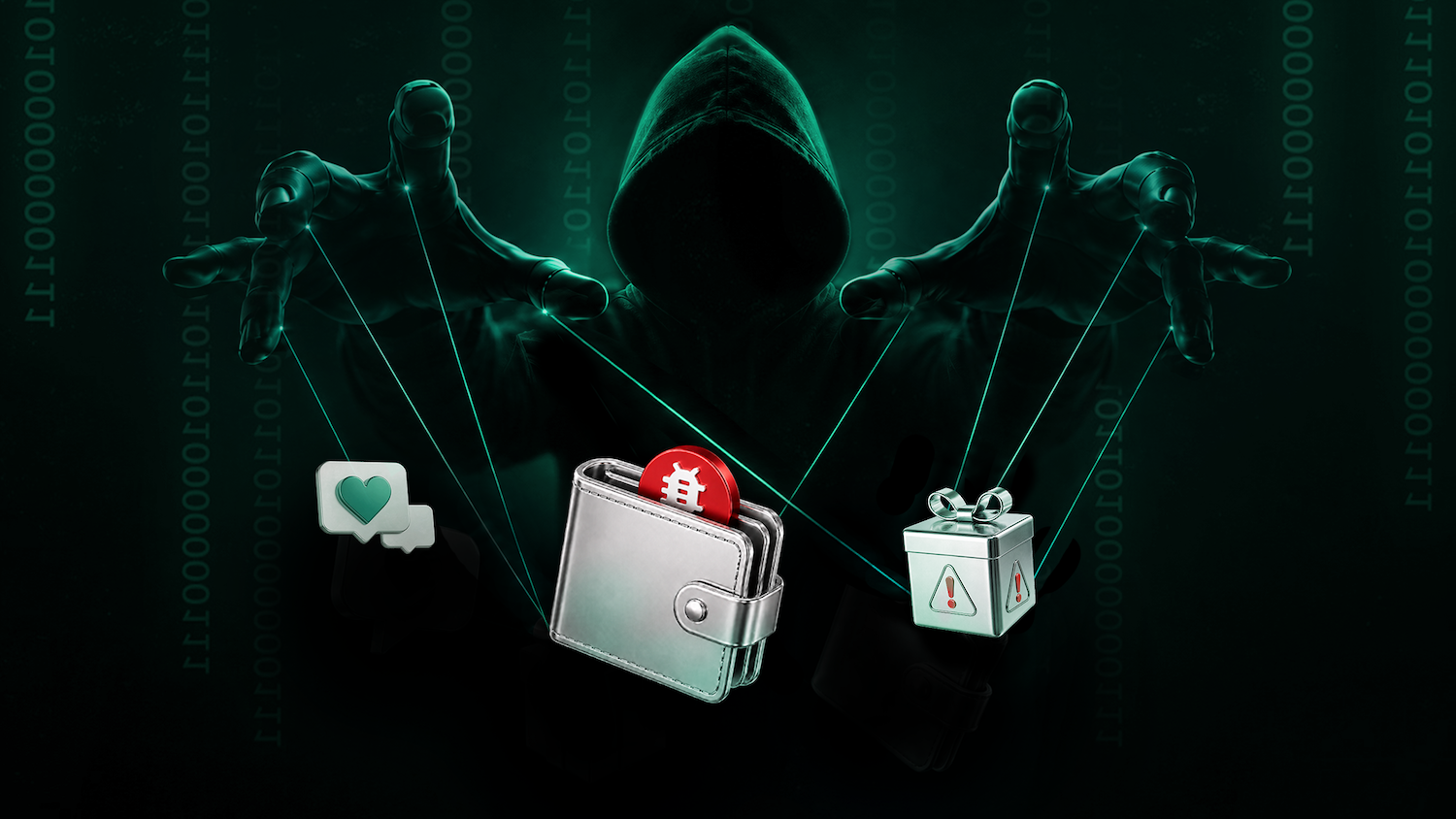
Recognizing the Structure Behind the Scam
Many people think scams are always aggressive — asking for money right away. But the scams that cause the biggest losses often work differently. The other person may spend one or two weeks chatting with you, asking about your life, talking about the future, or gradually getting closer under the pretext of “helping you make money” or “asking for a small favor.” Once you fully trust them, they start guiding you, step by step, to put money in. By the time you realize what has happened, the money is already in the scammer’s hands.
As a risk control team, we deal with scams like these almost every day. This article is not meant to scare you. We want to help you see the “skeleton” behind the scam — the story may change, but the underlying structure stays the same. Once you recognize that structure, you are less likely to be misled by new variations.
The Story Changes, but the Structure Stays the Same
These scams may look very different on the surface, but when broken down, they almost always follow the same four steps.
Step 1: Build trust first, without mentioning money
The person may be a “romantic interest,” a “helpful online friend,” an “investment mentor,” or an “experienced member of a group.” For some time, they may show concern for you, share details about their life, and talk about relationships or future plans.
At this stage, they will not ask you for money. Their only goal is to make you trust them, rely on them, and feel uncomfortable questioning them.
Step 2: Introduce an “easy way to make money”
Once you lower your guard, they will naturally introduce an opportunity. The story can take many forms:
-
Completing e-commerce "tasks" or "fake orders" for commissions;
-
Playing games, watching ads, or liking content to earn money;
-
Following a “mentor” into investments, buying crypto, or supposedly “guaranteed” trades.
No matter how it is packaged, the common features are the same: low effort, high returns, and often claims such as “limited access” or “do not share this with others.”
They may even let you earn a small amount first, making you believe the opportunity is real.
Step 3: Direct you to a platform they control and ask you to deposit money
Next, they send you a website or app and ask you to register and deposit funds.
The balances, commissions, and profits shown on the platform are simply numbers the scammer can change at will.
Sometimes they may ask you to buy crypto on a legitimate exchange and then transfer it to an address they provide. Because you are voluntarily completing the transactions yourself, they can be harder to stop.
Step 4: Let you profit first, then take more and more
At first, the amount is small. They may even allow you to successfully withdraw a small amount, making you fully believe the platform is legitimate.
Once you are willing to put in more money, the real extraction begins:
“Your balance is too low. You cannot receive the next task or unlock your earnings. Deposit a little more.”“Congratulations, you received a premium order / double reward. You need to deposit first, or your previous funds will remain locked.”“I can cover part of it for you…” — creating the impression that they are helping you, while pressuring you to add more money.
At this point, you are trapped: to recover the money already deposited, you are told to keep putting in more.
In reality, your losses will only continue to grow.
Remember the pattern: build trust through emotion or benefits → introduce an easy-money opportunity → move you onto a platform they control → repeatedly demand more deposits before you can withdraw.
Whether the story is about romance, tasks, gaming, or investing, if it follows this structure, it is a scam.
Remember These Rules and Give Scammers No Chance
Depositing fiat, buying crypto, and withdrawing funds are all normal and legitimate functions. Scammers exploit the fact that these actions are voluntarily completed by you.
That is why following these rules can be more effective than relying on technical controls alone.
-
Be immediately cautious if anyone privately “teaches” you how to deposit, buy crypto, or withdraw fundsA legitimate employer, platform, or customer support team will not guide you step by step to deposit money into an exchange and then transfer crypto to a specific address.If someone does this, no matter how close your relationship is, it is very likely a scam.
-
“Task commissions” and “pay first to earn” schemes are scamsAny part-time job that requires you to deposit money before completing tasks and promises high commissions is a scam.Legitimate work does not require you to pay first.
-
Do not withdraw USDT to an address provided by a strangerDo not use wallet addresses, QR codes, or registration links provided by strangers.Once crypto is transferred out, the transaction cannot be reversed, and recovering the funds may be extremely difficult.
-
Treat anyone you only know online as suspicious when money becomes involvedThe more caring, considerate, or eager they seem to “help you make money,” the more cautious you should be.The emotional attention they give you may simply be the cost of gaining your trust.
-
“Lucky orders,” “deposit more to withdraw,” and “one more payment to unlock your funds” are warning signsA legitimate platform will not require you to deposit more money simply to withdraw your own funds.Once you hear this, stop immediately and do not send any more money.
What You Should Know About Transfers on KuCoin
You may ask: if the money was deposited and converted into crypto through an exchange, why cannot the exchange stop the scam?
We want to be clear:
-
Your assets are safer while they remain in your exchange account. In these scams, losses usually occur after you voluntarily transfer crypto out of the exchange to an external address controlled by the scammer.
-
KuCoin’s risk controls may issue warnings, apply delays, or block certain high-risk transactions. These measures cannot stop every scam, especially when you have been persuaded to confirm a withdrawal yourself. Once crypto leaves the platform, the transfer is generally irreversible.
-
This is why we continue to remind users about these scams. We can stop suspicious transactions, but we cannot always stop someone who has already been convinced by emotions and lies.
Protecting your assets requires both you and us.
If You Are Already Involved or Have Already Sent Money
Do not blame yourself. These scams are designed to exploit trust, and many intelligent people have fallen victim to them.
Take the following steps immediately:
-
Stop all deposits and transfers. No matter what the other person says about “one more payment” or “unlocking your funds,” do not send any more money.
-
Keep all evidence, including chat records, account details, wallet addresses, transaction records, and the fake platform URL.
-
Contact official exchange customer support immediately. Access support through the official website or app. Do not use any contact information provided by the other person.
-
Report the incident to your local police and keep the report or case reference.
-
Tell a trusted family member or friend. Scammers are most afraid of you checking the situation with someone outside the scam.
Final Thoughts
Scammers are not really selling projects. They are selling a relationship and the illusion of easy money.
The stories may change, but these scams always lead to the same action: getting you to deposit money and transfer your crypto away.
Remember this simple rule:
Anyone who teaches you to deposit money, buy crypto, and then transfer it away should be treated as a scammer.
If you have any doubts or believe you may be experiencing something similar, contact us through official channels as soon as possible.
Speaking up earlier may help reduce your losses.
Disclaimer: The information on this page may come from third parties and does not necessarily reflect KuCoin’s views. It is provided for general reference only and should not be interpreted as financial or investment advice.
Virtual asset investments may involve risk. Please carefully assess the product risks and your own risk tolerance. For more information, please refer to our Terms of Use and Risk Disclosure.