
Common Scam: The "Pixiu" Token – A Trap That Only Takes but Never Gives
Beginner
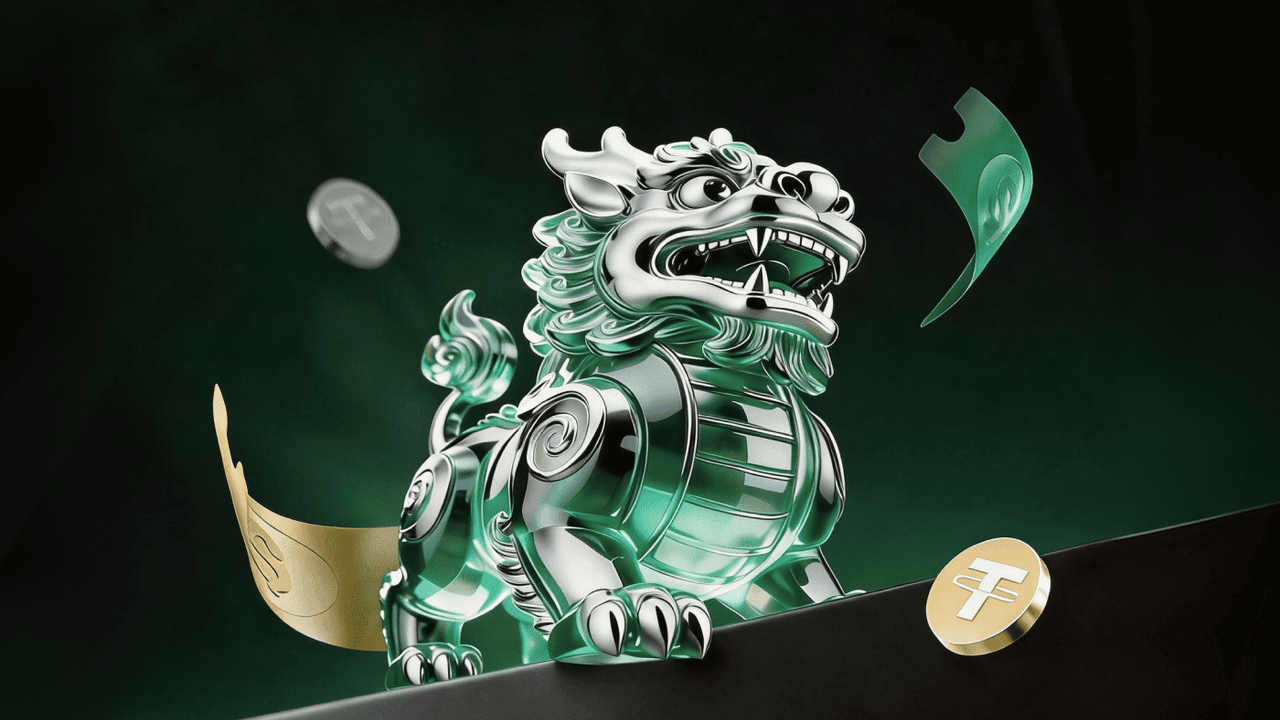
In the world of cryptocurrency, there is a type of token known as the "Pixiu Token" . The name comes from a mythical creature in Chinese folklore, Pixiu, which is said to "only take in, never let out," symbolizing the gathering of wealth. However, in the crypto space, this term represents an extremely malicious form of fraud — investors can buy the token, but can never sell it.
🔍 What is a Pixiu Token?
A Pixiu token is a cryptocurrency scam that operates through a malicious smart contract. The developer implants hidden code into the contract, granting themselves or specific addresses "special privileges" that allow them to prevent ordinary investors from selling the token, or impose exorbitant fees (e.g., 99%) when selling, while the scammers themselves can easily withdraw the tokens or funds from the liquidity pool at any time.
| Feature | Normal Token | Pixiu Token |
| Buying | Normal, can buy anytime | Normal, buying is even encouraged |
| Selling | Normal, can sell anytime | Cannot sell, or must pay extremely high fees |
| Developer Privileges | Usually time-locked or multi-sig restricted | Has special privileges like "blacklist," "pause trading" |
| Liquidity Pool | Locked or properly managed | May be unlocked; developer can remove liquidity anytime |
🎭 Common Techniques and Operating Modes of Pixiu Tokens
Understanding how Pixiu tokens operate is key to identifying and preventing them:
| Scam Type | Mechanism | Common Victim Scenario |
| 1. Blacklist Mechanism | The contract has a built-in "blacklist" feature, allowing the developer to add any address to the blacklist. Once blacklisted, that address cannot sell or transfer tokens. | Investors buy the token as the price appears to rise. When they try to sell to take profits, transactions keep failing, and they eventually discover they've been added to the blacklist. |
| 2. Extremely High Sell Fees | The contract imposes exorbitant sell fees (e.g., 90%, 99%) on regular addresses, while the developer's address can trade normally. | Investors see the token's price skyrocket. When they attempt to sell, they find they can only retrieve a tiny fraction of their funds, with the vast majority deducted as fees. |
| 3. Un-Sellable Logic | The developer implants malicious code in the contract's transfer or transferFrom functions, causing any transfer or sell attempt from non-whitelisted addresses to fail permanently. | Investors initiate a sell transaction. The transaction is confirmed on-chain, but the tokens never leave their wallet — the transaction was blocked by the contract logic. |
| 4. Liquidity Removal | The developer never locks the liquidity pool. After accumulating enough invested funds, they simply remove all funds from the liquidity pool, causing the token price to crash to zero. | After buying the token, investors suddenly see the price drop by over 99% as the liquidity pool is drained and funds disappear. |
🔍 Pixiu Token Scam Cases
Fake MetaMask Token Incident (2021)
A "fake MetaMask governance token" appeared on the market. It even obtained a forged verification badge (blue checkmark) on a trading platform. Early trading appeared normal, with substantial transaction volume.
🔑 The Key Scam Mechanism:
After the trading volume reached $1 million, the contract was triggered into "Pixiu mode" — users could only buy, but could never sell.
📊 Final Outcome:
-
Total trading volume approached $10 million
-
Hundreds of investors had their funds locked and trapped
"Fuck BNB Token" Incident (2022)
A hacker launched this token after attacking a certain protocol. Security firms directly flagged it as a suspected Pixiu token.
👉 Characteristics:
-
Exploited a trending news event to attract attention and traffic
-
Rapid price pump followed by immediate fund lock-up
🛡️ Practical Strategies to Prevent Pixiu Tokens
Establish a "must-check-before-buying" safety routine to avoid traps at the source:
Strategy One: Use Security Detection Tools
-
Token Detection Tools: Use third-party security tools (e.g., GoPlus, Honeypot Detector, Token Sniffer) to scan for contract risks. These tools automatically detect common Pixiu token characteristics.
-
Wallet Security Alerts: Use wallets with security alert features (e.g., Rabby Wallet, some Trust Wallet features) that warn of potential risks before signing transactions.
Strategy Two: Enforce "Buy and Sell Both Tests"
-
Test Before Buying: Before committing a significant amount, use a very small amount (e.g., 0.01 BNB/ETH worth) to perform a complete buy and sell test.
-
Test Timing: Perform multiple tests at different times to confirm sell functionality remains normal.
-
Fee Check: Record the actual buy and sell fees to confirm the sell fee is within a reasonable range (generally should be below 5-10%).
Strategy Three: Check Liquidity Lock
-
Confirm Lock Status: Use liquidity lock platforms to check whether the token's liquidity pool has been locked.
-
Lock Duration: Longer lock periods are safer (at least 6 months is reasonable). Tokens with very short locks or no lock should be avoided entirely.
Strategy Four: Be Cautious with "Meme Coins" and "Shitcoins"
-
High Risk Awareness: Meme coins and shitcoins are inherently high risk, and Pixiu tokens are especially common among them.
-
Background Investigation: Research whether the project team is doxxed (publicly identified) and whether they have successful past projects. Anonymous teams carry significantly higher risk.
🚨 If You Accidentally Buy a Pixiu Token
If you discover that the token you bought cannot be sold, take the following actions immediately:
| Situation | Emergency Response Steps |
| Just Discovered Cannot Sell, Funds Still in Wallet | 1.Stop Buying More: Absolutely do not invest more funds trying to "average down." 2. Try Increasing Slippage: On the DEX, try increasing slippage to 15-20%. Sometimes developers set an extremely high slippage requirement rather than a complete block. 3. Abandon the Token: If still unable to sell, accept the loss and stop wasting gas fees on repeated attempts. |
| Funds Have Been Taken or Token Crashed to Zero | 1.Preserve All Evidence: Record the token contract address, transaction hashes (TxID), purchase records, and chat screenshots. 2. Revoke Wallet Approvals: Immediately revoke any token approvals linked to your wallet to prevent subsequent "phishing approval" risks. 3. Warn the Community: Post alerts on Twitter, forums, etc., including the contract address and your experience, to help others avoid falling victim. 4. Report to Blockchain Security Platforms: Submit the contract address to platforms like GoPlus, Token Sniffer, etc., to help update their blacklist databases. |
💎 Conclusion: Greed is the Gateway to Traps; Caution is the Door to Safety
Pixiu tokens often succeed by exploiting investors' FOMO (fear of missing out) and greed. A new token with explosive price gains and high community hype may very well hide a "only take, never give" trap.
Remember this core principle:
"Being able to buy doesn't mean you can sell. Being able to sell is what makes it an asset."
Before investing any funds, be sure to complete the "buy and sell both test" — this is the most direct and effective way to identify Pixiu tokens. A simple test could save you thousands or even tens of thousands of dollars in losses.
Disclaimer: The information on this page may come from third parties and does not necessarily reflect KuCoin’s views. It is provided for general reference only and should not be interpreted as financial or investment advice.
Virtual asset investments may involve risk. Please carefully assess the product risks and your own risk tolerance. For more information, please refer to our Terms of Use and Risk Disclosure.