
What is Shorting in crypto?
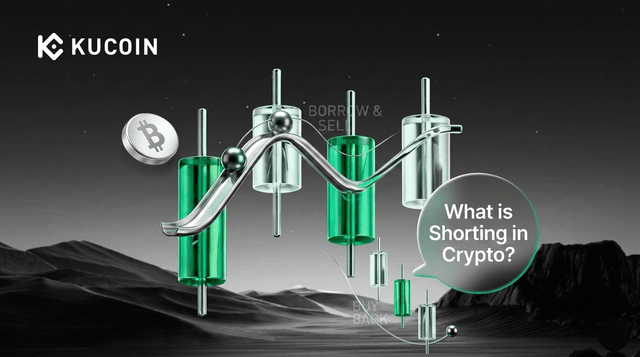
In the traditional "buy low, sell high" model, investors thrive during bull markets. However, the cryptocurrency market is known for its volatility and periodic "bear" phases where prices can drop significantly. For many, this is a time to wait on the sidelines, but for savvy traders, it’s an opportunity. Shorting is a powerful trading strategy that allows you to remain profitable even when the market is trending downward. By betting against an asset, you can turn a price dip into financial gain.
Key Takeaways
-
Shorting (or short selling) is a strategy used to profit from a decline in an asset's price.
-
You borrow an asset, sell it at the current price, and buy it back later at a lower price to return it to the lender.
-
Shorting carries "unlimited" risk because there is no cap on how high a crypto asset's price can go.
-
Shorting is typically done via Margin Trading, Futures, or Options on crypto exchanges.
Understanding the Concept of Shorting
In a traditional trade (going "long"), you buy Bitcoin at $40,000 hoping it goes to $50,000. In a "short" trade, you do the exact opposite. You bet that the price will drop.
To short crypto, you essentially follow a three-step process:
-
You borrow the cryptocurrency (e.g., 1 BTC) from an exchange.
-
You immediately sell that borrowed BTC at the current market price (e.g., $40,000).
-
If the price drops to $35,000, you buy 1 BTC back. You return the 1 BTC to the lender and pocket the $5,000 difference (minus fees).
How to Short Crypto: Common Methods
There are several ways to execute a short position on a professional exchange:
-
Margin Trading
This is the most direct way to short. The exchange lends you the funds to sell "on margin." You provide collateral (usually USDT or BTC), borrow the asset you think will drop, and sell it.
-
Futures Contracts
Crypto futures allow traders to enter a contract to buy or sell an asset at a specific price on a future date. By entering a "Short Futures" position, you are committing to sell at the current price, regardless of how low the market goes.
The Risks of Shorting
While the rewards can be high during a bear market, shorting is inherently riskier than going long:
-
Liquidation: If you short BTC at $40,000 but the price spikes to $45,000, the exchange may close your position automatically to cover the debt, resulting in a total loss of your collateral.
-
Short Squeezes: This happens when a heavily shorted asset suddenly jumps in price. Short sellers are forced to buy back their positions to exit, which pushes the price even higher, causing a "squeeze."
Summary
Shorting is a powerful tool in a trader's arsenal, allowing for profitability in both bull and bear markets. By borrowing an asset to sell high and buy back low, you can hedge your portfolio against volatility. However, due to the high risk of liquidation and the complexity of margin fees, it is a strategy best suited for those with a solid grasp of technical analysis and risk management.
FAQs
Is shorting crypto legal?
Yes, shorting is a legal and standard trading practice on most global cryptocurrency exchanges.
What is the "Funding Rate" in shorting?
In perpetual futures, the funding rate is a small fee paid between long and short traders. If most people are shorting, "shorts" may have to pay "longs" a fee every 8 hours to keep their positions open.
Can I lose more than my initial investment?
On most modern exchanges with "Isolated Margin," your losses are limited to the collateral you put up for that specific trade. However, in "Cross Margin" modes, your entire account balance could be at risk.
What is a "Short Cover"?
Short covering refers to buying back the asset you borrowed to close out your short position and realize your profit (or loss)
Further Reading:


