
What is Rug Pull in crypto?
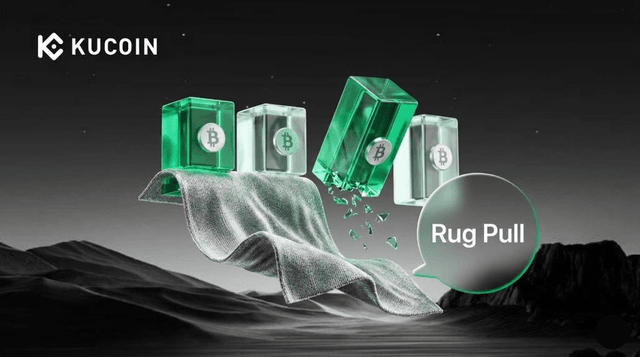
The world of decentralized finance (DeFi) offers incredible opportunities for innovation and wealth generation, but it also carries significant risks due to its permissionless nature. As developers worldwide launch new projects daily, investors must learn to navigate both legitimate breakthroughs and sophisticated financial scams. The most notorious fraudulent tactic in the Web3 space is the "rug pull." This educational guide explores what a rug pull is, how it works technically, and how to protect your crypto portfolio.
Key Takeaways
-
A rug pull is a malicious cryptocurrency scam where project developers abruptly drain liquidity pools or abandon a project, leaving investors with worthless tokens.
-
Hard rug pulls involve malicious code exploits like hidden mint functions, whereas soft rug pulls rely on social engineering and sudden developer token dumping.
-
Automated Market Maker (AMM) decentralized exchanges are prime environments for rug pulls because token listing requires zero regulatory compliance or corporate vetting.
-
Investors can spot potential rug pulls by analyzing token smart contract code audits, liquidity lock durations, and wallet concentration metrics on-chain.
Defining the Rug Pull Concept in Crypto
A rug pull is a malicious social engineering and technical scam where cryptocurrency developers deliberately attract investor capital to a new token project, only to abruptly drain the marketplace liquidity or dump their holdings, rendering the token completely worthless. The phrase comes from the expression "pulling the rug out from under someone," reflecting how suddenly victims lose their investment.
Rug pulls primarily occur within the decentralized finance (DeFi) ecosystem. Because decentralized exchanges (DEXs) allow anyone to create and list a new token without undergoing formal compliance checks or identity verification, bad actors use these permissionless pools as hunting grounds.
How Does a Rug Pull Work?
To understand how a rug pull unfolds, one must understand how decentralized liquidity pools operate. Unlike traditional order book exchanges, a DEX relies on automated smart contracts holding pairs of tokens (such as a new token, "XYZ," paired against a stablecoin like USDT).
The lifecycle of a typical rug pull scheme generally follows a structured, calculated sequence:
-
Token Creation and Marketing: The scammers deploy a simple smart contract to create a new token. They build massive social media hype on platforms like X, Telegram, and Discord, often fabricating partnerships or promising unrealistic staking yields.
-
Liquidity Injection: The developers create a trading pool on a DEX, depositing a small amount of legitimate cryptocurrency (like ETH or USDT) alongside their newly minted worthless tokens to establish an initial trading price.
-
The Investor Influx: Attracted by the marketing hype and skyrocketing price charts, retail investors rush to buy the new token, depositing their own ETH or USDT into the liquidity pool.
-
The Pull: Once the liquidity pool swells with valuable assets, the developers execute the scam, leaving investors holding an un-tradeable token.
The Primary Types of Rug Pulls
Rug pulls generally fall into three distinct operational categories, ranging from direct smart contract backdoors to gradual market manipulation.
Liquidity Stealing (The Classic Rug Pull)
This is the most common form of a rug pull. When investors purchase a token on a DEX, the pool accumulates valuable assets (like USDT). If the developers did not lock the liquidity pool ownership keys, they can trigger an automated function to withdraw all the valuable collateral instantly. The trading pool is left completely empty, making it impossible for retail investors to sell their tokens back to the market.
Malicious Smart Contract Code (The Hard Rug Pull)
In this scenario, developers hide malicious loopholes inside the token's smart contract code before deployment. A common method is the Honeypot, where code parameters allow users to buy the token but restrict them from ever selling it. Another method is a hidden Mint Function, allowing developers to secretly create billions of new tokens out of thin air and dump them onto the open market, crashing the price to absolute zero.
Dump and Abandon (The Soft Rug Pull)
A soft rug pull relies on marketing deception rather than code manipulation. The developers accumulate a massive percentage of the initial token supply for themselves. Once hype drives the token price to a peak, the founders quietly dump all their personal tokens onto the market, pocketing investor capital and permanently abandoning the project roadmap.
Centralized Vetting vs. Decentralized Risk
Understanding where you execute your trades drastically changes your overall exposure to fraudulent project behavior.
| Risk Metric | Decentralized Exchanges (DEX Ecosystem) | Centralized Exchanges (CEX Vetting) |
| Listing Process | Fully permissionless; zero code auditing required. | Rigorous compliance review and project vetting. |
| Liquidity Protections | Vulnerable if liquidity keys are unlocked. | Controlled institutional liquidity pools. |
| Founder Accountability | Developers remain completely anonymous. | Mandatory corporate and project review. |
| Consumer Recourse | None; smart contracts execute permanently. | Active risk monitoring and account freezing. |
Crucial Red Flags: How to Spot a Rug Pull
Because blockchain ledgers are completely transparent, smart investors can identify and avoid rug pulls by performing thorough on-chain due diligence:
-
Unlocked Liquidity: Check if the project’s liquidity pool tokens are locked in a public time-release smart contract. If liquidity is unlocked, the developers can drain the pool at any second.
-
Highly Concentrated Token Distribution: Utilize blockchain explorers to check the top holder addresses. If a handful of anonymous wallets hold more than 10% to 20% of the circulating supply, the risk of a massive token dump is exceptionally high.
-
The Absence of a Third-Party Audit: Reputable Web3 projects submit their smart contract code to professional cybersecurity firms (like CertiK) for comprehensive audits. A lack of an independent audit is a major red flag.
Conclusion
Rug pulls are a harsh reality of the permissionless Web3 frontier, capitalizing on investor hype and hidden smart contract vulnerabilities to steal capital. While the autonomy of decentralized finance allows for rapid experimentation, it shifts the entire burden of technical due diligence onto the individual user. By learning to identify key on-chain red flags—such as unlocked liquidity pools, un-audited codebases, and anonymous token concentration—you can protect your digital wealth from malicious actors.
FAQs
Can a rug pull happen on a centralized exchange?
It is extremely rare. Centralized platforms require projects to pass strict technical audits, liquidity reserves verification, and regulatory compliance screening before listing, effectively filtering out malicious code backdoors or sudden liquidity drains.
What is a "honeypot" in crypto scams?
A honeypot is a malicious smart contract setup that allows investors to purchase a token but uses hidden code parameters to block them from selling it, effectively trapping their capital inside the project permanently.
If I fall victim to a rug pull, can I reverse the transaction?
No. Blockchain networks operate on absolute immutability. Once a developer drains a liquidity pool or dumps tokens on-chain, the transactions are permanent and cannot be reversed by any wallet provider, developer, or platform support team.
How do I verify if a project’s liquidity is safely locked?
You can verify liquidity status by tracking the project's contract address on public blockchain explorers or utilizing decentralized analytics platforms that explicitly display lock certificate data, unlock schedules, and burn transaction histories.
Further Reading:
What Is a Crypto Rug Pull, and How to Avoid the Scam? - KuCoin Learn
What Is a Crypto Rug Pull, and How to Avoid the Scam? - KuCoin Learn


