
What is Multi-Sig in crypto?
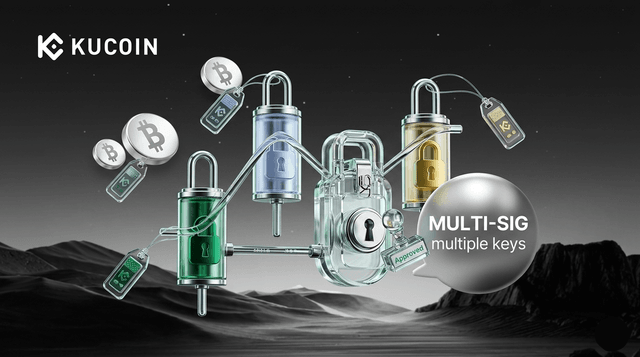
In the decentralized world of cryptocurrency, individual ownership and security are traditionally governed by a single private key. While this single-signature model offers simplicity, it introduces a dangerous single point of failure: if that single key is compromised by malware, leaked via a phishing scam, or accidentally lost, the underlying digital assets are gone forever. To eliminate this critical vulnerability, the blockchain industry relies on an advanced cryptographic framework known as Multi-Signature, or Multi-Sig.
Key Takeaways
-
Multi-Sig technology requires multiple independent private keys to authorize and execute a single blockchain transaction, eliminating single points of failure.
-
These wallets operate on an M-of-N consensus model, meaning a specific threshold of keys must sign a transaction before settlement.
-
Multi-Sig significantly enhances security against corporate insider threats, physical device theft, remote hacking attempts, and accidental private key loss.
-
Setting up a Multi-Sig framework introduces increased operational complexity, higher blockchain gas fees, and slower transaction execution speeds.
Defining the Multi-Sig Concept in Crypto
Multi-signature (Multi-Sig) is a cryptographic configuration that requires two or more private keys to approve and execute a transaction on a blockchain network. In a standard single-signature wallet, one key controls the entire address, functioning like a traditional physical key to a house.
Multi-Sig functions more like a bank vault that requires multiple distinct keys held by different executives to turn simultaneously before the door can open. When you manage assets or interact with advanced financial networks via the Exchange, Multi-Sig principles work silently behind the scenes to secure the platform's multi-billion dollar liquidity pools.
How Does a Multi-Sig Wallet Work?
The operational core of a Multi-Sig wallet revolves around a highly customizable mathematical rule known as the M-of-N threshold model. When configuring a Multi-Sig setup, developers or users define two critical parameters:
-
N (Total Keys): The absolute number of unique private keys generated within the wallet's cryptographic group.
-
M (Required Threshold): The minimum number of key signatures required to successfully broadcast and authorize an outbound transaction.
Common Multi-Sig Configurations
-
2-of-3 Setup: A company generates three keys. Two keys are given to distinct founders, while the third key is kept in an offline safety deposit box as an emergency backup. Any business payment requires both founders to sign, ensuring absolute accountability.
-
2-of-2 Setup: A retail user keeps one key on their desktop computer and a second key on their smartphone. If a hacker breaks into the desktop computer, they still cannot steal the user's funds because they lack the physical smartphone key required to provide the second signature.
Comparing Single-Sig and Multi-Sig Wallets
Understanding the structural trade-offs between traditional single-key storage and multi-signature frameworks is crucial for designing a balanced asset defense strategy.
| Structural Metric | Single-Signature Wallet (Single-Sig) | Multi-Signature Wallet (Multi-Sig) |
| Key Accountability | One private key holds absolute control. | Divided among multiple distinct private keys. |
| Single Point of Failure | Highly vulnerable; one leak drains all funds. | Mitigated; losing or leaking one key does not lose assets. |
| Transaction Velocity | Fast; requires a single digital signature. | Slower; requires manual key coordination. |
| Network Gas Costs | Standard baseline blockchain fee. | Higher; processing multiple signatures consumes more gas. |
| Primary Use Case | Daily retail spot trading and dApp interaction. | Corporate treasuries, DAOs, and institutional custody. |
The Primary Security Benefits of Multi-Sig
Implementing a multi-signature framework provides unparalleled structural defense mechanism layers that protect digital portfolios from various threat vectors.
Eliminating Remote Hacking Threats
If a malicious actor targets your computer with a sophisticated malware strain or an unvetted Trojan horse link, they can easily extract any single private key file stored on that specific operating system. In a Multi-Sig structure, knowing that isolated key does the hacker no good, as they are completely blocked from moving capital without breaching your secondary, physically separate devices.
Shielding Protocols from Internal Corporate Fraud
In institutional finance, allowing a single employee to control massive corporate treasuries introduces severe operational risks. Multi-Sig eliminates internal fraud by requiring key executives or decentralized autonomous organization (DAO) committee members to vote and co-sign every single corporate deployment on-chain.
Creating a Safety Net for Lost Keys
If a single-signature user permanently misplaces their written recovery backup, their assets are lost forever on the blockchain ledger. In a 2-of-3 Multi-Sig setup, if you lose one key, you can seamlessly use the remaining two keys to safely migrate all funds to a brand-new, secure address architecture.
Conclusion
Multi-signature technology is one of the most critical structural innovations in blockchain security, successfully transforming vulnerable, single-key endpoints into highly resilient, threshold-governed networks. By distributing authorization access across multiple separate private keys, Multi-Sig provides a robust safety net against digital theft, internal fraud, and devastating human errors. While it demands an upfront sacrifice in transactional speed, it remains the gold standard for safeguarding substantial capital assets.
FAQs
Can a transaction execute if I miss the Multi-Sig threshold?
No. If a Multi-Sig wallet requires a 3-of-5 threshold and you only collect two digital signatures, the underlying blockchain protocol automatically rejects the transaction as mathematically invalid.
What is the difference between Multi-Sig and Shamir's Secret Sharing?
Multi-Sig creates distinct, independent keys that sign transactions on-chain. Shamir's Secret Sharing takes a single private key and splits it mathematically into multiple offline fragments that must be combined to reconstruct the original key.
Are Multi-Sig transactions more expensive on the blockchain?
Yes. Because a Multi-Sig transaction includes multiple cryptographic signatures and interacts with advanced smart contract logic, it consumes significantly more network computational data, resulting in higher gas fees than standard transfers.
What happens if a majority of Multi-Sig keyholders lose their keys?
If you lose enough keys to drop below the required threshold (e.g., losing two keys in a 2-of-3 setup), the remaining keys cannot authorize movements, rendering the wallet's funds permanently locked.
Further Reading:


