
What is Interoperability in crypto?
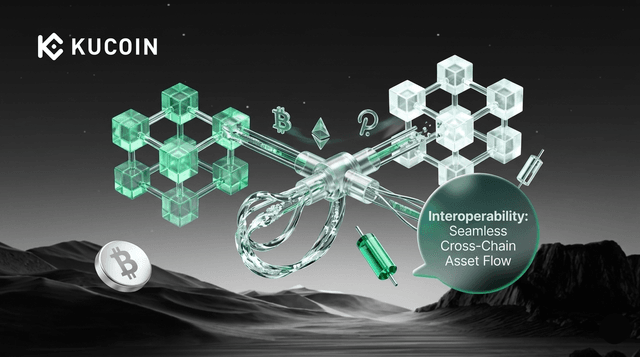
In the early days of cryptocurrency, blockchains operated as completely isolated digital islands. A token or smart contract built on Bitcoin could not natively communicate, share data, or execute transactions with Ethereum or Solana. As the Web3 ecosystem expands, this lack of communication creates fragmented liquidity and a clunky user experience. To build a unified digital economy, the industry has turned its focus to a critical technical milestone: blockchain interoperability.
Key Takeaways
-
Blockchain interoperability is the capacity for distinct decentralized networks to seamlessly share data, transfer value, and communicate without intermediaries.
-
Cross-chain bridging protocols use burn-and-mint or lock-and-mint mechanisms to transfer asset values across completely independent Layer 1 architectures.
-
Interoperability breaks down isolated liquidity pools across ecosystems, creating a unified and capital-efficient decentralized finance marketplace.
-
Cross-chain communications introduce specific security risks, making the protection of bridge smart contracts a top priority for developers.
Defining Blockchain Interoperability
Blockchain interoperability refers to the ability of different blockchain networks to exchange data and value seamlessly, allowing diverse protocols to read and write to one another's ledgers. In a fully interoperable ecosystem, an application on one blockchain can utilize services, liquidity, or smart contracts located on an entirely separate network.
When trading on a multi-chain platform or using the cross-chain settlement networks integrated into the Exchange, interoperability ensures that your digital assets are not permanently locked within a single network's ecosystem.
Why Interoperability Is Essential for Web3
The current Web3 space features dozens of prominent Layer 1 and Layer 2 platforms, each possessing unique speeds, fee structures, and programming frameworks. Without interoperability, the industry suffers from three major flaws:
-
Fragmented Liquidity: Capital gets trapped inside individual ecosystems, lowering capital efficiency and increasing slippage for decentralized application users.
-
Poor User Experience: Users are forced to navigate multiple complex browser wallets, native networks, and conversion steps just to interact with diverse dApps.
-
Siloed Development: Developers cannot leverage the specific advantages of different chains—such as combining the security of Bitcoin with the fast execution of Solana.
How Blockchain Interoperability Works
To achieve cross-chain communication without a centralized mediator, developers rely on specialized cryptographic frameworks. These technologies generally fall into three operational categories:
Cross-Chain Bridges
Bridges are the most common infrastructure for moving value. They typically use a Lock-and-Mint mechanism. When you send a token from Chain A to Chain B, the bridge locks the asset in a secure smart contract on Chain A and mints an equivalent "wrapped" version on Chain B. If you reverse the process, the wrapped token is burned, and the original asset on Chain A is unlocked.
Arbitrary Messaging Protocols (AMPs)
Advanced cross-chain frameworks do more than move wrapped tokens; they allow chains to send raw data packets. This means a smart contract on Ethereum can trigger an action or verify user identity data on a completely separate network like Avalanche or the KuCoin Community Chain (KCC), creating true cross-chain compatibility.
Native Interoperability Hubs
Some blockchain ecosystems are built from scratch with native cross-chain capabilities. Frameworks like Cosmos and Polkadot utilize a central relay hub that connects specialized application chains (appchains or parachains), letting them talk to each other natively without relying on risky third-party external bridges.
Comparing Interoperability Frameworks
Different approaches to cross-chain communication offer varying trade-offs between speed, security, and flexibility.
| Interoperability Method | Operational Approach | Core Benefit | Main Security Trade-off |
| External Bridges | Lock-and-mint smart contracts. | High flexibility; works across any existing L1 network. | Vulnerable to smart contract hacks and exploits. |
| Native Hubs | Shared security relay architecture. | Extremely secure; native ecosystem communication. | Limited to chains built within that specific hub ecosystem. |
| Messaging Networks | Cryptographic data relays. | Allows complex multi-chain smart contract calls. | Relies on the security of the relay validator set. |
The Security Challenges of Going Cross-Chain
While interoperability is crucial for growth, it represents one of the most complex security frontiers in crypto. Centralized and decentralized bridges hold billions of dollars in locked collateral, making them prime targets for malicious actors.
If a hacker exposes a vulnerability in a bridge's smart contract on Chain A, they can drain the collateral, rendering the wrapped tokens on Chain B completely worthless. This reality underscores the need for rigorous code audits and decentralized validation models in cross-chain engineering.
Conclusion
Interoperability is the bridge that turns isolated blockchains into a coherent, global Web3 network. By allowing data and assets to flow freely across Layer 1 and Layer 2 infrastructures, interoperability maximizes capital efficiency and paves the way for mainstream user adoption. As developers continue to harden cross-chain security, the boundaries between independent networks will fade into the background. To participate in this interconnected financial future, you can access, deposit, and trade assets across multiple blockchain networks today on the KuCoin Spot Market.
FAQs
What is a wrapped token in cross-chain interoperability?
A wrapped token is a digital asset asset minted on one blockchain that represents an equivalent asset locked on another chain, allowing its value to be utilized across different network ecosystems.
Why are blockchain bridges frequently targeted by hackers?
Bridges act as central repositories holding massive amounts of locked asset collateral. Any vulnerability or oversight in their smart contract code presents a highly lucrative opportunity for malicious exploits.
What is the difference between multi-chain and cross-chain?
Multi-chain refers to a decentralized application deploying separate versions of its protocol across multiple individual networks, while cross-chain means different blockchains directly communicating and exchanging data with one another.
Can smart contracts execute actions across different blockchains?
Yes, using advanced arbitrary messaging protocols like Chainlink CCIP or LayerZero, a smart contract on one blockchain can trigger functions and execute data logic on completely separate blockchain architectures.
Further Reading:


