
What is AML in crypto?
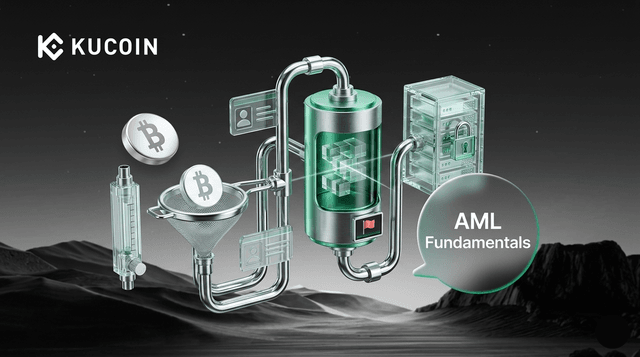
As decentralized networks integrate with global financial infrastructures, regulatory frameworks are evolving to prevent bad actors from exploiting the blockchain. At the core of these defensive measures is a regulatory protocol known as Anti-Money Laundering, or AML. Understanding AML is crucial for any investor navigating the modern, regulated Web3 landscape.
Key Takeaways
-
Anti-Money Laundering (AML) refers to legal frameworks and technical procedures designed to prevent bad actors from disguising illicitly obtained funds as legal wealth.
-
In crypto, AML functions by integrating traditional identity checks (KYC) with advanced on-chain block analysis tools to trace dirty transaction trails.
-
Global compliance with AML protocols prevents money laundering, thwarts terrorist financing, and blocks ransomware groups from using exchanges as cash-out gates.
-
Automated blockchain analytics software monitors public ledgers in real-time, instantly flagging unusual transaction patterns, mixing behavior, or sanctioned addresses.
Defining Anti-Money Laundering (AML) in Crypto
Anti-Money Laundering (AML) refers to a broad set of international laws, regulations, and institutional procedures designed to block criminal entities from processing illegally obtained funds through legitimate financial systems. While money laundering historically involved cash and traditional banks, the rise of digital assets pushed global regulators, like the Financial Action Task Force (FATF), to enforce strict AML rules across the cryptocurrency industry.
In cryptocurrency, AML regulations apply directly to Virtual Asset Service Providers (VASPs), which include centralized exchanges and custodial platforms.
How AML Compliance Operates on Blockchains
A common misconception is that blockchains are entirely anonymous, making them ideal tools for money laundering. In reality, public block ledgers are completely transparent and traceable. AML protocols leverage this permanent visibility by combining three core operational pillars:
Know Your Customer (KYC) Integration
KYC is the initial step of any robust AML strategy. By requiring users to submit government-issued identification and biometric scans, the exchange securely links a real-world legal identity to an on-chain account. This identity verification stops bad actors from setting up anonymous shell profiles to wash illicit wealth.
Real-Time On-Chain Transaction Monitoring
AML compliance utilizes sophisticated blockchain analytics software to monitor transaction flows continuously. These automated tools scan incoming and outgoing deposits for connections to known high-risk entities, such as darknet marketplaces, crypto mixers, decentralized protocols that have suffered exploits, or wallet addresses associated with international sanctions.
Suspicious Activity Reporting (SAR)
If an account exhibits highly unusual behavior—such as depositing millions in small, rapid intervals from different addresses and instantly trying to withdraw it—the exchange's internal compliance algorithms flag the movement. Compliance teams then review the file and file a Suspicious Activity Report with relevant financial intelligence units if necessary.
CEX AML Controls vs. DEX Ecosystem Dynamics
Centralized exchanges act as vital defensive gates, keeping the broader crypto ecosystem clean, whereas fully decentralized protocols present different compliance environments.
| Metric | Centralized Exchange (CEX AML) | Decentralized Exchange (DEX Ecosystem) |
| Identity Safeguards | Mandatory KYC verification checks upfront. | Anonymous; relies purely on public addresses. |
| Transaction Monitoring | Real-time automated software tracking. | Limited to public frontend domain blocklists. |
| Risk Mitigation | Instantly freezes flagged or dirty assets. | Cannot freeze assets inside smart contracts. |
| Regulatory Standing | Fully aligned with global financial laws. | Operates in evolving decentralized legal grey areas. |
Why Strong AML Protocols Benefit Everyday Crypto Traders
While some users view compliance steps as minor friction, robust AML frameworks provide vital benefits that are essential for the survival and maturation of Web3.
Securing Institutional Capital: Major banks, hedge funds, and corporate treasuries are legally blocked from investing in markets that lack strict AML controls. Comprehensive compliance allows platforms to capture massive institutional liquidity, driving overall ecosystem value.
Preserving Fiat Gateway Rails: Traditional banking partners will instantly sever ties with an exchange that ignores money-laundering risks. Maintaining top-tier AML standards ensures that users can continuously deposit and withdraw local currencies using credit cards or bank transfers.
Protecting Users from Fraud: When an exchange aggressively screens out illicit funds, it prevents order books from being contaminated by hacker spoils or scam payouts. This clean trading market protects daily retail users from inadvertently interacting with dirty capital.
For instance, when executing strategies on the Spot Market, traders are backed by an exchange that enforces global anti-money laundering rules, ensuring a highly safe, liquid environment.
Conclusion
Anti-Money Laundering frameworks are the necessary foundation for the global adoption of digital assets, turning raw peer-to-peer code into a trusted financial system. By blending rigorous identity checks with cutting-edge blockchain transaction analytics, AML controls effectively prevent criminal elements from weaponizing decentralized ledger technology. For daily investors, these regulatory guardrails ensure market integrity, secure permanent fiat banking connections, and protect personal portfolios from fraud.
FAQs
What is the main difference between KYC and AML?
KYC (Know Your Customer) is the specific process used to verify a client's real-world identity. AML (Anti-Money Laundering) is a broader, comprehensive framework of laws, monitoring tools, and reporting procedures designed to stop financial crimes.
Why are cryptocurrency mixing services targeted by AML laws?
Crypto mixers blend different users' transaction histories to hide the absolute origin of assets. Because this tech is frequently used by cybercriminals to wash stolen funds, AML regulations heavily restrict interactions with mixing protocols.
How can I keep my wallet safe from AML flags?
To avoid triggering automated compliance filters, always acquire your digital assets from reputable, verified platforms, avoid using privacy mixers, and do not accept direct peer-to-peer wallet transfers from unverified, suspicious third parties online.
Does AML compliance compromise my data privacy?
No. Leading crypto platforms utilize state-of-the-art cryptographic encryption to secure all identity records. Your data is monitored solely to meet anti-money laundering compliance requirements and is never sold to unauthorized commercial third parties.
Further Reading:


