
What is RWA Tokenization in Crypto?
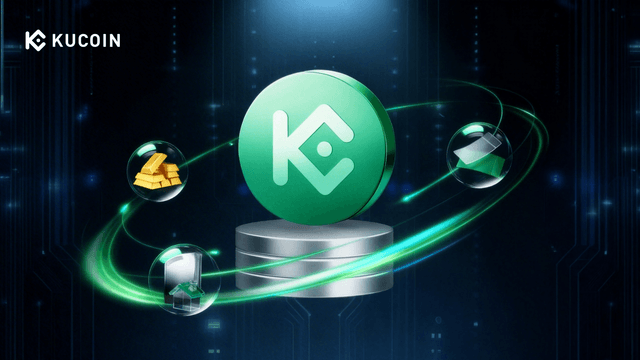
As of January 2026, the boundary between traditional finance and blockchain has all but dissolved. While the early years of crypto were dominated by purely digital "native" assets, the current market is being reshaped by Real-World Assets (RWAs). If you find yourself asking "what is RWA tokenization in crypto," you are looking at the next multi-trillion dollar evolution of the global financial system.
Tokenization is the process of converting the ownership rights of a physical or traditional financial asset into a digital token on a blockchain. By 2026, this technology has moved beyond simple experiments and is now a core part of how institutional and retail investors manage everything from government bonds to commercial real estate. For users on platforms like KuCoin, RWAs represent a way to combine the stability of tangible assets with the efficiency of decentralized finance (DeFi).
Key Takeaways
-
Asset Transformation: RWA tokenization turns physical assets (gold, property) or financial instruments (bonds) into programmable digital tokens.
-
Liquidity and Access: It allows for fractional ownership, meaning you can buy a small piece of a high-value asset that was previously inaccessible.
-
Transparency and Security: Blockchain provides an immutable ledger of ownership, reducing fraud and removing the need for many traditional middlemen.
-
The 2026 Shift: This year marks a tipping point where global regulations and institutional products have made tokenized assets a mainstream investment class.
How Digital Tokens Represent Physical Value
To answer "what is RWA tokenization in crypto" in a practical sense, one must understand the underlying mechanism. Unlike "memecoins" which derive value purely from social sentiment, RWA tokens are backed by a legal claim to an off-chain asset.
The Tokenization Process
-
Legal Wrapping: The physical asset (e.g., a building in Sydney) is placed into a legal structure like a Special Purpose Vehicle (SPV) or a trust.
-
Digital Minting: Digital tokens are issued on a blockchain, each representing a fractional share of that SPV.
-
Smart Contract Automation: Rules for dividend payments, rental income distribution, or compliance (KYC/AML) are coded directly into the token.
For Australian investors, this means that a title deed for a property can essentially become a liquid asset that can be traded 24/7 on a global exchange like KuCoin, bypassing the traditional weeks-long settlement periods of the legacy property market.
The Benefits vs. Risks of the Tokenized Economy
As the RWA market surpasses $26 billion in total value by early 2026, investors must weigh the increased efficiency against new types of technical and regulatory hurdles.
| Benefits of RWAs | Risks and Considerations |
| Fractional Ownership: Invest in gold or commercial real estate for as little as $100. | Smart Contract Risk: Vulnerabilities in the code can lead to potential loss of funds. |
| 24/7 Markets: Trade traditional assets outside of banking hours with instant settlement. | Regulatory Changes: Rules from AUSTRAC or ASIC can shift, affecting how tokens are handled. |
| Lower Fees: Removing brokers and custodians reduces the cost of entry and exit. | Oracle Risk: The system relies on "oracles" to accurately report the real-world value of the asset. |
Risk Disclosure: Digital asset trading is high-risk and highly volatile. RWA tokens, while backed by physical assets, are subject to market fluctuations and technical risks. KuCoin is a registered Digital Currency Exchange (DCE) provider with AUSTRAC, but this registration does not imply that the government has "approved" the safety or profitability of any specific RWA token. Losses can exceed your initial deposits, especially in leveraged or marginal products.
Exploring the KuCoin RWA Ecosystem
For the modern trader, KuCoin serves as a vital bridge to the RWA world. By providing deep liquidity for a diverse range of tokenized assets—including tokenized U.S. Treasuries, gold-backed tokens, and fractional real estate—the platform allows users to build a balanced portfolio in a single environment.
Simplified Entry with KuCoin Lite
If the professional trading interface feels overwhelming, the KuCoin Lite version offers a streamlined way to acquire RWA-related assets. This is particularly useful for investors who want to dollar-cost average into stable, asset-backed tokens without managing the complexities of a professional order book.
On-Chain Transparency
Because RWA tokens on KuCoin live on public or permissioned blockchains, every transaction creates an auditable trail. This transparency is a core part of why 2026 is considered the "year of trust" for tokenized finance. Users can verify the reserves backing their gold or bond tokens directly on-chain, providing a level of certainty that was historically impossible in traditional banking.
Why 2026 is the Turning Point for Tokenization
By mid-2026, the question has shifted from "can we tokenize it?" to "how fast can we integrate it?". Regulatory clarity in key jurisdictions like Australia has allowed institutional-grade custody to become the norm.
-
Institutional Adoption: Major banks have moved beyond pilots to launch live tokenized debt and money market instruments.
-
Retail Accessibility: The "democratization" of finance means that a retail trader on KuCoin can now earn yield from tokenized government bonds that were once the exclusive domain of high-net-worth individuals.
Conclusion: The Future of Asset Ownership
Understanding "what is RWA tokenization in crypto" is essential for anyone looking to navigate the 2026 financial landscape. By turning illiquid physical assets into programmable, fractional digital tokens, we are moving toward a world where value is more accessible, transparent, and efficient than ever before.
As you look to diversify your holdings, you can explore the latest RWA tokens on KuCoin to see how blockchain is rewriting the rules of ownership. Whether you are interested in tokenized gold or institutional debt, the tools to manage your digital-physical portfolio are now at your fingertips.
FAQs for RWA Tokenization
Can I redeem my RWA token for the actual physical asset?
In many cases, yes. Depending on the issuer's legal structure, holders of a significant amount of tokens (or specific "redemption tokens") may be able to claim the underlying physical asset, such as physical gold bars or property titles. Always check the specific terms of the token issuer on KuCoin.
How is an RWA token different from a stablecoin?
While a stablecoin like USDT is often backed by fiat reserves, it is primarily used as a medium of exchange. An RWA token specifically represents ownership or yield-bearing rights to a specific asset, such as a piece of art, a bond, or real estate.
Are RWA tokens legal in Australia?
As of 2026, RWA tokenization is subject to clear Australian regulations. Issuers must comply with AUSTRAC's AML/KYC rules and often require an Australian Financial Services Licence (AFSL) if the token is classified as a financial product.
Sign up for KuCoin today to buy, sell, and manage your entire crypto portfolio in one simple dashboard. Register Now!
Disclaimer: The information on this page may have been obtained from third parties and does not necessarily reflect the views or opinions of KuCoin. This content is provided for general informational purposes only, without any representation or warranty of any kind, nor shall it be construed as financial or investment advice. KuCoin shall not be liable for any errors or omissions, or for any outcomes resulting from the use of this information. Investments in digital assets can be risky. Please carefully evaluate the risks of a product and your risk tolerance based on your own financial circumstances. For more information, please refer to our Terms of Use and Risk Disclosure.
Read More:


