

Crypto Fear and Greed Index Drops to Extreme Fear: What It Means for Investors
In March 2026, the cryptocurrency market remains cautious following the sharp October 2025 crash that halved Bitcoin’s price. Investor sentiment has swung heavily toward fear, with the Crypto Fear and Greed Index plunging into “extreme fear.” While prices have stabilized in some areas, altcoins continue to struggle amid low trading volumes and widespread worry.
This index effectively captures collective market emotions. Understanding it helps investors gauge momentum, draw historical parallels, and adopt calm strategies during downturns. Rather than reacting to headlines, focusing on sentiment can reveal whether current conditions signal the end or the setup for recovery.
This article walks through the basics of the Crypto Fear and Greed Index, examines its current plunge into extreme fear, explores the ripple effects across markets, highlights potential upside for patient investors, and flags the real risks. Along the way, real-world examples and balanced perspectives keep things grounded.
The drop to extreme fear does not spell doom; instead, it offers a window into market psychology that can guide smarter decisions if investors know how to read the signals without letting panic take over.
What Exactly Is the Crypto Fear and Greed Index?
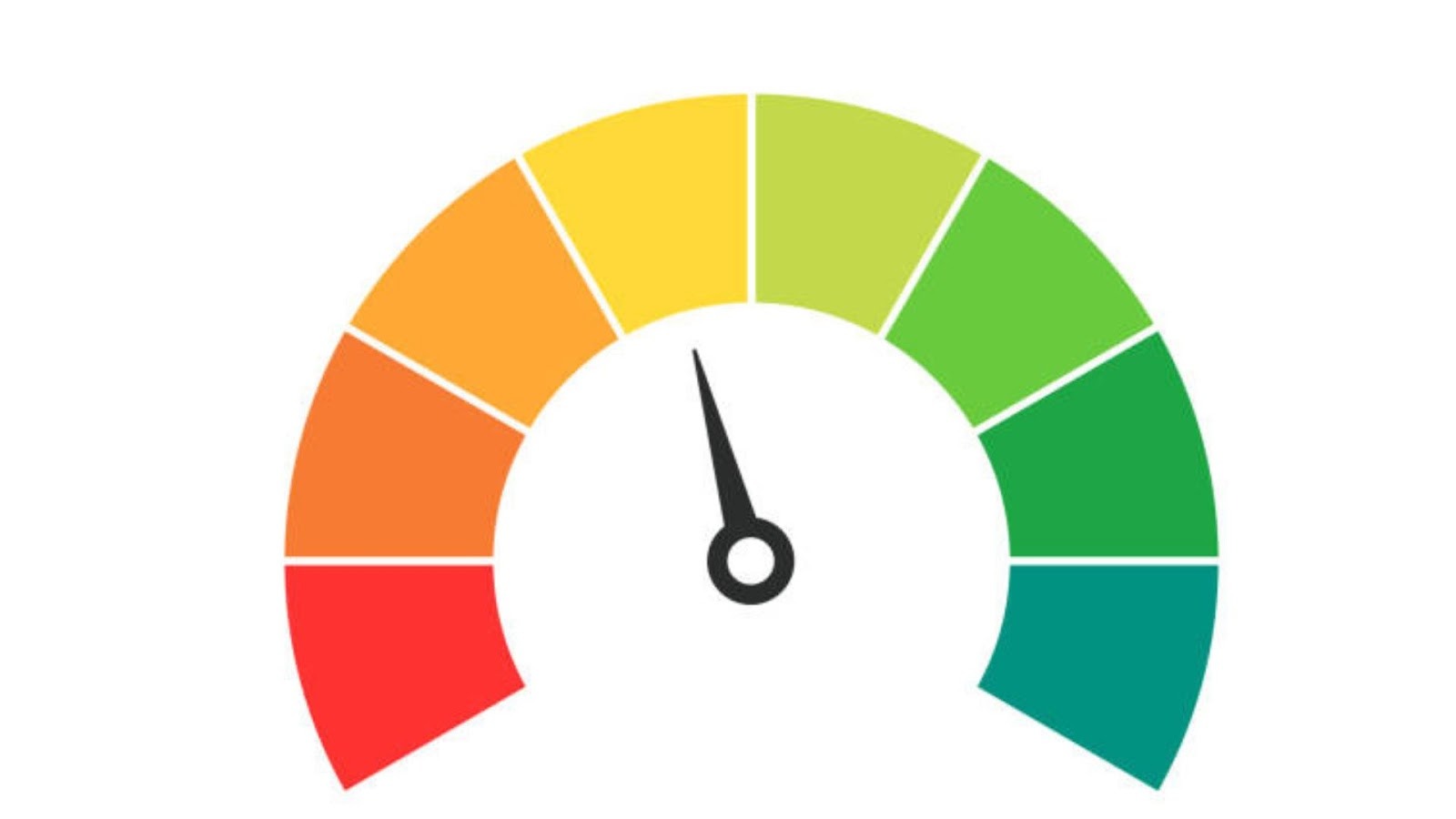
The Crypto Fear and Greed Index distills complex market sentiment into a single number between 0 and 100. A score near 0 signals extreme fear, think widespread panic, heavy selling, and rock-bottom confidence. A score near 100 points to extreme greed, where optimism runs so high that prices may be stretched too far. Anything below 25 lands in the extreme fear zone; the index currently sits at 10, down from 14 the day before and lingering near historic lows seen earlier this year.
The index does not come from a single poll or gut feeling. Data providers compile it daily by weighing six different factors, each chosen because it captures a unique slice of how people behave when money is on the line:
-
Volatility (25% weight) measures how widely prices have swung relative to recent averages. Sharp drops or big up-and-down moves usually feed fear.
-
Market Momentum and Volume (25%) looks at buying versus selling pressure and overall trading activity. Heavy selling volume in a downtrend often pushes the score lower.
-
Social Media (15%) scans platforms like X (formerly Twitter) to gauge the tone of conversations about Bitcoin and crypto. When posts turn overwhelmingly negative or quiet, fear rises.
-
Surveys (15%) are used to draw from direct investor polls, though this part sometimes pauses; it still adds a human pulse when active.
-
Bitcoin Dominance (10%) measures Bitcoin’s share of the total crypto market value. When investors flee riskier altcoins and pile into Bitcoin as a “safer” haven, dominance climbs, and fear grows.
-
Trends (10%) pulls Google search data. Spikes in worried queries like “Bitcoin going to zero” reliably signal fear.
Because the formula blends hard numbers with softer sentiment signals, the index tends to reflect real-time crowd psychology more reliably than any one metric alone. It focuses mainly on Bitcoin, since the largest cryptocurrency still drives most of the market’s emotional swings.
Over the years, the index has proven itself as a useful contrarian gauge.
When fear hits extremes, markets have sometimes been near turning points not always immediately, but often after the weakest hands have exited. The same pattern appears in reverse during extreme greed, when overconfidence can precede corrections. Of course, no tool predicts the future with certainty; the index simply shines a light on where emotions stand today.
How Extreme Fear Is Shaping the Cryptocurrency Market Right Now
When the Crypto Fear and Greed Index falls this sharply into single digits, its influence spreads far beyond a simple number. It touches prices, daily trading habits, and the entire crypto ecosystem in noticeable ways. In the 2026 landscape, multiple pressures have kept overall sentiment subdued for weeks.
The October 2025 crash stands out as a major turning point. That event triggered massive liquidations of over $19 billion in a single day in some reports, and erased hundreds of billions from the total market value. Bitcoin dropped roughly 50 percent from its all-time high near $126,000, while many altcoins fared even worse. Around 38 percent of them remain near their own record lows months later. Trading volumes across major exchanges have fallen by about half from peak levels, suggesting many participants have chosen to sit on the sidelines rather than commit fresh capital.
Geopolitical developments have added their own weight. Tensions involving the US, Israel, and Iran have heightened global uncertainty, making investors more cautious about riskier assets. On top of that, familiar macroeconomic worries persist: stubborn inflation, ongoing debates over interest rate paths, and growing government debt levels. Together, these factors have reduced appetite for cryptocurrencies, which many still view as high-risk holdings. In this environment, the index slipping back toward extreme fear after a short-lived attempt to recover feels like a natural outcome.
Effects on Different Types of Investors
Retail investors, who often follow news headlines closely, frequently respond by pulling back or selling positions during these stretches. That reaction can create a feedback loop of further price pressure. Institutional participants tend to behave differently.
Many use quantitative models and view deep fear readings as potential signals of undervaluation, quietly building positions when data supports it. On-chain metrics often support this contrast. Large holders sometimes move coins away from exchanges during these windows, suggesting longer-term conviction even as public mood stays negative.
Strain on Market Infrastructure
The impact reaches derivatives and spot trading alike. In futures markets, funding rates often turn negative, open interest contracts, and downside liquidations become more frequent. Spot markets suffer from thinner liquidity, meaning even moderate sell orders can push prices further than they would in calmer times.
Activity in decentralized finance protocols and NFT projects tends to slow as capital moves to the sidelines. The overall picture is a market that feels paused, holding its breath while waiting for a clear catalyst, whether that comes from regulatory progress, shifts in monetary policy, or the point at which selling pressure finally exhausts itself.
Lessons from Past Extreme Fear Periods
History provides useful context without promising exact repeats. During the March 2020 COVID-19 market shock, the index dropped to around 8 while Bitcoin briefly tested $3,800. A recovery followed within months as conditions stabilized. In June 2022, after the Terra-Luna collapse, it reached 6.
Later that year, following the FTX bankruptcy, similar lows near 12 appeared. In each case, the deepest pessimism eventually gave way to renewed buying interest, although the recovery timelines differed.
The current run of extreme fear readings has already lasted longer than several of those earlier episodes, stretching over 40 days in some measurements. This duration raises practical questions about how much longer the pressure might continue before sentiment begins to shift.
What This Means for Investors Today
Extreme fear does not automatically signal an immediate rebound, but it does highlight a market under significant stress. Prices can remain suppressed while weak hands exit and stronger participants assess opportunities. For those watching closely, the combination of lower valuations, reduced hype, and maturing blockchain infrastructure creates a different backdrop compared with previous cycles.
Investors often benefit from stepping back and reviewing their approach rather than reacting emotionally. Strategies such as spreading purchases over time or maintaining balanced exposure can help manage volatility. At the same time, keeping an eye on broader factors, such as policy changes and on-chain activity, remains essential alongside any sentiment gauge.
The index at these levels simply confirms what many already sense: caution dominates for now. How long that lasts will depend on developments outside any single metric. For participants who stay measured, periods like this have historically tested resolve but also set the stage for later recovery when conditions align.
Opportunities That Can Emerge in Extreme Fear
Extreme fear does not feel good when it grips the market, yet it has repeatedly created some of the more attractive entry points for disciplined investors. The basic principle remains straightforward: when nearly everyone feels scared, and selling pressure dominates, many assets can become priced as if the worst possible outcome is already certain. This leaves room for meaningful upside if broader conditions eventually improve and confidence returns.
Why Extreme Fear Often Signals Potential Value
At these moments, the market tends to overshoot on the downside. Panic selling pushes prices lower than underlying fundamentals might justify, especially in a sector like cryptocurrency, where sentiment can swing sharply. For investors who can look past the immediate noise, such periods have historically offered the chance to acquire quality assets at more reasonable valuations.
The current 2026 environment, with Bitcoin still trading well below its previous highs and many altcoins near multi-year lows, fits this pattern. While no one can predict the exact turning point, the deep pessimism reflected in the Fear and Greed Index at levels around 10 suggests that much of the negative outlook may already be baked into current prices.
Dollar-Cost Averaging as a Practical Strategy
Many experienced long-term holders recommend dollar-cost averaging, or DCA, as one of the most reliable ways to navigate these uncertain stretches without attempting to time the absolute bottom. The method is simple in practice: investors commit to buying a fixed dollar amount of cryptocurrency at regular intervals, perhaps weekly or monthly, regardless of short-term price movements. This approach automatically spreads purchases across both lower and higher points during volatile periods, reducing the risk of putting a large sum to work at exactly the wrong moment.
DCA has shown its value following previous extreme fear readings. After the sharp drops in 2020 and 2022, those who continued to make steady purchases benefited as sentiment gradually normalized and prices recovered. In the present cycle, with reduced trading volumes and lingering caution, a measured DCA plan can help investors build positions gradually while avoiding the emotional strain of trying to catch a falling knife. It also encourages discipline, turning market weakness into a routine buying opportunity rather than a source of anxiety.
The Role of Diversification and On-Chain Signals
Diversification remains a foundational element of any thoughtful approach during periods of extreme fear. Rather than concentrating everything in a single asset, spreading exposure across Bitcoin, established altcoins that demonstrate clear real-world utility, and even certain stable-yield opportunities can help cushion the impact if the downturn extends longer than expected.
Bitcoin often acts as the anchor in such portfolios because of its relatively stronger liquidity and historical resilience, while selected altcoins with active development and growing adoption can offer additional growth potential once sentiment improves.
Beyond traditional portfolio construction, some investors turn to on-chain metrics for additional clarity. Tools that track the movement of dormant coins, those that have not changed hands for long periods, or monitor exchange inflows and outflows, can provide hints about whether true capitulation has occurred.
When large holders, often referred to as “whales,” begin accumulating by moving coins off exchanges and into cold storage rather than distributing them, it can signal that selling pressure may be easing and that stronger hands are stepping in. These signals do not guarantee an immediate rebound, but they offer a more objective layer of insight alongside the sentiment-driven Fear and Greed Index.
Insights from Behavioral Finance
Behavioral finance experts frequently point out that financial markets operate in repeating cycles of euphoria and despair. Extreme readings on sentiment indicators like the Crypto Fear and Greed Index have often marked the points where collective pessimism reaches its peak. At such extremes, the probability of mean reversion increases, meaning the market eventually moves back toward a more balanced state.
However, it is important to remember that “historically” does not guarantee a particular outcome. Recoveries can take many months, and in some cases, fear can persist or even deepen before any sustained improvement appears. What attracts patient investors is the asymmetric risk-reward profile that often emerges in these environments.
Further downside may be limited once panic has largely run its course, while the potential long-term upside remains substantial for those who maintain conviction in the underlying technology. Blockchain continues to advance in areas such as scalability, decentralized finance applications, and institutional infrastructure, providing a foundation that was less developed during earlier bear markets.
Learning from Past Market Recoveries
Real-world examples illustrate this dynamic clearly. Investors who found the courage to add positions near the March 2020 COVID-19 market low, when Bitcoin briefly touched around $3,800, went on to see substantial gains as global adoption accelerated and new use cases developed. Similarly, those who entered during the depths of the 2022 bear market marked by the Terra-Luna collapse and the FTX bankruptcy, benefited as the industry matured and institutional interest grew in subsequent years.
In the current 2026 setting, the blockchain ecosystem stands on more solid ground than in previous cycles. Network upgrades have improved transaction speeds and reduced costs in several major protocols, while institutional participation has expanded through regulated products and corporate treasury allocations. If macroeconomic headwinds begin to ease through shifts in interest rate policy or reduced geopolitical tensions, similar recovery patterns could unfold, though the exact timing and magnitude will depend on a range of external factors.
Maintaining a Balanced Perspective
While extreme fear can open the door to compelling opportunities, success depends on approaching the market with realistic expectations and a long-term mindset. No single indicator, including the Fear and Greed Index, should drive decisions in isolation.
Combining sentiment data with careful analysis of fundamentals, technical levels, and personal risk tolerance remains the most prudent path. For those who stay disciplined, periods of maximum pessimism have often served as the quiet foundation for the next phase of growth in the cryptocurrency space.
Challenges and Considerations Investors Should Keep in Mind
For all its usefulness, the index is not a magic crystal ball. It remains a lagging indicator, reflecting what has already happened rather than forecasting what comes next. Fear can stay extreme longer than expected, especially when broader economic forces weigh on risk appetite. Prices may test lower levels before any sustainable bounce materializes.
Another risk is emotional decision-making. Panic selling during fear spikes often locks in losses right before a recovery begins. Conversely, some investors become overly optimistic that a low reading automatically signals an immediate rally, ignoring other fundamentals such as regulatory developments or network activity.
Macro factors matter enormously. Interest-rate policy, inflation trends, and geopolitical stability can override sentiment signals for extended stretches. Regulatory clarity or the lack of it also plays a big role in how quickly confidence returns.
Practical precautions help. First, treat the index as one data point among many. Pair it with technical analysis, on-chain metrics, and basic fundamental research. Second, maintain a clear risk-management plan: set position sizes you can live with even if markets fall further, and avoid leverage that could force sales at the worst moments. Third, focus on projects with genuine utility rather than hype. In uncertain times, solid fundamentals tend to matter more than short-term sentiment.
Finally, remember that the crypto space evolves quickly. Tools like the Fear and Greed Index capture today’s mood, but tomorrow’s catalysts, whether breakthroughs in scaling solutions, institutional adoption, or policy shifts, can change the narrative fast. Staying informed through reputable sources, such as KuCoin’s educational Learn section on topics like FUD and bear-market strategies, or their research reports, can help separate noise from signal.
Wrapping It Up: Turning Insight into Action
The Crypto Fear and Greed Index at extreme levels in 2026 paints a clear picture of current investor anxiety, but it also reminds us that markets thrive on cycles. Fear has preceded some of the strongest recoveries in crypto history, yet it has also lasted longer than many expected. The key takeaway is balance: acknowledge the market's stress, respect the risks, and look for opportunities that align with your time horizon and risk tolerance.
For those who approach the situation thoughtfully, using strategies like DCA, maintaining diversification, and grounding decisions in research rather than emotion, the current environment could prove constructive over the long haul. Crypto’s story is still being written, and periods of maximum pessimism have often been chapters where the next growth phase quietly began.
If you are navigating these markets, consider exploring additional resources on platforms like KuCoin for practical guides on sentiment analysis and bear-market tactics. Staying curious and level-headed remains one of the best edges any investor can have.
Take a moment to review your own portfolio in light of today’s sentiment. Whether you decide to adjust allocations, start a small DCA plan, or simply hold steady, the important step is making decisions based on understanding rather than fear. For more on crypto trends, market analysis, and investor tools, keep following reliable updates and consider subscribing to educational newsletters that cut through the noise.
Frequently Asked Questions
What does a Crypto Fear and Greed Index score of 10 actually mean?
It places the market deep in extreme fear territory (0–24 range), showing that data across volatility, volume, social sentiment, and other factors point to widespread investor anxiety and pessimism.
How often does the index update, and who calculates it?
It updates daily using public data sources. Providers like Alternative.me aggregate the six weighted components to produce the score.
Is the index a reliable predictor of Bitcoin’s price?
It acts more as a sentiment gauge than a direct price forecaster. Extreme fear can historically highlight potential buying zones, but it does not guarantee timing or direction. Always combine it with other analyses.
What is the difference between “Fear” and “Extreme Fear”?
Fear generally ranges from 25–49, while extreme fear ranges from 0–24. The lower zone reflects more intense panic and capitulation signals.
Can the Fear and Greed Index be manipulated?
Manipulating the overall score is difficult because it draws from diverse, independent data streams. While social media or search trends may influence, the weighted blend adds robustness.
Should investors buy immediately when the index hits extreme fear?
Not necessarily. It can signal oversold conditions, but further declines are possible. Many prefer gradual strategies, such as DCA, while monitoring other indicators.
How does the current 2026 extreme fear compare with past episodes?
The 2026 extreme fear phase is longer and more complex, driven not just by crypto events but also geopolitical tensions, macroeconomic uncertainty, and potential black swan risks, making recovery timing less predictable than in past cycles.
Where can I track the index live and learn more about using it?
Sites like Alternative.me or CoinMarketCap offer real-time views. Educational platforms, including KuCoin Learn, offer beginner-friendly guides on sentiment, FUD, and long-term investing.