

Sberbank Cryptocurrency Exchange and the New Era of Russian Digital Assets
Introduction
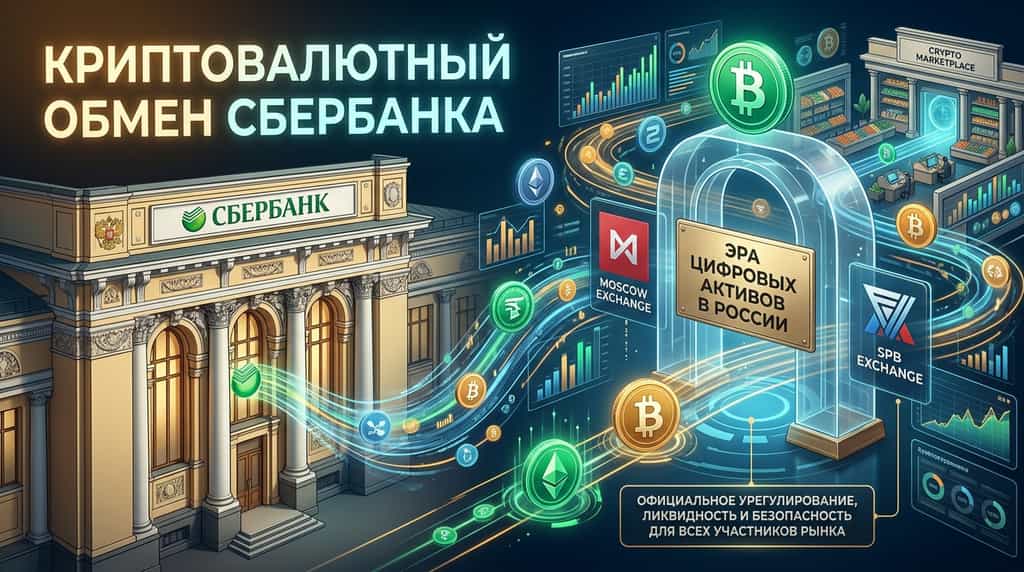
The landscape of digital asset integration underwent a monumental shift as Russia formalised its crypto framework under regulatory oversight, opening doors for tier-one financial institutions to enter the digital economy. According to official reports from Vedomosti, the Russian legislative framework established under presidential decrees signed in August 2026 legally defines digital currencies as property, with full regulatory oversight entrusted to the Bank of Russia starting September 2026. Major state-backed financial entities, including leading banking institutions like Sberbank alongside organized venues such as Moscow Exchange and SPB Exchange, are actively shaping official crypto channels. This evolution bridges traditional banking infrastructure with blockchain liquidity, offering institutional and retail participants structured access to digital assets.
What Does Sberbank’s Cryptocurrency Integration Mean for the Market?
Sberbank’s integration into cryptocurrency exchange and settlement infrastructure signifies a direct state-backed validation of digital assets within the Russian financial system. Leading commercial banks and financial giants are establishing compliant gateways that align with the Bank of Russia’s strict supervisory framework.
According to market analyses and reports published by Vedomosti, the regulatory framework enacted under the leadership of President Vladimir Putin classifies cryptocurrencies as property, establishing mandatory legal boundaries for turnover and reporting. By incorporating institutional-grade custody and exchange channels, traditional banks mitigate historical counterparty risks associated with over-the-counter (OTC) markets. This institutional adoption accelerates mainstream liquidity, bridging fiat reserves with blockchain ecosystems under unified compliance mandates.
How Will National Crypto Exchanges and Infrastructure Operate?
Organized trading venues in Russia are deploying structured infrastructure to handle cryptocurrency transactions in compliance with federal guidelines. Moscow Exchange announced plans for organized crypto trading starting December 1, 2026, while SPB Exchange is building a dedicated settlement digital depository targeted for operational readiness by the end of 2026.
Based on statements from the Bank of Russia, asset listings on these regulated platforms will filter instruments based on liquidity depth, market demand, and strict categorization of investor risk profiles. First Deputy Chairman of the Bank of Russia Vladimir Чистюхин noted that digital currencies remain high-risk instruments requiring disciplined risk management, emphasizing that they function best when integrated prudently within diversified portfolios rather than treated as speculative panaceas.
What Are the Regulatory Guidelines and Compliance Standards?
Regulatory compliance for cryptocurrency operations in Russia is governed directly by the Bank of Russia, which enforces strict supervisory controls over digital asset service providers. Under current legislative schedules, market participants and exchange operators must adhere to federal standards regarding anti-money laundering (AML) and know-your-customer (KYC) protocols.
According to official timelines reported by Vedomosti, while core provisions of the digital currency law took effect on September 1, 2026, specific grace periods allow certain crypto-exchangers to operate while aligning with registry requirements leading up to July 1, 2027. Financial institutions participating in these digital channels must implement robust compliance layers, ensuring transparent transaction monitoring and clear asset provenance tracking across blockchain ledgers.
How Does Institutional Crypto Adoption Impact Liquidity and Security?
Institutional-grade cryptocurrency integration dramatically enhances market depth while reducing operational vulnerabilities for participants engaging with digital assets. Traditional banking infrastructure introduces institutional security standards, multi-signature custody solutions, and legal recourse mechanisms previously absent in decentralized peer-to-peer markets.
Based on economic data from CoinMarketCap and industry liquidity trackers, institutional participation typically drives tighter bid-ask spreads and more stable trading volumes across major digital assets. By routing transactions through regulated banking rails like Sberbank and certified exchanges, systemic risks such as counterparty default and illicit fund contamination are substantially minimized, fostering a safer ecosystem for both corporate treasuries and individual investors.
Beyond the Headlines: What KuCoin 5.0 Means for You
Market news moves fast — but where you act on it matters just as much. This October, KuCoin launches KuCoin 5.0, transforming KuCoin into a rebuilt platform. Here's what actually changes for you:
-
One account for everything. Older platforms split your money across separate "spot," "margin," and "futures" accounts and expected you to understand why. KuCoin 5.0's unified account removes that entirely — deposit once, and everything is simply there (only available to VIPs for now).
-
Stocks, indices, and commodities. KuCoin 5.0 expands beyond crypto into global markets. When crypto chops sideways and equities rally (or the reverse), you rotate in minutes instead of opening a brokerage account and waiting days for fiat rails.
-
Real-world assets (RWA). Tokenized exposure to traditional assets like commodities, right inside your crypto account. One of the fastest-growing segments in global finance is no longer reserved for institutions — you access it from the same balance you trade with.
-
Earn while you learn. Not ready to trade? KCUSD lets your stablecoins earn daily, auto-compounding interest. The lowest-stress way to put your idle deposit to work for 4% yield.
-
An AI assistant in plain language. Ask questions, get market context, understand what you're looking at — built into the platform, no jargon required.
-
An app that doesn't overwhelm. Faster, cleaner, and consistent — intuitive from the first tap, not after a tutorial.
-
Safety you can check, not just trust. A MiCAR-licensed EU entity, Proof of Reserves you can verify yourself, and internationally certified security (SOC 2 Type II, ISO 27001:2022).
Create your account in minutes — and start on the platform built for where crypto is going, not where it's been.
Conclusion
The formal integration of traditional banking giants like Sberbank alongside regulated exchange frameworks marks a definitive milestone in the maturation of the digital asset economy. By establishing legal definitions, supervisory oversight through the Bank of Russia, and institutional-grade infrastructure, the market transitions from an unregulated frontier into a structured financial ecosystem. While regulatory compliance and risk management remain paramount for participants, these developments pave the way for sustainable liquidity, enhanced security, and broader economic adoption of blockchain technology. Navigating this dynamic landscape requires continuous education, adherence to regulatory updates, and utilization of secure, professional trading venues to capitalize on emerging opportunities responsibly.
Frequently Asked Questions
What legal status do cryptocurrencies hold under the current Russian regulatory framework?
Cryptocurrencies are legally classified as property under federal legislation signed in August 2026, establishing formal rules for their turnover, taxation, and regulatory supervision by the Bank of Russia.
Do crypto-exchangers need immediate registration with the Bank of Russia?
While core regulatory provisions took effect on September 1, 2026, a transitional grace period allows certain crypto-exchange operators to align with full registry requirements until July 1, 2027.
How do regulated exchanges filter available digital assets for investors?
Exchanges structure their asset listings by balancing market liquidity, investor demand, and strict compliance guidelines issued by the Bank of Russia regarding investor risk categorization.
What risks do regulatory authorities highlight regarding digital currency investments?
The Bank of Russia characterizes cryptocurrencies as high-risk, volatile financial instruments that require thorough understanding and should be managed as part of a diversified portfolio rather than speculative guarantees.
When are organized cryptocurrency trading platforms scheduled to launch in Russia?
Major financial platforms announced operational rollouts, with Moscow Exchange scheduling initial organized crypto trading for December 1, 2026, and SPB Exchange targeting infrastructure deployment by late 2026.
Disclaimer
This article is for informational purposes only and does not constitute financial, legal, or investment advice. Always conduct your own research before interacting with digital assets.