

KuCoin Hold to Earn Explained: How Traders Can Earn Yield Without Locking Funds
Introduction
Your capital doesn't need to choose between trading and earning. For years, that's exactly the choice exchange users faced. Want yield? Move your funds into an earn product, subscribe, wait for redemption when you need to trade. Want to stay market-ready? Keep your balance liquid — and earn a clean 0% on it. Every active trader made the same rational decision: stay liquid, forfeit the yield.
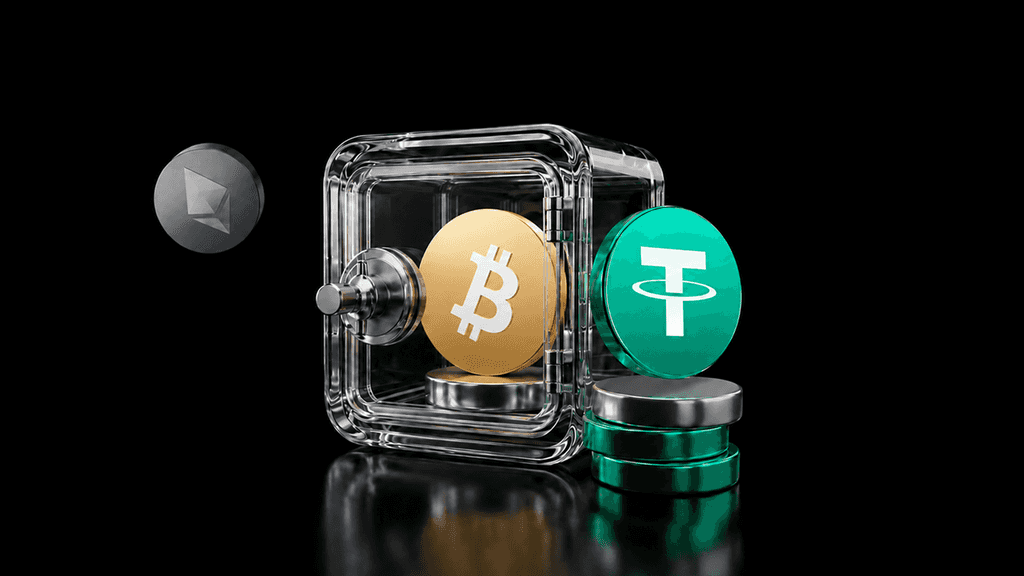
Hold to Earn was built to delete that trade-off entirely. It's a KuCoin feature that pays daily rewards on eligible balances sitting in your regular trading accounts — no subscription, no transfers, no lock-up, no redemption queue. Your funds stay exactly where they are, available for trading, transfers, and withdrawals at any moment, while rewards accrue in the background based on your daily average balance.
This guide explains exactly how it works — including the honest mechanics of what counts (and what doesn't) as an earning balance — and who it's actually for.
Key Takeaways
-
Hold to Earn pays daily rewards on balances in your Funding, Trading (Spot), Margin, and Futures accounts — funds never leave those accounts.
-
Zero behavior change: enable once, earn automatically; trade, transfer, or withdraw anytime.
-
Rewards = your daily average eligible balance × the day's rate. Funds frozen in open orders pause earning until the order fills or cancels.
-
It's not a savings product competing on APR — it's a capital-efficiency layer on money you were holding anyway.
What Hold to Earn Is
Hold to Earn is best understood not as a product you buy, but as a setting you switch on.
Once enabled, KuCoin takes daily snapshots of your eligible balances and calculates rewards on your daily average balance — the average of what you held across the day, not a single point-in-time reading. Rewards then land daily, automatically, in the same coin you're holding. Hold USDT, earn USDT. Hold USDG, earn USDG.
| Traditional earn products | Hold to Earn | |
| Action required | Subscribe → wait → redeem | Enable once |
| Where funds sit | Locked in a separate Earn order | Your normal accounts |
| Trade anytime? | Only after redemption | Yes, instantly |
| Withdraw anytime? | Only after redemption | Yes, instantly |
| Rewards start | After subscription settles | From the next daily snapshot |
The design principle is simple: capital stays productive until the exact moment an order is placed. You don't manage it. There's no position to track, no maturity date, no redemption window to plan around. If you've ever skipped an earn product because "I might need to trade tomorrow," this is the feature that removes your objection.
What Counts as an "Eligible Balance"
Transparency matters here, so let's be precise about the rules — including the one that pauses your earnings. What earns: available (uncommitted) balances of supported tokens in your Funding, Trading, Margin, and Futures accounts. Rewards accrue on your daily average balance and are distributed daily after activation.
What pauses earning: funds that are frozen under a pending order. When you place a spot, margin, or futures order, the assets committed to that order stop earning while they're committed. The moment the order executes or you cancel it, those funds resume earning automatically.
This rule is worth dwelling on, because it's where Hold to Earn is most honest — and most misunderstood:
-
It's not a penalty. Frozen funds aren't being punished; they're simply doing a job (securing your open order) that's incompatible with being put to work elsewhere.
-
It means your earnings naturally dip on days you're most active and recover the moment your orders clear. Heavy scalpers will see smaller daily rewards than position traders — that's the math working as designed, not a bug.
-
Only the frozen portion pauses. The rest of your balance keeps earning uninterrupted.
Why highlight a limitation in the middle of an explainer? Because it's the feature's core integrity: Hold to Earn never touches your trading capacity. The same mechanism that pauses earning on committed funds is the guarantee that your orders always execute exactly as if the feature didn't exist.
Which Accounts Support Hold to Earn
Hold to Earn works across the four accounts active traders actually use:
-
Funding account — deposits waiting to be deployed, withdrawal proceeds, P2P balances. Typically the largest idle pool for most users.
-
Trading (Spot) account — your working spot balance between trades.
-
Margin account — collateral and available margin. Note: your borrowing and positions work exactly as before; available balances simply earn in the background.
-
Futures account — available margin waiting for the next setup. For futures traders keeping substantial USDT margin on hand, this is often the single biggest unlock.
The practical implication: you don't consolidate anything. There's no "move funds to Earn account" step, because the accounts you already use are the earning accounts. Supported tokens and live APRs per asset are listed on the Hold to Earn page — stablecoins like USDT and USDG are the headline assets, but check the current list for the full coverage.
Real Scenarios: What Hold to Earn Looks Like in Practice
Scenario 1: Waiting for a setup. You've sold into USDT and you're waiting for BTC to pull back to your level. That might take two weeks. Traditionally, those two weeks earn nothing. With Hold to Earn enabled, every day your balance sits ready is a day it earns — and when your alert fires, you buy instantly. No redemption, no delay, no "should I cancel my earn subscription first?"
Scenario 2: Between trades. You trade a few times a week. Your spot balance fluctuates — sometimes $3K, sometimes $15K depending on where you are in a cycle. Because rewards are calculated on the daily average, every balance level earns proportionally. The days you're fully in a position, your open orders pause their frozen slice; the days you're flat and waiting, the full balance accrues. It maps to your actual trading rhythm instead of fighting it.
Scenario 3: Rebalancing a portfolio. You hold a basket of assets and rebalance monthly. In between, positions sit in spot doing nothing. With supported tokens, those holdings accrue daily rewards while you wait for your rebalancing date — a small but persistent yield on a portfolio you were holding anyway.
Notice the pattern across all three: the trading behavior doesn't change at all. That's the point. If you have money you can genuinely set aside for weeks, subscription products like Simple Earn (with fixed terms that lock a rate) will always be the right tool for that bucket. Hold to Earn isn't competing with them — it's the layer that covers the money those products can't touch: the capital that must stay ready.
How to Enable Hold to Earn on KuCoin
Setup takes under a minute:
-
Go to the Hold to Earn page (or find it under Earn in the KuCoin app).
-
Review the supported assets and current APRs for your balances.
-
Enable it. From the next daily snapshot onward, your eligible balances start accruing — automatically, every day.
There's no step four. No amount to enter, no term to pick, no confirmation of a subscription — because there's no subscription. Your rewards appear daily in your account, and you can toggle the feature off just as easily if you ever want to (though we've yet to hear a good reason why).
If you're also holding stablecoins you won't need for trading, consider running both layers: Hold to Earn on your active trading capital, and a fixed term in Simple Earn on the portion that's truly parked. The KuCoin Earn hub puts both under one roof.
The Bottom Line
Active traders have always accepted a hidden tax: the yield forfeited on capital that has to stay ready. Hold to Earn eliminates it — not by paying a spectacular rate, but by paying something on balances that were always going to sit there, with zero change to how you trade, transfer, or withdraw.
If you trade on KuCoin, your Funding, Trading, Margin, and Futures balances can start earning from the next daily snapshot. Enable Hold to Earn, then go back to watching the charts — your balance just started working the same hours you do.
FAQs
Does Hold to Earn lock my funds?
No. Funds stay in your Funding, Trading, Margin, and Futures accounts and remain available for trading, transfers, and withdrawals at any time. There is no subscription, no lock-up period, and no redemption process — enabling or disabling the feature is all you ever manage.
Do I earn rewards while my order is open?
The funds frozen by a pending spot, margin, or futures order pause earning while committed to that order. Once the order executes or is cancelled, those funds automatically resume earning. The rest of your uncommitted balance keeps earning without interruption.
How are Hold to Earn rewards calculated and paid?
Rewards are based on your daily average balance of eligible assets — KuCoin snapshots your balance throughout the day rather than at a single moment. Rewards are distributed daily after activation, paid in the same token you're holding.
Hold to Earn vs Simple Earn — which one should I use?
They solve different problems. Hold to Earn covers balances that must stay trade-ready; Simple Earn is for funds you can set aside, with flexible terms for liquidity and fixed terms that lock a rate until maturity. Many users run both: Hold to Earn on active capital, Simple Earn on genuinely idle funds.