

What Does BTC Mean? A Comprehensive Guide to Bitcoin's Meaning, Value, and Mechanics
BTC is more than just a three-letter acronym in the world of cryptocurrency; it represents a decentralized revolution that is reshaping the global financial system. If you have ever searched for "What does BTC mean", you have come to the right place. This article will provide an in-depth answer to the full meaning of BTC, explore its underlying technology, and analyze why this digital asset is frequently referred to as “digital gold.”
Part I: The Basic Definition of BTC: Full Name and Origin (BTC Full Form in Crypto)
To fully grasp what BTC means, we must first establish its full form.
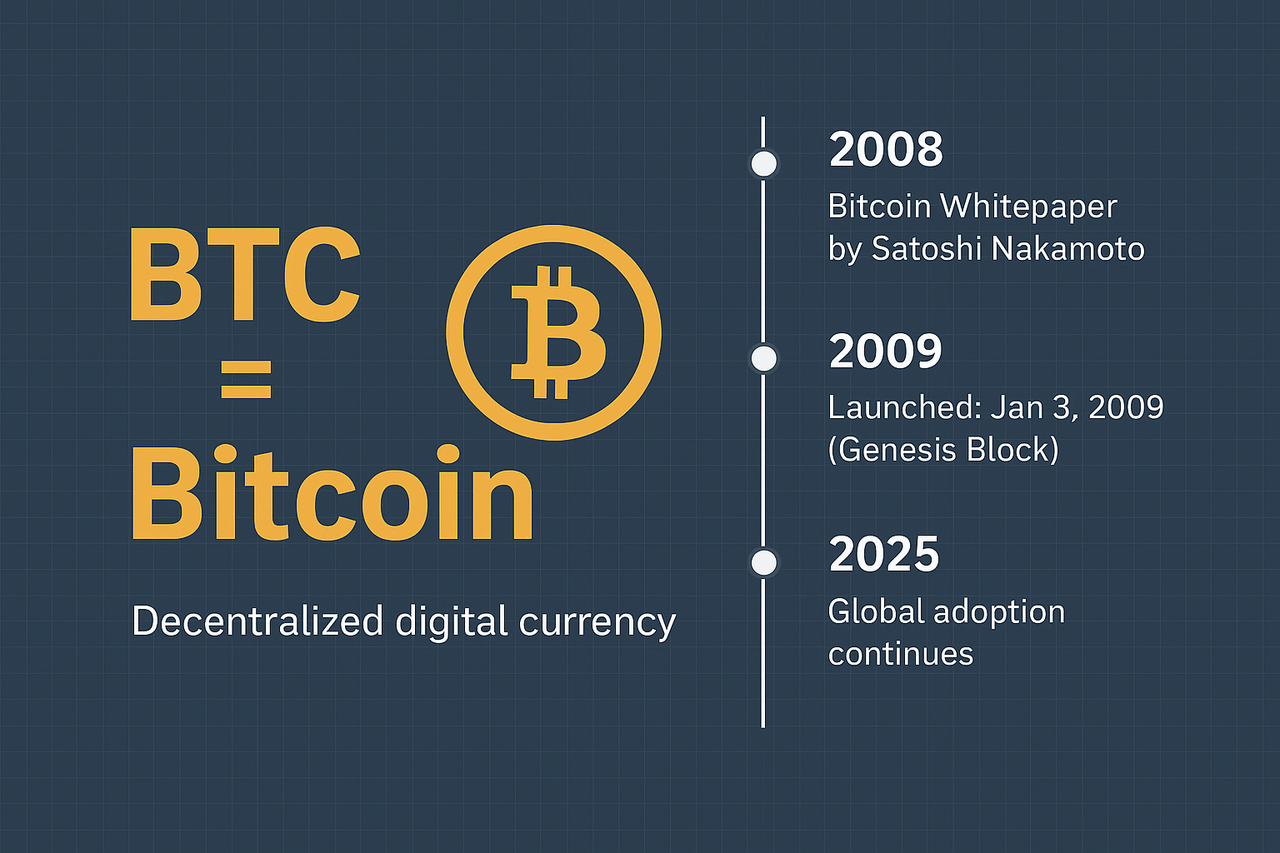
BTC is the universal ticker symbol or currency code for Bitcoin used across international financial markets and cryptocurrency exchanges, much like USD for the US Dollar or EUR for the Euro. Therefore, whenever you see BTC, it refers directly to Bitcoin itself.
The Birth and Core Nature of Bitcoin
The history of Bitcoin began in the wake of the 2008 global financial crisis. An anonymous person or group known as Satoshi Nakamoto published a white paper describing a peer-to-peer electronic cash system.
-
Launch Date: January 3, 2009, marked the mining of the first block of BTC, known as the "Genesis Block."
-
Core Nature: BTC is a completely decentralized digital currency. This means that Bitcoin is not controlled by any single central bank, government, or institution. This decentralized nature is the most crucial pillar of BTC's inherent value.
In summary, if you are looking for the BTC full form in crypto, the answer is Bitcoin, a revolutionary digital asset.
Part II: How BTC Works: A Look at the Technology (What is Bitcoin and How Does it Work)
Simply knowing what BTC means is insufficient; understanding the technology behind it is key to appreciating its potential. So, how does BTC, this unique form of digital money, actually operate? The answer lies in Blockchain Technology.
Blockchain: The Foundation of BTC
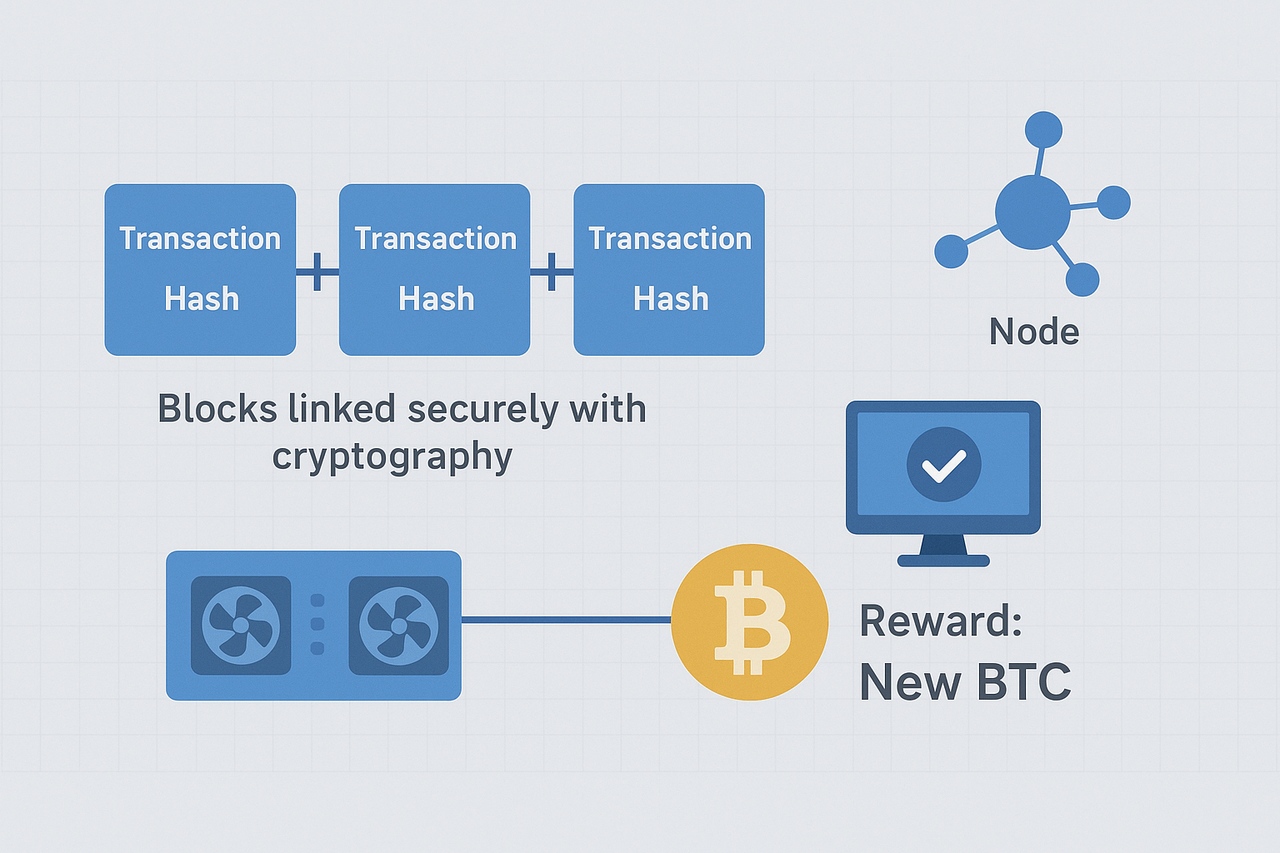
BTC operates on a distributed public ledger known as the Blockchain.
-
Distributed Ledger: Records of all Bitcoin transactions are replicated and stored across thousands of computers (nodes) worldwide. This decentralization makes the data virtually impossible to tamper with.
-
Blocks and Chains: Transactions are bundled into "blocks" and secured with cryptography. These blocks are then linked sequentially, forming an irreversible "chain." Once a transaction is recorded on the BTC blockchain, it cannot be deleted or altered.
Mining: Securing the BTC Network
The security and validation of BTC transactions depend on a process called Mining.
-
Miners' Role: Miners utilize powerful computers to solve complex mathematical problems to verify and add new Bitcoin transactions to a block.
-
Incentive Mechanism: Miners who successfully add a new block to the chain are rewarded with newly generated BTC (the "block reward") plus transaction fees. This is the only way new Bitcoin enters circulation, simultaneously ensuring the continuous security of the BTC network.
Through this ingenious mechanism, the Bitcoin network achieves secure transactions without the need for a trusted third party. The crucial element to understanding What is Bitcoin and how does it work is this secure, distributed, and encrypted network.
Part III: The Source of BTC's Value: Why is BTC Valuable? (BTC vs USD Meaning)
In finance, BTC is often compared to traditional fiat currencies. Understanding the fundamental difference in BTC vs USD meaning helps explain why BTC is valuable.
| Feature | BTC (Bitcoin) | USD (Fiat Currency) |
| Issuance | Decentralized (Satoshi Nakamoto Protocol) | Central Banks (Government Agencies) |
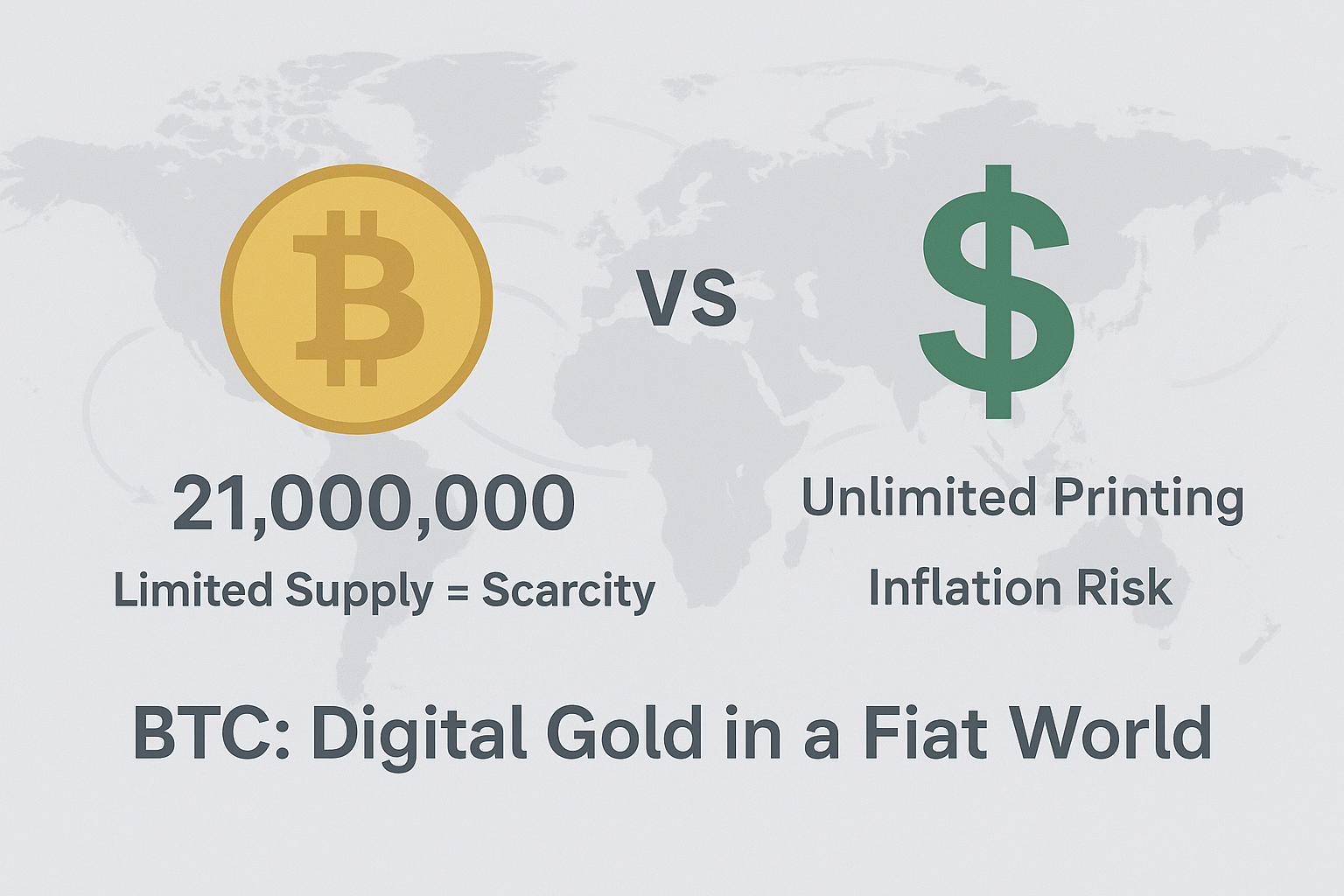
| Supply Limit | 21 Million Coins (Hard Scarcity) | Unlimited (Can be printed at will) |
| Traceability | Publicly transparent blockchain record | Dependent on banking records |
| Cross-Border Transactions | Instantaneous, low cost (no intermediaries) | Slow, high cost (reliant on banks) |
Digital Scarcity: The Core Value Proposition of BTC
The essential value driver of Bitcoin is its scarcity. The protocol dictates that the total supply of BTC will never exceed 21 million coins. This hard cap makes it analogous to gold, serving as an inflation-resistant store of value. As global demand for inflation hedges grows, BTC's status as digital gold is increasingly cemented.
Global Utility and Censorship Resistance
Because BTC is decentralized, no single entity can stop a legitimate Bitcoin transaction. This makes it an ideal, borderless asset, free from political intervention. This censorship resistance and the ability to transfer funds instantly worldwide give BTC a significant advantage in international remittances and financial freedom. This is key to understanding the profound difference in BTC vs USD meaning.
Part IV: Applications and Future of BTC (How to Buy BTC for Beginners)
Now that we have a comprehensive understanding of what BTC means and the technology behind it, the next logical step is to know how to acquire this asset.
How to Buy BTC for Beginners
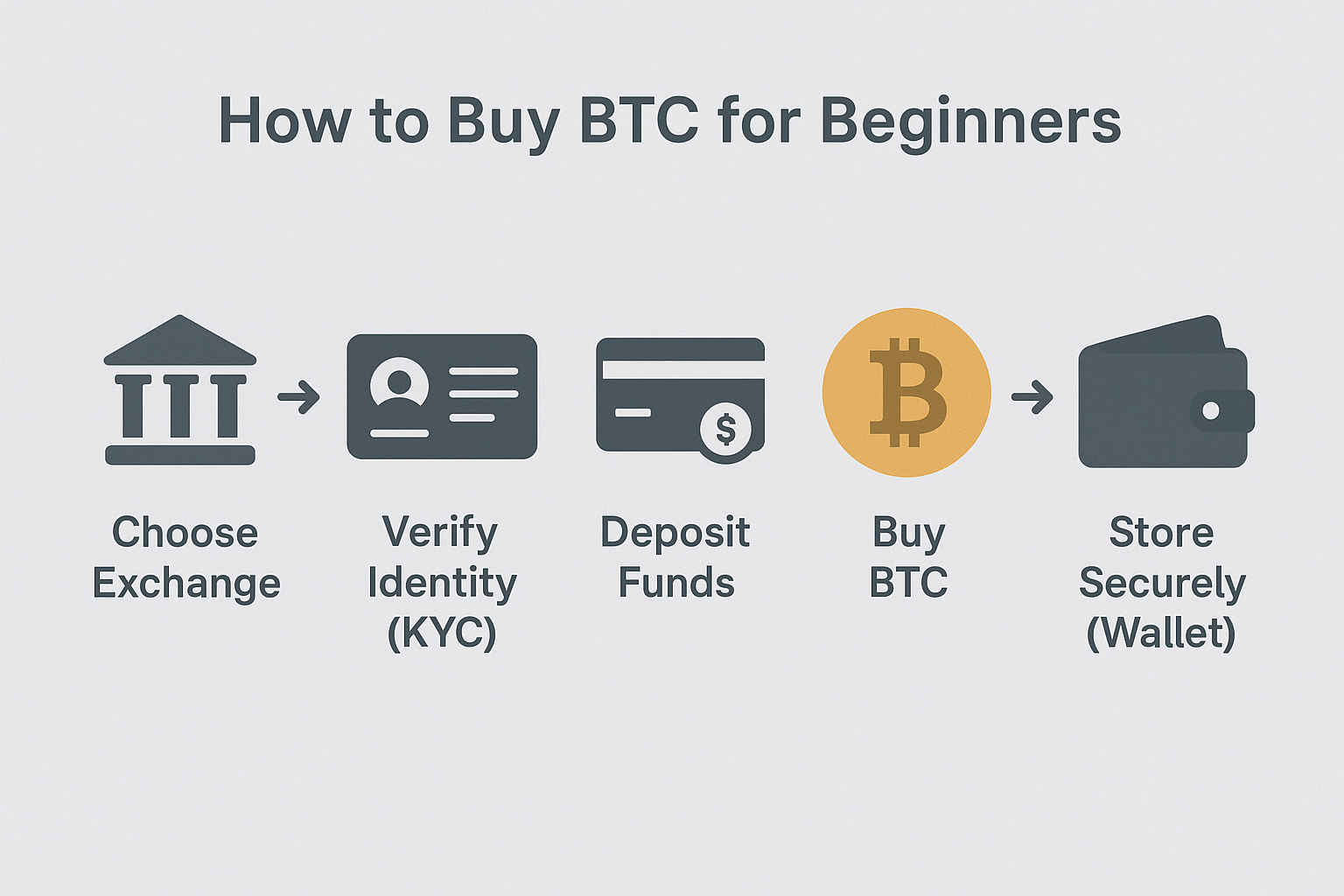
For beginners wondering how to buy BTC, the process has become significantly streamlined:
-
Select an Exchange: Register with a reputable cryptocurrency exchange (e.g., Coinbase, Binance, Kraken).
-
Verify Identity: Complete the necessary KYC (Know Your Customer) identity verification process.
-
Deposit Funds: Fund your account with fiat currency (such as USD/EUR) via bank transfer or credit card.
-
Place the Order: Search for BTC or Bitcoin on the platform and enter the amount you wish to purchase.
Is BTC a Good Investment?
When discussing whether BTC is a good investment, it is essential to maintain a balanced perspective.
BTC holds immense potential for growth as it represents the future of finance. However, it is also a highly volatile asset. Before investing in Bitcoin, you must conduct thorough research and only invest funds you can afford to lose. The journey to understanding what BTC means often leads to the question of investment, which requires prudence and due diligence.
Conclusion: BTC is More Than Just a Code
In conclusion, the answer to What does BTC mean extends far beyond a simple code. BTC is the ticker for Bitcoin, a revolutionary digital asset characterized by scarcity, decentralization, and global utility, all powered by groundbreaking blockchain technology.
Bitcoin is evolving from a niche concept into a legitimate asset class taken seriously by retail and institutional investors worldwide. Whether you are looking to purchase BTC, understand how BTC works, or simply clarify the meaning of those three letters, understanding Bitcoin is the first step toward comprehending the future of money.
Further Reading:
https://www.kucoin.com/trade/BTC-USDT
https://www.kucoin.com/price/BTC
https://www.kucoin.com/how-to-buy/bitcoin
https://www.kucoin.com/markets/spot/BTC