

From Speculation to Utility: A New Era for Meme Coins
Thesis
As the digital asset ecosystem enters 2026, the era of pure speculation is fading. Meme coins are successfully rebranding as functional tools by integrating Layer 2 infrastructure, AI-driven automation, and community-led governance to provide actual value beyond viral humor, proving that digital culture can sustain complex financial ecosystems.
The Infrastructure Behind the Laughs: Layer 2 Solutions for Viral Icons
One of the most significant technical shifts in the current era involves the adoption of dedicated Layer 2 networks designed to handle high transaction volumes at a fraction of the cost. As noted by reports, the transition of the Shiba Inu project into a comprehensive Layer 2 ecosystem via its Shibarium network has been a primary driver of its long-term viability. This technical layer allows for faster, cheaper, and more scalable transactions, which is essential for any asset attempting to function as a medium of exchange.
By removing the friction associated with high network fees, these joke tokens are transformed into functional currencies capable of supporting microtransactions and decentralized applications. Market observers now prioritize metrics like total value locked. and the gas-to-burn ratio over simple social media mentions. This shift toward infrastructure-heavy development ensures that the network's success is tied to its actual usage rather than just speculative hype. The technical maturity seen in these Layer 2 solutions provides a foundation for more complex financial products, allowing the community to build everything from decentralized exchanges to specialized lending protocols.
The Shifting Pulse of Digital Culture and Community Wealth
The digital asset ecosystem in April 2026 has reached a fascinating crossroads where the lines between internet humor and serious financial infrastructure have blurred significantly. According to recent market reports from Tangem, the total market capitalization for meme-based assets is now hovering around a robust $60 billion. This figure represents a more measured and professionalized phase of the market compared to the wild volatility of previous years.
The current cycle is defined by a move away from pure meme bets toward projects that offer clear cultural staying power backed by technical roadmaps. Investors are no longer just chasing a quick percentage gain; they are looking for ecosystems that demonstrate deep liquidity and active community participation. This evolution signals a fundamental change in how digital communities perceive value, moving from a lottery ticket mentality to a model of shared economic growth. The data suggests that as global interest in decentralized finance matures, the most successful projects are those that can successfully bridge the gap between viral social media energy and sustainable economic utility.
How Virtual Puppies Learned New Tricks in Decentralized Finance
The integration of meme-themed assets into decentralized finance protocols has created a unique environment where humor meets high-level yield generation. Projects like Floki have evolved to offer multi-faceted ecosystems that include staking and sophisticated DeFi products. As detailed by the analysis, these platforms now provide users with the ability to participate in governance and earn rewards through structured treasury management systems. This transition is not merely a cosmetic change; it involves the implementation of decentralized autonomous organization (DAO) structures where token holders have a real say in how funds are allocated.
In the 2026 market environment, a token's ability to offer a dual chain architecture allowing for seamless movement between different blockchain networks is a critical factor for its survival. This flexibility addresses common scalability concerns and provides users with options for managing transaction costs and speed. By layering these traditional financial tools onto a foundation of internet culture, these projects have created a more engaging and accessible entry point for millions of new participants in the global economy.
Why Decentralized Governance is Thriving in the Hands of Internet Trolls
The rise of the Internet Meme DAO has redefined what it means to have a community-led project. According to insights, modern meme projects are no longer run by a single anonymous developer; instead, they operate through structured governance models where the community proposes and votes on everything from marketing initiatives to technical upgrades. This democratic approach has turned what used to be simple chat rooms into powerful economic engines where every participant has a stake in the outcome. The sense of ownership provided by these governance structures is a powerful motivator for long-term holding and active contribution.
In 2026, we see examples of communities voting to burn billions of tokens to manage supply or choosing to fund educational initiatives in emerging markets. This level of participation creates a social glue that holds the project together during periods of market volatility. By giving the trolls and enthusiasts actual power over the treasury, these projects have created a resilient model of governance that often outpaces the slow-moving bureaucracy of traditional financial institutions.
Turning Viral Social Media Threads Into Local Economic Engines
The real-world impact of meme-centric assets is particularly visible in regions like Southeast Asia and Africa, where grassroots adoption has outpaced institutional awareness. As the report points out, projects like Floki have found significant traction in these markets as a tool for financial inclusion. For many individuals in these areas, a meme coin is not just a joke; it is a gateway to the broader world of digital finance. These assets are often easier to understand and more culturally accessible than complex traditional banking products.
Local communities are using these tokens for peer-to-peer payments, small-scale commerce, and as a way to participate in global markets that were previously out of reach. This transition from online gag to local currency is a testament to the power of community-driven networks. The viral nature of the meme helps the asset spread quickly through social networks, while the underlying blockchain technology provides the security and transparency needed for economic activity. This grassroots momentum creates a self-sustaining cycle where increased utility leads to more adoption, further cementing the asset's place in the local economy.
The Rise of Play to Laugh Gaming Environments and Rewards
The intersection of gaming and digital culture has found a new home in meme-centric metaverse projects. As described, the development of metaverse gaming initiatives such as the Valhalla project has given these assets a functional role within virtual worlds. Players can earn tokens by participating in games, which they can then use to buy in-game items, participate in special events, or trade in the broader market. This play-to-laugh model combines the entertainment value of gaming with the economic incentives of decentralized finance.
The use of a familiar meme as the central theme of a game makes the experience more engaging for a wider audience, moving beyond the niche world of technical crypto enthusiasts. In 2026, these gaming environments are becoming increasingly sophisticated, featuring high-quality graphics and complex economies that mimic real-world financial systems. This gamification of finance provides a practical use case for the tokens, ensuring that there is a constant demand driven by actual activity within the virtual world. By providing a fun and interactive way to use digital assets, these projects are building a more sustainable and loyal user base.
Why Modern Brands Are Adopting Meme Assets for Customer Engagement
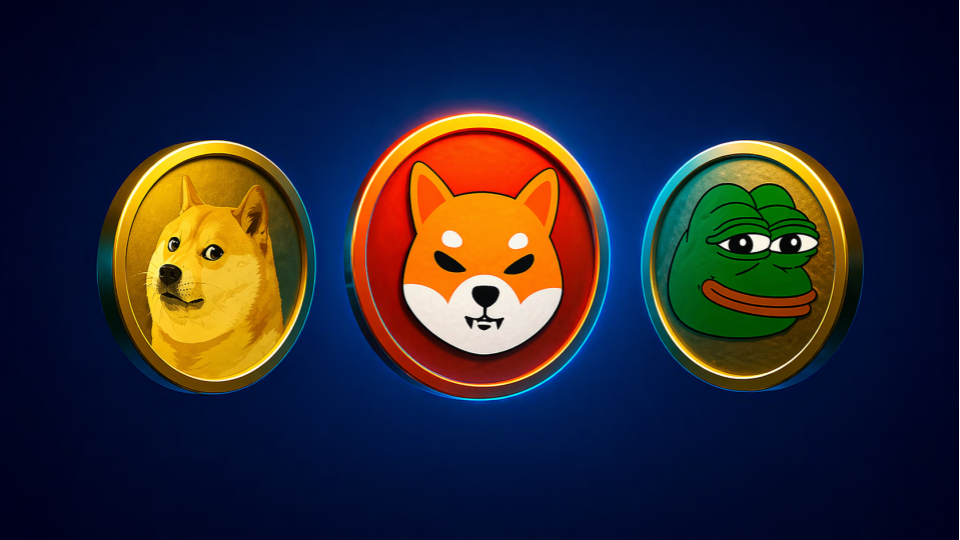
In 2026, traditional brands have finally realized that meme-based assets are synonymous with modern internet culture. Iconic assets like Pepe and Dogecoin have become a permanent part of the digital landscape, remaining relevant despite market fluctuations. Many companies are now integrating these assets into their loyalty programs, using them for promotional giveaways, or even accepting them as payment for physical goods. The brand awareness of a well-known meme is often higher than that of many multi-billion-dollar corporations, making them an incredibly effective marketing tool.
By associating themselves with these viral communities, brands can tap into a highly engaged and vocal audience. This adoption by mainstream businesses provides a level of legitimacy and stability that was previously missing from the meme coin sector. The assets are being used to create recurring touchpoints where customers can interact with a brand in a fun and rewarding way. This shift from speculation to brand engagement represents a new era where digital culture is a primary driver of commercial activity, proving that a good joke can indeed be good for business.
The Secret Technical Roadmaps Turning Gags Into Serious Tools
Perhaps the most surprising development in the 2026 landscape is the serious technical evolution of the original meme coin, Dogecoin. Reports on the growing momentum behind the Dogecoin Foundation’s Community Staking proposal, which explores a potential shift toward a Proof of Stake model. This transition is aimed at allowing ordinary holders to participate in network governance and earn rewards, much like the more serious blockchain projects. The rumors of this smooth upgrade have sparked intense discussion among the mining community and long-term holders.
A transition of this magnitude would fundamentally change the security and energy profile of the network, making it more modern and sustainable. The existence of such a sophisticated roadmap for a project that started as a joke highlights the level of commitment from its developers and community. This evolution proves that even the oldest and most established meme assets are capable of adapting to new technical standards to ensure their continued relevance. The focus is no longer just on maintaining the status quo but on actively improving the network to support a more complex and utility-driven future.
The Technical Leap from Hype-Driven Speculation to Peer-to-Peer Stability
The overall trajectory of the meme coin market in 2026 suggests a move toward a more stable and peer-to-peer-focused future. Phemex reports that institutional interest in these assets has continued to grow, with several tokens now being included in institutional-grade altcoin index products. This institutional support helps to stabilize volatility and provides deeper liquidity for all market participants. The value-seeking stage of the current market cycle means that investors are prioritizing the actual metrics of network performance and utility over social media buzz.
This maturation is a necessary step for the long-term survival of the sector. As the market moves away from the moonshot mentality, we are seeing the emergence of a new class of digital assets that combine the cultural power of memes with the technical stability of traditional financial tools. This evolution is transforming the way we think about money, community, and the internet itself. The success of these projects in building real utility proves that digital culture is not just a distraction but a powerful force that can drive the next generation of financial innovation and global economic cooperation.
FAQ
1. Why is utility becoming more important for meme coins in 2026?
The shift is driven by the need for long-term survival in a mature market. As the initial excitement of viral trends fades, communities must offer functional tools like payment systems and gaming metaverses to maintain value. This evolution turns speculative assets into economic engines that provide tangible rewards for participation.
2. How does Dogecoin’s move to Proof of Stake affect everyday users?
This technical transition allows holders to participate in network security through community staking. Instead of needing expensive mining hardware, users can earn rewards simply by holding and staking their tokens. This makes the network more accessible, energy efficient, and democratic, aligning with its people’s cultural identity.
3. Are meme coins becoming more stable for regular payments?
Yes, deep global liquidity and integration into institutional index products have helped reduce extreme volatility. By functioning as primary liquidity corridors on fast networks, these assets now offer the speed and low cost required for micro transactions, making them more practical for buying goods and services than in previous years.
4. What role does artificial intelligence play in these digital ecosystems?
AI is used to automate community management, moderate social media, and generate fresh content to keep the narrative alive. Some projects even use AI to manage automated token burns and liquidity adjustments. This ensures the ecosystem remains active and engaging 24/7, allowing decentralized communities to scale efficiently without corporate staff.
5. How do virtual worlds like Valhalla provide real value?
These metaverses allow users to earn tokens through skilled gameplay, which can then be used for digital ownership or traded for other assets. By creating a self-contained economy with real-world incentives, these projects ensure there is a constant demand for the token that is driven by entertainment and utility rather than speculation.
6. Can these community-led projects really manage global treasuries?
Through Decentralized Autonomous Organizations (DAOs), token holders vote on every major financial decision. This model provides a level of transparency that traditional banks cannot match. By utilizing collective intelligence, these communities can fund global initiatives, manage physical assets, and drive technical innovation in a completely transparent and public manner.