

From SEC to Congress: Why the US Is Suddenly Embracing Crypto
Introduction
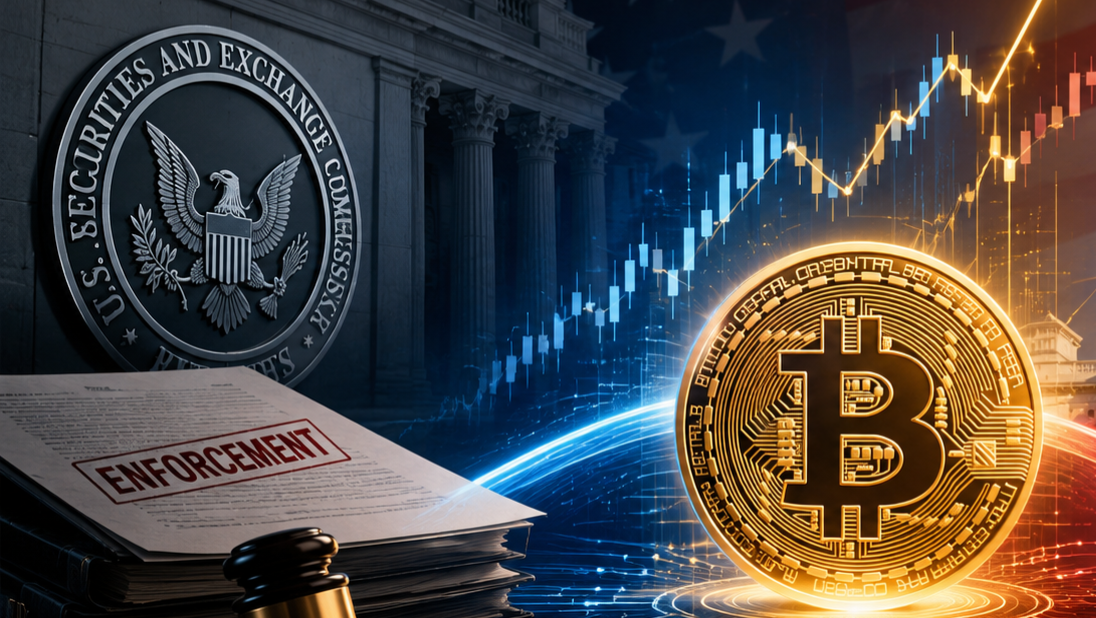
For years, the United States approached crypto with caution, suspicion, and enforcement. The Securities and Exchange Commission became the main force shaping the industry, using lawsuits and warnings to pressure crypto companies and protect investors. But that approach left the market filled with uncertainty, as businesses struggled to understand which rules applied and lawmakers debated how digital assets should fit into the financial system.
Now Washington’s attitude is changing. Instead of treating crypto only as a threat, the U.S. is beginning to see it as a major part of future finance, payments, and global economic competition. The shift from SEC enforcement to congressional rulemaking shows that policymakers are no longer asking whether crypto should exist. They are asking how it should be regulated, who should oversee it, and how America can benefit from it while managing the risks.
From SEC Crackdowns to Congressional Rulemaking
The SEC was the main force shaping crypto regulation in the United States. Instead of waiting for Congress to pass a complete crypto law, the agency used existing securities rules to bring lawsuits against token issuers, exchanges, and crypto platforms. The SEC argued that many digital assets looked like securities because buyers often expected profits from the work of developers, companies, or promoters. This approach helped regulators target risky behavior, but it also created confusion because the industry did not have a clear rulebook to follow.
The problem with relying mainly on enforcement was that each lawsuit only answered a small part of a much larger question. A case against one company could not define how the entire crypto market should operate. Exchanges, stablecoin issuers, wallet providers, token developers, investors, and banks all needed clearer standards. Without those standards, companies faced legal uncertainty and investors struggled to understand which assets were properly regulated.
That is why Congress is now becoming more involved. Lawmakers are trying to create a broader framework that defines which digital assets should be treated as securities, which should be treated as commodities, and which agencies should oversee different parts of the market. This shift from SEC crackdowns to congressional rulemaking shows that Washington is moving from punishment to structure. Crypto is no longer being treated as a case-by-case problem. It is becoming an industry that the U.S. government wants to bring into a clearer, more formal regulatory system.
Key Reasons Why the US Is Suddenly Embracing Crypto
1. Crypto Has Become Too Big to Ignore
The United States is shifting its approach because crypto has grown too large to remain outside a clear legal framework. Millions of Americans own digital assets, major companies are involved in the industry, and crypto markets now influence broader financial discussions. Instead of trying to fight crypto from the outside, Washington is moving toward bringing it inside a regulated system.
2. Regulation by Enforcement Was Not Enough
For years, the SEC relied heavily on lawsuits and enforcement actions to control the crypto industry. While this helped target misconduct, it did not give companies or investors clear rules to follow. Congress is now stepping in because enforcement alone cannot define how an entire digital-asset market should operate.
3. Stablecoins Changed the Political Conversation
Stablecoins made crypto more important to policymakers because they are tied to payments, dollar usage, and financial infrastructure. Since many stablecoins are linked to the U.S. dollar and backed by dollar-based assets, lawmakers now see them as more than speculative crypto products. They may also play a role in strengthening the dollar’s global influence.
4. The US Wants to Compete Globally
The U.S. does not want crypto innovation, investment, and jobs to move overseas to countries with clearer rules. Other regions have already started building digital-asset frameworks, which has increased pressure on Washington to act. By creating crypto regulations, the U.S. hopes to remain a leader in financial technology and global markets.
5. The Crypto Industry Became Politically Powerful
Crypto companies, investors, and advocacy groups have become more organized and influential in Washington. They have pushed the message that the industry needs clear rules rather than constant legal uncertainty. This political pressure has helped move the debate from whether crypto should exist to how it should be regulated.
6. Clear Rules Could Protect Investors Better
Lawmakers also see regulation as a way to make crypto safer for investors. Without clear rules, users may turn to offshore platforms or poorly supervised markets with weaker protections. A formal U.S. framework could require stronger disclosures, safer custody practices, reserve standards, and protections against fraud and market manipulation.
What This Shift Means for the Future of Crypto
Crypto Is Being Pulled Into the Mainstream
The U.S. is not simply giving crypto a free pass. Instead, it is trying to pull the industry into the mainstream financial system. That means crypto firms may gain more legitimacy, but they will also face more rules. Exchanges may need clearer registration standards, stablecoin issuers may need stronger reserve requirements, and token projects may need better disclosures.
This could make the industry more stable over time. It could also reduce the legal uncertainty that has kept some banks, investors, and institutions away from crypto.
The Battle Over Regulation Is Not Over
Even though Washington is becoming more open to crypto, the debate is far from settled. Banks, crypto companies, regulators, investors, and lawmakers all want different things. Banks are worried that stablecoins could compete with deposits. Crypto firms want flexible rules that allow innovation. Regulators want enough authority to prevent fraud and protect consumers.
The final shape of U.S. crypto regulation will depend on how Congress balances these competing interests.
Embracing Crypto Does Not Mean Ignoring the Risks
The phrase “embracing crypto” can be misleading. It does not mean the U.S. government has stopped worrying about scams, volatility, or illegal activity. It means policymakers increasingly believe that the best way to manage those risks is through clear rules rather than uncertainty.
A regulated crypto market could make it easier to identify bad actors, protect customer funds, prevent manipulation, and bring more transparency to digital-asset trading.
The Real Meaning of the SEC-to-Congress Shift
The move from SEC enforcement to congressional action marks a major turning point. It shows that the U.S. now sees crypto as too important to leave undefined. The SEC’s enforcement era exposed the problems, but Congress is now trying to build the structure.
Crypto has not defeated Washington. Washington has decided that crypto is too large, too political, and too financially significant to ignore. The question is no longer whether the U.S. will regulate crypto. The real question is what kind of crypto system the U.S. will build.
The Role of Stablecoins in America’s Crypto Shift
Stablecoins are one of the biggest reasons why the U.S. is suddenly embracing crypto. Unlike Bitcoin or many other cryptocurrencies, stablecoins are designed to maintain a steady value, usually by being linked to the U.S. dollar. This makes them useful for crypto trading, digital payments, remittances, settlement, and moving money across blockchain networks quickly.
For years, the U.S. crypto regulation debate focused mainly on speculation, fraud, and investor protection. Policymakers often viewed digital assets as risky investments that could rise or crash sharply. Stablecoins changed the conversation because they connect cryptocurrency directly to the traditional financial system, the banking sector, and the global role of the U.S. dollar.
This is why Washington now sees stablecoins as both an opportunity and a risk. On one hand, dollar-backed stablecoins could make payments faster, cheaper, and more accessible. They could also increase global demand for U.S. dollars if people around the world use digital dollars for online transactions. In this sense, stablecoins may help strengthen dollar dominance in the digital economy.
On the other hand, stablecoins could create serious financial risks if they are not properly regulated. If a stablecoin issuer does not hold enough reserves, users could lose confidence and rush to redeem their tokens. That kind of panic could hurt consumers and create pressure in broader financial markets. Banks are also concerned that stablecoins could compete with traditional deposits, especially if more people begin holding digital dollars outside the banking system.
Because of these risks, stablecoin regulation has become a major focus for Congress. Lawmakers are looking at rules for reserve requirements, audits, transparency, redemption rights, consumer protection, and regulatory oversight. The goal is to make sure stablecoins are backed by reliable assets and that users can trust they are worth what issuers claim.
Stablecoins show why America’s approach to crypto policy is changing. Crypto is no longer only about speculative tokens or online trading. It is now connected to payments, banking, Treasury markets, financial innovation, and the future of the U.S. dollar. That makes stablecoins too important for Washington to ignore.
By regulating stablecoins, the United States is trying to shape the future of digital money before it develops outside government control. This is one of the clearest signs that the U.S. crypto shift is not just about supporting the industry. It is about protecting investors, strengthening financial oversight, and keeping America at the center of the global digital economy.
Conclusion
The U.S. shift from SEC crackdowns to congressional rulemaking shows that crypto is moving from the margins of finance into the mainstream regulatory system. Washington is no longer treating digital assets only as a threat; it is now trying to build clearer rules for exchanges, stablecoins, investors, and the broader crypto market. This does not mean crypto will be free from oversight. Instead, it means the industry is likely to face more formal regulation, stronger compliance standards, and greater expectations around transparency.
For crypto companies, this new era could bring both opportunity and responsibility. Clearer laws may help serious platforms grow, attract institutional users, and operate with more confidence. At the same time, exchanges will need to show stronger compliance, customer protection, and reserve transparency. Platforms such as KuCoin reflect how global exchanges are adapting to a more regulated environment, while tools like KuCoin Proof of Reserves show why transparency is becoming more important for investor trust.
In the end, America’s crypto shift is not simply about embracing digital assets. It is about controlling the future of digital finance before it develops outside the reach of regulators. The real challenge for the U.S. will be creating rules that protect investors, support innovation, and keep the country competitive in the global crypto economy.
FAQs
1. Why is the U.S. suddenly embracing crypto?
The U.S. is embracing crypto because the industry has become too large and important to ignore. Millions of Americans own digital assets, stablecoins are becoming part of payment discussions, and crypto companies are pushing for clearer rules. Washington now sees regulation as a way to manage crypto rather than fight it from the outside.
2. What role did the SEC play in crypto regulation?
The SEC played a major role by using enforcement actions against crypto companies, exchanges, and token issuers. It argued that many digital tokens may qualify as securities. However, this approach created uncertainty because companies often did not have a clear rulebook to follow.
3. Why is Congress getting involved in crypto?
Congress is getting involved because only lawmakers can create a broad legal framework for the crypto industry. While regulators can enforce existing laws, Congress can define which assets fall under SEC or CFTC oversight, set rules for stablecoins, and create clearer standards for exchanges and investors.
4. Does embracing crypto mean the U.S. is deregulating it?
No. Embracing crypto does not mean removing rules. It means bringing crypto into a clearer regulatory system. The goal is to create rules for investor protection, custody, disclosures, stablecoin reserves, anti-money-laundering controls, and market transparency.
5. Why are stablecoins important to U.S. crypto policy?
Stablecoins are important because they are often tied to the U.S. dollar and can be used for payments, trading, and settlement. Policymakers see them as both a risk and an opportunity. If properly regulated, stablecoins could support digital payments and strengthen global demand for the dollar.
6. How could new crypto rules help investors?
Clear crypto rules could help investors by requiring better disclosures, safer custody practices, stronger reserve standards, and protections against fraud or market manipulation. A regulated market may also reduce reliance on offshore platforms with weaker oversight.
7. What does this shift mean for the future of crypto in the U.S.?
This shift means crypto is likely to become more integrated into the U.S. financial system. Companies may gain more legal certainty, institutions may become more comfortable entering the market, and regulators may have clearer authority. However, the industry will also face more compliance requirements and closer supervision.
Disclaimer: This article is for informational purposes only and does not constitute financial advice. Always conduct your own research before making investment or trading decisions.