


P2P trading Anti-Fraud Guide: Secure Your Funds, See Through the Scams
Protecting your funds is the top priority in convenient P2P trading. Fraud methods are constantly evolving, but the core principles remain the same. This article reveals common scams and provides core prevention strategies to help you become a smart trader.
Part 1: Core Advice for All Users
-
Golden Rule: Confirm Receipt of Funds Before Releasing Assets!
-
Regardless of any "proof" provided by the counterparty (like screenshots, SMS), the only trustworthy confirmation is the funds actually arriving in your bank or e-wallet account. Never release digital assets on the platform before confirming the full amount is received.
-
-
Account Name Consistency Principle
-
The payer's name must exactly match the verified name of the counterparty on the platform. Firmly refuse any "third-party payments," as this is a common feature of chargeback scams and money laundering schemes.
-
-
Communicate Within the Platform, Avoid Off-Platform Transactions
-
All communication and operations should be completed within the official platform's chat room. Never discuss transaction details through external tools like Telegram or WhatsApp, as they are breeding grounds for "middleman scams."
-
-
Choose Reputable Merchants
-
When conducting P2P trades, try to select merchants with a high number of completed orders, a high completion rate, and a low complaint rate. Reputation is built over time, and these metrics are important references for assessing merchant reliability.
-
-
Beware of Abnormal Prices
-
P2P merchant advertised prices generally do not deviate significantly from market rates. Be wary of abnormal quotes – if it seems too good to be true, it probably is.
-
Part 2: Seeing Through Five Classic Scams
Scam 1: Fake Proof Scam (Payment Proof / SMS Scam)
-
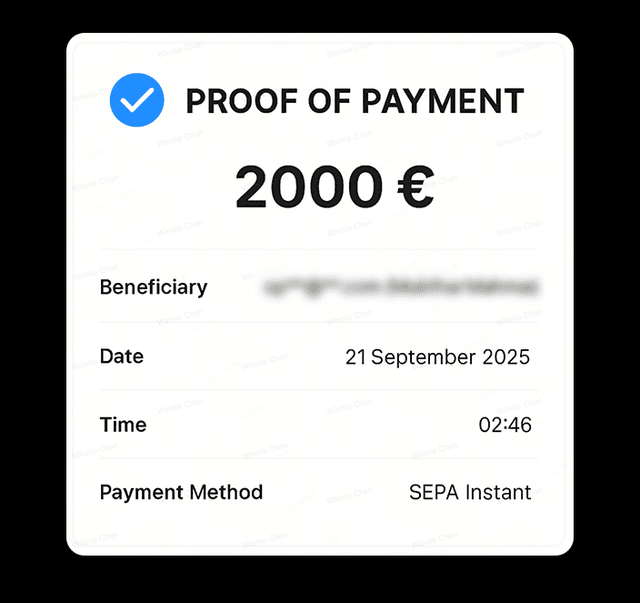
Method: The scammer forges a bank transfer screenshot or imitates an official number/email to send a fake payment received SMS/email, urging you to release coins.
-
Defense: Ignore all proofs. Personally, log into your online banking or wallet app to verify if the funds have actually arrived.
Scam 2: Chargeback Scam & Third-Party Payment
-
Method: The scammer uses a reversible payment method (like a check) or pays via a third-party account, then requests a chargeback after you release coins, causing you to lose both payment and assets.
-
Defense: Strictly adhere to the account name consistency principle. For buyers insisting on using checks or third-party payments, decisively cancel the trade and report them.
Scam 3: Man-in-the-Middle (MitM) Scam
-
Method: The scammer contacts you off-platform, posing as a sincere buyer/seller. They provide a third-party bank account and ask you to paste its details into the platform chatroom of another legitimate buyer. The result: the real buyer sends money to the scammer, and you release coins to the real buyer.
-
Defense: Firmly refuse any transaction discussions outside the platform. Complete all operations and communication within the official chat room.
Scam 4: Triangular Scam
-
Method: This is a complex combined scam. Two scammers (A and B) place orders with you simultaneously. Scammer B pays for Order A but uses the "proof" of this payment to urge you to release coins for Order B. If you don't carefully check the payer information, you might release assets for two orders while only receiving payment for one.
-
Defense: verify each transaction individually. For every order, separately and carefully check the bank account to confirm the full amount came from the correct payer.
Scam 5: Impersonation Scam
-
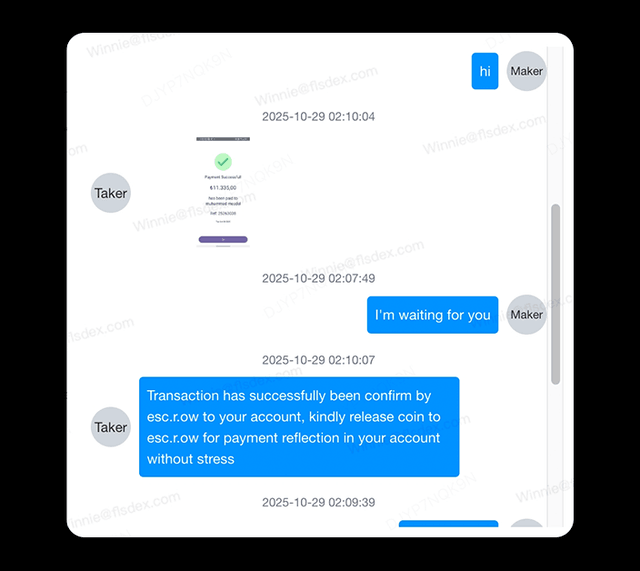
Method: The scammer impersonates official customer service (in the chatroom or via email), claims the buyer has paid, and asks you to transfer assets to a certain "security account" to complete the transaction.
-
Defense: Remember, official customer service will never ask you to transfer to an unfamiliar address or request early coin release during a transaction. All operations should follow the platform's standard procedures.
Part 3: Special Reminders for Merchants
-
Beware of Money Laundering Traps: Be cautious of frequent, large-volume trades with fixed users. Behaviors like the same user making multiple intermittent purchases within a day, or buying and selling within a short period, are highly suspicious of money laundering. Engaging in such transactions may result in your account being flagged, restricted, and could even expose you to legal liability.
Disclaimer: The information on this page may come from third parties and does not necessarily reflect the views or opinions of KuCoin. This content is for reference only and does not constitute any form of representation or warranty, nor should it be construed as financial or investment advice. KuCoin is not responsible for any errors or omissions, or for any outcomes resulting from the use of this information. Investing in virtual assets may involve risks. Please carefully assess the product risks and your risk tolerance based on your financial situation. For more information, please refer to our Terms of Use and Risk Disclosure.