


What is the Difference Between Hot Wallets vs. Cold Wallets?
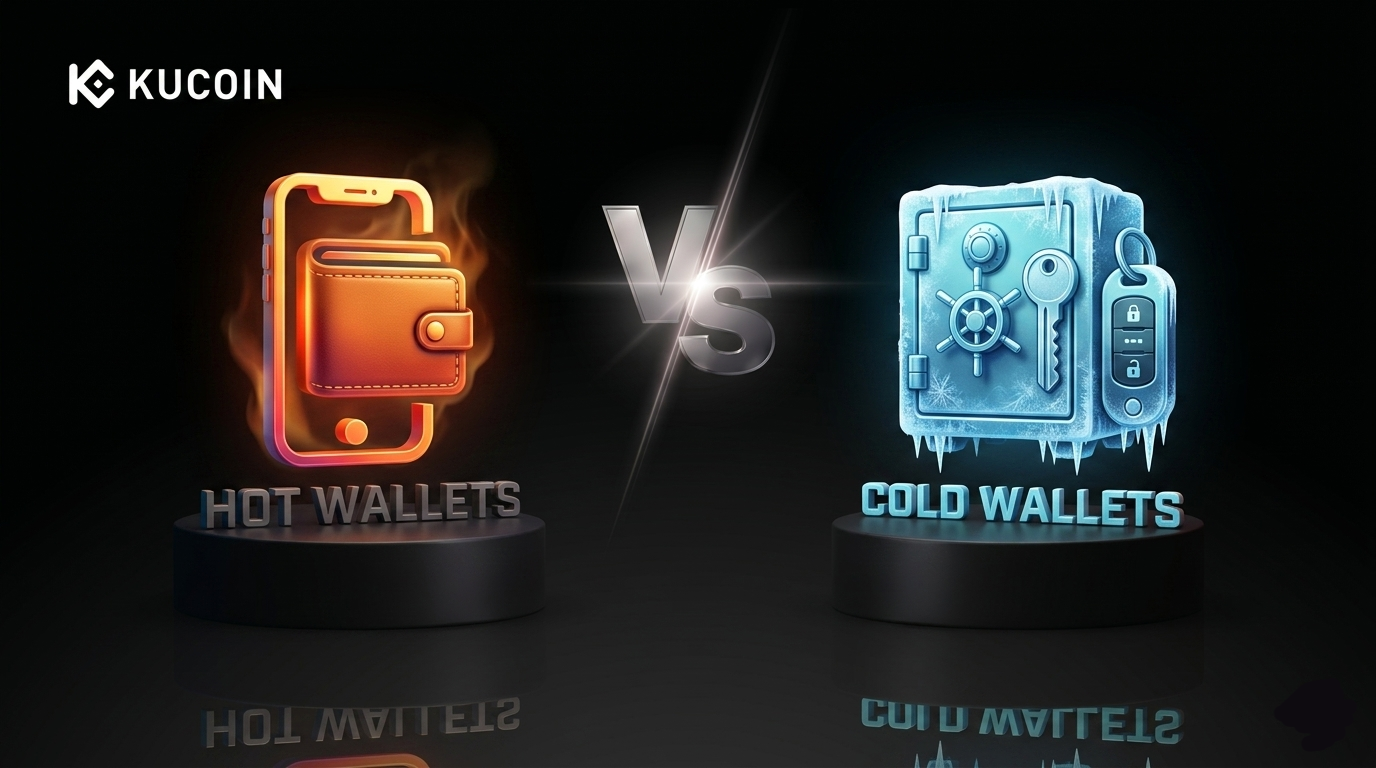
Key Takeaways
-
Connectivity and Access: Hot wallets maintain a persistent connection to the internet for immediate transaction capability, while cold wallets remain offline to provide an air-gapped security environment.
-
Vulnerability Vectors: Hot wallets are primarily exposed to remote cyber threats such as malware and phishing, whereas cold wallets are susceptible to physical damage or loss of the hardware device.
-
Operational Utility: Software-based hot wallets are designed for frequent interactions with decentralized protocols, while hardware-based cold wallets are structured for long-term asset preservation.
-
Private Key Management: The fundamental distinction lies in where private keys are generated and stored, determining the degree of exposure to network-based exploits.
In the digital asset ecosystem, the security of holdings is determined by the management of private keys. These keys are cryptographic signatures required to authorize transactions on a blockchain. The industry categorizes storage solutions based on their connectivity to the internet: hot wallets and cold wallets.
For participants navigating the crypto markets, a thorough "Hot Wallets vs. Cold Wallets: Risk Assessment" is essential for developing a secure custodial strategy. While the blockchain ledger itself is immutable, the point of entry—the wallet is the primary target for unauthorized access. Understanding the technical architecture and risk profiles of these two storage methods is fundamental to protecting digital wealth. Technical breakdowns of emerging security standards are frequently analyzed on the KuCoin blog.
Hot Wallets: Technical Architecture and Risks
Hot wallets are software-based applications that run on internet-connected devices, such as smartphones, desktops, or web browsers.
-
Mechanisms of Operation
Hot wallets store private keys in an encrypted format within the device's application folder. Because these wallets are connected to the network, they can communicate with blockchain nodes in real-time. This allows users to sign transactions and broadcast them to the network with minimal latency. Common forms include mobile applications, browser extensions, and custodial wallets provided by exchanges.
-
Risk Assessment: Remote Vulnerabilities
The primary risk associated with hot wallets is their constant exposure to the internet. This connectivity introduces several attack vectors:
-
Phishing and Social Engineering: Malicious actors may use deceptive websites or communications to trick users into revealing their recovery phrases.
-
Malware and Keyloggers: If the underlying operating system is compromised, attackers can capture keystrokes or intercept private keys as they are being used.
-
Supply Chain Attacks: Vulnerabilities within the wallet’s software code or its dependencies can be exploited to gain unauthorized access to funds.
Despite these risks, hot wallets are necessary for interacting with decentralized exchanges (DEXs) and non-fungible token (NFT) marketplaces where speed and connectivity are required.
Cold Wallets: Technical Architecture and Risks
Cold wallets refer to any storage method that keeps private keys completely offline. The most common form is a hardware wallet, a physical device designed specifically to secure cryptographic keys.
-
Mechanisms of Operation
Cold wallets function through an "air-gap" principle. When a user wishes to make a transaction, the transaction data is sent to the offline device, signed internally using the private key, and then sent back to an online interface to be broadcast. The private key never leaves the hardware device and is never exposed to an internet-connected environment.
-
Risk Assessment: Physical and Human Factors
While cold wallets neutralize remote hacking risks, they introduce a different set of vulnerabilities:
-
Physical Loss or Theft: If the hardware device is lost or stolen, the user must rely on a backup seed phrase to recover their funds.
-
Seed Phrase Exposure: The physical backup of the recovery phrase (often 12 to 24 words) becomes the single point of failure. If this phrase is found by an unauthorized party, the offline status of the wallet provides no protection.
-
Hardware Failure: Physical devices can suffer from component degradation, water damage, or electrical failure, necessitating the use of recovery procedures.
For institutional-grade security, users often monitor official announcements regarding firmware updates for their hardware devices to ensure protection against newly discovered physical extraction techniques.
Comparative Analysis: Functionality vs. Security
The choice between hot and cold storage involves a trade-off between accessibility and the degree of isolation from network threats.
| Feature | Hot Wallets (Online) | Cold Wallets (Offline) |
| Primary Format | Mobile App, Browser, Desktop | Hardware Device, Paper, Metal |
| Connectivity | Connected to Internet | Air-gapped / Offline |
| Transaction Speed | High / Near-instant | Lower (Requires physical input) |
| Security Focus | Protection against OS exploits | Protection against remote hacking |
| Cost | Usually free | Upfront hardware cost |
| Complexity | User-friendly / Intuitive | Moderate technical requirement |
Interaction with the Ecosystem
Within the KuCoin ecosystem, participants often utilize a hybrid approach. This involves keeping a small percentage of assets in a hot wallet for active trading and utility, while the majority of long-term holdings are moved to cold storage. The KuCoin lite version serves as a simplified interface for those who manage assets frequently, while the professional platform supports integration with various wallet types for advanced users.
Risk Mitigation Strategies
An effective risk assessment leads to the implementation of specific security protocols designed to minimize the impact of a potential breach.
Multi-Factor Authentication (MFA)
For custodial hot wallets, the use of hardware-based MFA (such as U2F keys) adds a layer of security that traditional SMS-based codes cannot provide. This ensures that even if a password is compromised, the account remains inaccessible without the physical security key.
Multi-Signature (Multi-Sig) Configurations
Multi-sig wallets require more than one private key to authorize a transaction. For example, a "2-of-3" configuration requires two separate keys to sign a transaction. By splitting these keys between different hot and cold storage environments, the risk of a single point of failure is significantly reduced.
Seed Phrase Redundancy
For cold storage, the physical backup of the seed phrase is often stored on fireproof and waterproof materials, such as stainless steel or titanium. This protects the recovery of information from natural disasters and physical deterioration over decades.
Conclusion
The distinction between hot and cold wallets is defined by the balance of risk and utility. Hot wallets provide the necessary connectivity for active participation in the digital economy but require high vigilance against remote cyber threats. Cold wallets offer the highest level of protection against network-based attacks by maintaining a permanent air-gap, yet they demand strict physical security and meticulous backup management.
As blockchain technology continues to evolve, the integration of hardware security modules and account abstraction may further refine these categories. However, the fundamental principle of "Hot Wallets vs. Cold Wallets: Risk Assessment" remains constant: the security of digital assets is proportional to the degree of control and isolation applied to private keys.
FAQs
Can a cold wallet be hacked remotely?
No. Because the private keys in a cold wallet never interact with the internet, a remote attacker cannot access them. Unauthorized access generally requires physical possession of the device and its PIN, or access to the backup seed phrase.
Is an exchange wallet a hot wallet?
Yes. Most exchange wallets are custodial hot wallets. While the exchange may hold a large portion of its total reserves in cold storage, the individual deposit addresses used by customers are online and integrated with the exchange's transaction engine.
What happens if I lose my hardware wallet?
As long as you have your 12 or 24-word recovery phrase (seed phrase), you can restore your wallet on a new hardware device or a compatible software wallet. The funds exist on the blockchain, not inside the physical device itself.
Which wallet type is better for beginners?
Hot wallets are often preferred by beginners due to their ease of use and lack of upfront cost. However, as the value of the assets increases, transitioning to cold storage is a standard practice for reducing long-term risk.
Are paper wallets considered cold storage?
Yes. A paper wallet is a form of cold storage because the private key is printed on a physical medium and kept offline. However, they are less common today as hardware wallets provide more security features and ease of use.
Join 30 million global users on the world’s leading crypto exchange by signing up for your free account now. Register Now!
Further reading