

KuCard vs Crypto.com Card: Comparison for Australians (2026)
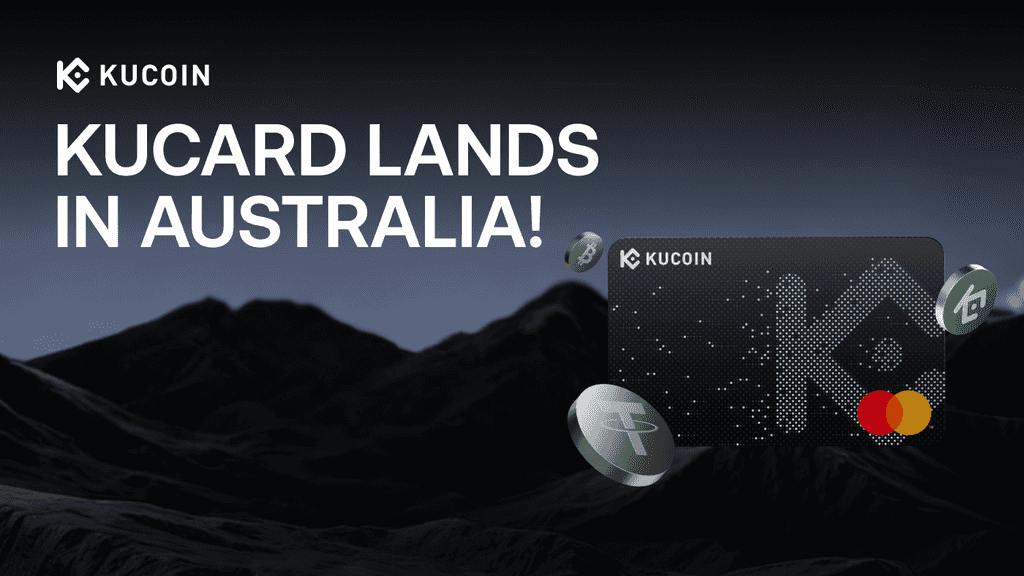
Crypto payment cards have moved well past novelty status in Australia. For anyone already holding digital assets on an exchange, the idea of spending that crypto on everyday merchants — without manually converting it first — has clear practical appeal. Two names that come up regularly in this space are the Crypto.com Card, which has been available to Australian residents for several years, and KuCard, KuCoin's Mastercard-powered crypto debit card expanding to more markets, including Australia.
This guide walks through both products side by side: how each card actually works, how their reward programmes are structured, what fees apply under different usage scenarios, and what Australian users should keep in mind before signing up for either.
Australians can stay updated on KuCard's local availability and KuCoin's broader product suite through KuCoin Australia.
How Each Card Works
Both cards operate on the Mastercard network as prepaid debit products, meaning they are not credit cards and do not involve credit assessments. Funds need to be available before a transaction can go through, and neither card is linked to a traditional bank account.
KuCard converts cryptocurrency to the local transaction currency at the point of sale. When a cardholder makes a purchase, the card draws from their supported crypto balance on KuCoin in USDC, and converts it to the merchant's currency in real time. Users can configure the order in which assets are drawn from, which gives some flexibility for those managing multiple balances. A virtual card is available immediately upon activation, and a physical card will also be available in the future.. The card connects to both Apple Pay and Google Pay for contactless payments.
The Crypto.com Card works differently at the settlement layer. Rather than converting at point of sale, funds are pre-converted to fiat (AUD for Australian cardholders) when the card is topped up. The card balance is then held in fiat and spent like a standard prepaid card. This means crypto-to-fiat conversion happens at the top-up stage rather than the purchase stage — a distinction that affects both the FX timing and the ATO tax treatment of transactions. The card is managed entirely through the Crypto.com app, which handles KYC, balance top-ups, CRO staking, and reward tracking. In Australia, the card does not currently support Apple Pay or Google Pay.
How the Rewards Programmes Compare
This is where the two products diverge most significantly, and it is also where the most important conditions and risks sit.
KuCard cashback is earned on eligible everyday purchases — groceries, dining, fuel, online shopping — and credited monthly on the 15th of the following month. The cashback rate starts at 1% for KuCoin VIP 0 users and rises through higher VIP tiers, up to 3% during standard periods. Rewards are paid in the cardholder's chosen supported cryptocurrency. ATM withdrawals, EUR-denominated transactions, and cash advances do not qualify.
Crypto.com cashback is paid in CRO tokens and structured across six tiers that are accessed either through CRO staking (locked for a minimum of 180 days) or through the platform's Level Up subscription programme. The entry-level Midnight Blue card requires no stake and no subscription, but it also earns 0% cashback. Meaningful rewards kick in from the Ruby Steel tier upward, which requires either staking approximately A$600–A$700 equivalent in CRO or holding a Level Up Plus subscription. The table below summarises the tier structure based on official Crypto.com documentation as of March 2026.
| Tier | Staking requirement (approx.) | Cashback rate | Monthly cashback cap | Free ATM limit |
| Midnight Blue | None | 0% | None | A$200/month |
| Ruby Steel | ~A$600–700 CRO | 2% in CRO | A$25 | A$400/month |
| Royal Indigo / Jade Green | ~A$6,000–7,000 CRO | 3% in CRO | A$75 | A$800/month |
| Icy White / Rose Gold | ~A$60,000+ CRO | 3% in CRO | A$400 | A$1,000/month |
| Obsidian | ~A$700,000+ CRO | 5% in CRO | Uncapped | A$1,000+/month |
Data sourced from Crypto.com official documentation and fee schedule, March 2026. AUD equivalents are approximate and subject to CRO price fluctuations. Tiers and staking requirements are subject to change.
A few things worth understanding about the Crypto.com rewards structure before treating headline rates as the full picture. The monthly cashback caps at lower tiers are relatively tight — at Ruby Steel, a cardholder who spends A$5,000 in a month would still receive at most A$25 in CRO cashback. At the Jade Green tier, that cap rises to A$75. The CRO staking requirement also means funds are locked and inaccessible for 180 days, during which the AUD value of the staked amount moves with the CRO market. A drop in CRO price over the staking period reduces the real value of both the stake and the rewards earned.
For both cards, cashback is paid in cryptocurrency and therefore subject to market volatility after it is credited. Neither programme offers cashback with a fixed fiat value.
Fees and Card Structure
The table below compares fee structures across both products based on official documentation.
| Feature | KuCard | Crypto.com Card (AU) |
| Card type | Prepaid debit | Prepaid debit |
| Issuance fee | Free for the first virtual card 9.99 USDC for the second and following application per card |
Varies by tier; Ruby Steel A$49.99 (conditions apply) |
| Annual / maintenance fee | Free | No annual fee; A$5/month inactivity fee after 12 months of no activity |
| Foreign transaction fee | 1% of transaction total | 3% on non-AUD transactions (Midnight Blue through Jade Green tiers) |
| ATM fee above free limit | 2% | 2% |
| Apple Pay / Google Pay | Supported | Not available for AU-issued cards (as of March 2026) |
| Cashback currency | Cardholder's chosen crypto | CRO tokens only |
| Staking required | No | Yes, for most cashback tiers (180-day lock) |
Data sourced from KuCoin official support documentation and Crypto.com Australian fee schedule. Verified March 2026. This table is for educational purposes only and does not constitute a recommendation. Fees and features are subject to change — verify current terms directly with each provider before applying.
Users tracking crypto asset prices across multiple platforms can refer to live market data on KuCoin Australia.
Applying in Australia
Crypto.com is currently available to Australian residents. The application process is handled through the Crypto.com app: download, complete KYC with a government-issued ID, and choose a card tier. For tiers above Midnight Blue, the relevant CRO stake or Level Up subscription needs to be set up before the card benefits activate. Physical card delivery timeframes vary.
KuCard launched initially in the EEA market and is in the process of expanding to additional regions including Australia. Australians with existing KuCoin accounts can prepare in advance — KYC verification on KuCoin follows standard identity document requirements. Confirmed eligibility details for Australian applicants will be published through KuCoin Australia's announcements page when the local launch is confirmed.
Those interested in setting up a KuCoin account ahead of the KuCard Australian launch can sign up on KuCoin Australia.
What Australian Users Should Think About
A few considerations specific to the Australian context are worth addressing directly, beyond the headline fee and reward comparisons.
Tax treatment. The ATO treats cryptocurrency as a capital gains tax asset. For KuCard, converting crypto to fiat at point of sale likely constitutes a CGT event for each transaction. For Crypto.com, the conversion happens at top-up rather than at point of sale, which may affect how and when CGT events are recognised. The tax treatment of crypto card transactions is not straightforward, and the specifics depend on individual circumstances. Consulting a tax professional with crypto experience is advisable before using either card for regular spending.
Reward value in fiat terms. Both cards pay rewards in cryptocurrency, which means the AUD value of any cashback earned is not fixed. A month's worth of CRO or BTC cashback may be worth more or less when you actually access it, depending on market conditions at the time. This is different from how cashback on a standard credit card works.
Platform and counterparty risk. Both products are tightly integrated with their respective platforms — KuCard requires a KuCoin account, and the Crypto.com card cannot function without access to the Crypto.com app. Platform-level disruptions, account freezes, or regulatory changes affecting either company would directly affect card usability. This is a category of risk that does not exist with a standard bank-issued debit card.
Regulatory landscape. Australia's financial services regulatory framework for crypto-related products continues to develop. ASIC's guidance (RG 234) on digital product disclosure applies to how such products are marketed, and the broader licensing environment for crypto exchanges is evolving. Users should be aware that product terms, regional availability, and regulatory requirements can change.
Final Thoughts
KuCard and the Crypto.com Card are built around the same basic function — turning crypto holdings into spendable balances — but they approach the rewards side quite differently. KuCard ties cashback to platform activity levels with no staking requirement, while Crypto.com's programme is structured around CRO staking tiers with meaningful monthly caps at lower levels and significant capital lock-up requirements for higher ones.
Neither approach is inherently superior. The right product for any given user depends on factors this article cannot assess: how much they hold on each platform, their tax position, their comfort with staking lock-ups, and their overall crypto card usage patterns. Australians considering either card should read the full fee schedule and current terms directly with each provider before applying.
For updates on KuCard's Australian availability, visit KuCoin Australia or create an account to be ready when the local launch is confirmed.
Disclaimer
Axis One Markets Pty Ltd is a Corporate Authorised Representative of Immersve Pty Ltd (ACN 658 192 057, AFSL No. 545925) and is authorised to provide certain financial services in respect of 'KuCard' on Immersve's behalf, limited to the scope of its Corporate Authorised Representative agreement with Immersve Pty Ltd. 'KuCard' is issued or provided by Immersve Pty Ltd, and it is solely responsible for the issuance of that product, including all associated disclosures and obligations under its Australian financial services licence. Immersve Pty Ltd is not responsible for any financial products or services issued by Echuca Trading Pty Ltd. Before acquiring or using any such financial product or service, you should read the relevant Product Disclosure Statement ("PDS"), Financial Services Guide ("FSG"), Target Market Determination ("TMD"), and any other disclosure documents issued by Immersve Pty Ltd.