



Alert! PayID Scams Targeting Australian Crypto Users & How to Secure Your AUD Assets
2026/01/12 09:42:02
With the 2026 maturation of the Australian crypto regulatory framework, more investors are utilizing local bank transfers via PayID for seamless deposits. However, according to the latest data from the National Anti-Scam Centre (NASC), "social engineering" scams targeting exchange users are on the rise. Recognizing these tactics is your first line of defense.
-
Identifying the Three Fatal PayID Traps
The "Account Upgrade" or "Deposit" Scam
This is currently the most prevalent PayID fraud. Scammers, often posing as P2P sellers or support staff, claim your transfer is blocked because your PayID is not a "Business Account" or has reached a "limit." They then send a sophisticated fake email—mimicking PayID or a major bank—asking you to pay an "activation fee" or "refundable deposit" to upgrade.
-
The Reality: PayID is a service provided by Australian banks; there is no such thing as a "Business Upgrade Fee," and PayID will never contact individuals directly to solicit funds.
High-Fidelity Fake Deposit Receipts
In P2P or OTC transactions, scammers may send a screenshot of a transfer that looks identical to a genuine bank receipt (featuring bank logos and correct timestamps). They use UI templates from major banks like CommBank, NAB, or Westpac to pressure you into releasing crypto immediately.
-
Verification Tip: Never rely on a screenshot provided by a third party. Always log in to your own banking app to confirm the "Cleared Funds" are in your balance before proceeding.
Impersonation of Exchange Support (Spoofing)
Using caller ID spoofing, scammers can make their calls appear as if they are from KuCoin’s official line or an Australian regulator. They may claim your account is under investigation for "money laundering" and instruct you to move funds to a "Secure Government Vault" or a "Temporary Audit Account" via PayID.
-
The Reality: Regulated platforms will never ask for your password, 2FA codes, or request you to transfer funds to a specific PayID for "verification" purposes over the phone.
-
Guide: How to Verify Official Exchange Deposit Accounts
-
The "Single Path" Rule: Only obtain payment information directly from the official KuCoin App or Website via the [Deposit/Buy Crypto] page. Never trust PayID details provided via Telegram, WhatsApp, or private social media messages.
-
Verify the Payee Name: Official deposit accounts will typically appear as kucoin or its regulated payment partner. If the PayID name is an individual’s personal name, stop the transaction immediately.
-
Utilize Verification Tools: * Use the "Official Media Verification" tool on our website to check the authenticity of any contact info.
-
When depositing for the first time, consider a small test transfer (e.g., $1 AUD) to confirm the speed and accuracy of the destination.
-
-
Account Protection: Building Your Asset Fortress
-
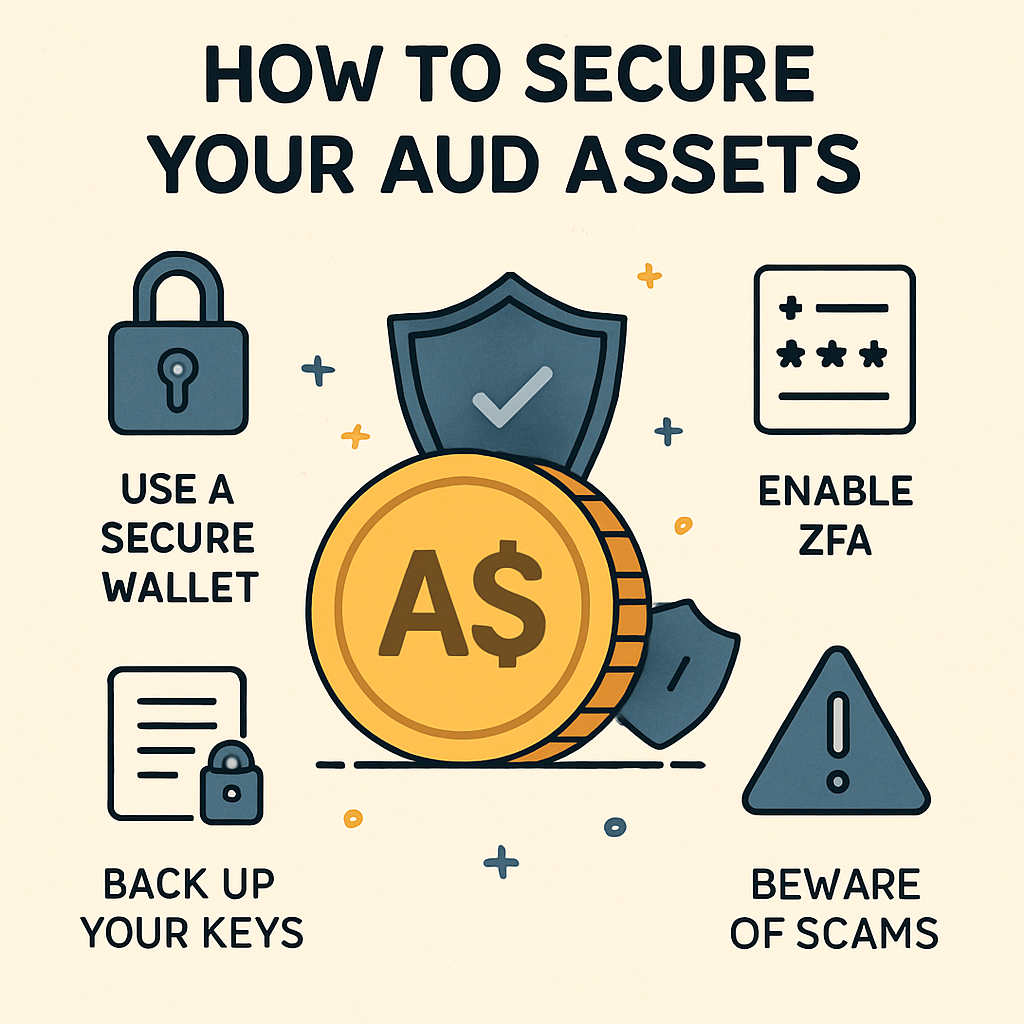
Enable Advanced Security: Ensure your account has Google Authenticator (2FA) and an Anti-Phishing Code enabled. The Anti-Phishing Code helps you distinguish genuine platform emails from fraudulent ones.
-
Maintain Calm, Reject Urgency: A scammer’s greatest weapon is "manufactured urgency." If someone insists a transaction must be completed within minutes to avoid a "freeze," it is almost certainly a scam.
Conclusion
In the crypto world, the golden rule remains: "Don't Trust, Verify." As a compliant platform, we provide the secure infrastructure, but the final line of defense is your vigilance.
If you encounter any suspicious PayID requests or have doubts about a transaction, please contact our 24/7 official customer support immediately.
Disclaimer: This article is for educational and security awareness purposes only and does not constitute financial or investment advice. Trading cryptocurrency involves significant risk; please participate based on your individual financial situation.