

ETH to BTC قیمت تناسب حکمت عملی: منافع بخش اثاثہ مختص پلان بنانے کے لیے مکمل رہنما
2025/12/01 18:06:02
کرپٹوکرنسی کی تیز رفتار دنیا میں، Bitcoin (BTC) اور Ethereum (ETH) دو اہم قوتیں ہیں جو عالمی ڈیجیٹل اثاثہ منظرنامے کو چلا رہی ہیں۔ Bitcoin، اپنی "ڈیجیٹل گولڈ" کی کہانی کے ساتھ، قدر کے ذخیرہ اور استحکام کی علامت ہے، جبکہ Ethereum Decentralized Finance (DeFi) اور Web3 کی جدت اور اعلیٰ ترقی کی صلاحیت کی نمائندگی کرتا ہے۔
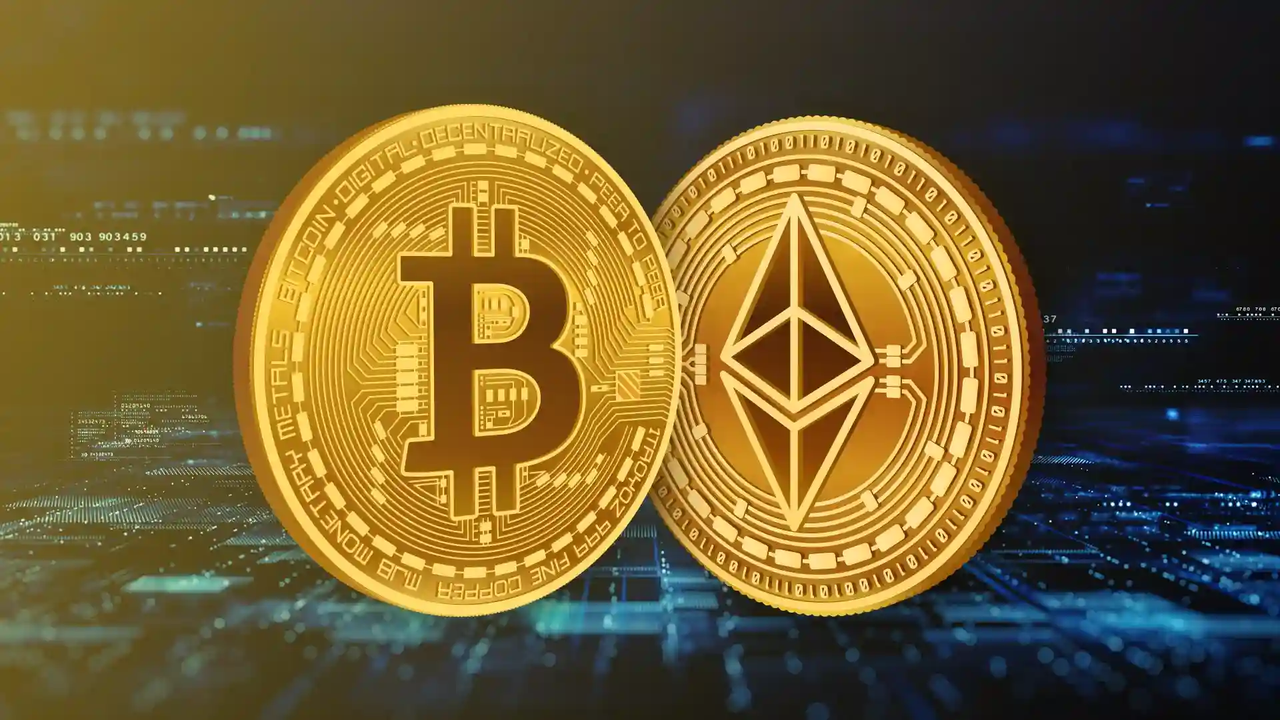
ماخذ:Token Metrics
ماہر کرپٹو سرمایہ کاروں کے لیے صرف BTC یا ETH کی امریکی ڈالر قیمت کا مشاہدہ کافی نہیں ہوتا۔ حقیقی حکمت عملی کا فائدہ دونوں کے درمیان تعلق کو سمجھنے میں ہے۔ اس تعلق کی اصلETH BTC قیمت تناسب.
ہے۔ETH BTC قیمت تناسبمحض ایک تبادلے کی شرح سے زیادہ ہے؛ یہ ایک طاقتور کرپٹو مارکیٹ "کمپاس" ہے جو سرمایہ کے بہاؤ، سرمایہ کاروں کی خطرے کی بھوک، اور آنے والے بل سائیکل کے غالب بیانیے کی درست پیمائش کرتا ہے۔ یہ مضمون اس تناسب کی حکمت عملی کے اہمیت، اس کے عوامل، اور عملی "کرپٹو پورٹ فولیو مختص حکمت عملیوں" کی گہری وضاحت فراہم کرے گا تاکہ آپETH BTC قیمت تناسب استعمال کرتے ہوئے منافع کمانے کا طریقہ.
سمجھ سکیں۔ I. ETH BTC قیمت تناسب کی بنیادی اہمیت کو سمجھنا
-
تناسب کی تعریف اور مارکیٹ کی تشریح
ETH BTC قیمت تناسبکا حساب Ethereum کی قیمت کو Bitcoin کی قیمت سے تقسیم کرکے کیا جاتا ہے۔
$$\text{ETH BTC قیمت تناسب} = \frac{\text{ETH کی قیمت}}{\text{BTC کی قیمت}}$$
اس تناسب کی قدر عام طور پر یہ ظاہر کرتی ہے کہ ایک ETH کے کتنے BTC کے برابر ہے۔ مثال کے طور پر، ایک تناسب$$0.0$$کا مطلب ہے کہ 1 ETH کی مالیت$$0.0$$BTC ہے۔
-
تناسب میں اضافہ (ETH کی کارکردگی BTC سے بہتر ہوتی ہے):جب تناسب بڑھتا ہے تو یہ اشارہ دیتا ہے کہ سرمایہ BTC سے ETH میں جا رہا ہے، یا ETH کی کارکردگی BTC سے بہتر ہو رہی ہے۔ یہ عام طور پر بل مارکیٹ کے درمیانی سے آخری مراحل میں ہوتا ہے۔سرمایہ کاروں کے خطرے کے رجحان میں اضافہ ہوتا ہے، اور وہ ETH اور اس کے ایکوسسٹم کی جانب سے پیش کیے گئے زیادہ ممکنہ منافع کا تعاقب کرتے ہیں۔ یہ Altcoin Season.
-
کا ابتدائی اشارہ ہے۔ **گرتا ہوا تناسب (BTC کی ETH پر زیادہ کارکردگی):** جب تناسب کم ہوتا ہے، اس کا مطلب ہے کہ سرمایہ ETH سے BTC کی جانب منتقل ہو رہا ہے۔ یہ اکثر bear markets یا بل مارکیٹ کے ابتدائی مراحل کے دوران ہوتا ہے، جہاں سرمایہ کار خطرے سے بچنے کی طرف مائل ہوتے ہیں اور "ڈیجیٹل گولڈ" یعنی بٹکوائن کو محفوظ سمجھتے ہوئے اپنے سرمایہ کو واپس منتقل کرتے ہیں۔ **ETH BTC لائیو تناسب چارٹ کی اہمیت:**
-
پیشہ ور سرمایہ کاروں کو مستقل طور پر
ETH BTC لائیو تناسب چارٹ کی نگرانی کرنی چاہیے۔ یہ چارٹ مارکیٹ گھماؤ کے رجحانات کا تجزیہ کرنے کے لیے بنیاد ہے۔ اس چارٹ پر سرمایہ کار اہم تکنیکی سپورٹ اور ریزسٹنس سطحوں کو دیکھتے ہیں۔ ان نازک زونز سے اوپر کا بریک آؤٹ یا نیچے کا بریک ڈاؤن اکثر سرمایہ کے بہاؤ میں بڑی تبدیلی کی پیش گوئی کرتا ہے، اثاثہ تبدیل کرنے کے لیے بہترین وقت فراہم کرتا ہے۔ **II. ETH BTC قیمت تناسب میں تبدیلی کے پانچ کلیدی عوامل**
ETH BTC قیمت تناسب میں حرکت بے ترتیب نہیں ہوتی؛ یہ درج ذیل پانچ بنیادی محرکات کے زیر اثر ہوتی ہے: **Ethereum کے بنیادی اپ گریڈ اور سپلائی ڈیفلیشن:**
Ethereum کا PoS کی جانب منتقلی (The Merge) اور فیس برننگ میکانزم (EIP-1559) نے اس کے معاشی ماڈل کو بنیادی طور پر تبدیل کر دیا ہے، جس سے یہ بڑھتے ہوئے ڈیفلیشنری ہو گیا ہے۔ یہ بنیادی اپ گریڈ ETH کی اندرونی قیمت کو نمایاں طور پر بڑھاتی ہیں۔ جب بھی Ethereum کامیابی کے ساتھ بڑے تکنیکی بہتری (جیسے scalability enhancements یا گیس فیس میں کمی) کو نافذ کرتا ہے، تو یہ BTC کے مقابلے میں اس کا بنیادی فائدہ مضبوط کرتا ہے، جس سے عام طور پر
ETH BTC قیمت تناسب بڑھتا ہے۔ **مارکیٹ کا خطرے کا رجحان اور سرمایہ کی حرکت:**
یہ تناسب میں قلیل مدتی تبدیلیوں کو متاثر کرنے والا بنیادی عنصر ہے۔
**زیادہ خطرے کا رجحان:**
-
جب مارکیٹ کا رجحان بلند ہو اور میکرو اکنامک ماحول خوش آئند ہو، تو سرمایہ کار زیادہ خطرہ لینے کے لیے تیار ہوتے ہیں۔ سرمایہ Ethereum اور اس کے ایکوسسٹم میں منتقل ہوتا ہے، جس سے تناسب بلند ہوتا ہے۔ **کم خطرے کا رجحان:**
-
مارکیٹ میں خوف یا غیر یقینی کے اوقات میں، سرمایہ محفوظ راستوں کی تلاش کرتا ہے، BTC کی طرف منتقل ہوتا ہے اور تناسب کو کم کرتا ہے۔ یہ سائیکلیکل تبدیلی مارکیٹ گھماؤ اور ETH/BTC تناسب کے تجزیے کا مرکزی حصہ ہے۔ **DeFi اور NFT ایکوسسٹم کی سرگرمی:** .
ایتھیریم (Ethereum) ڈیفائی (DeFi) اور این ایف ٹیز (NFTs) کے لیے ایک غالب پلیٹ فارم ہے۔ جب ان سیکٹرز میں تیزی سے ترقی ہوتی ہے، تو ETH کی طلب بطور کولیٹرل، ٹرانزیکشن فیول (گیس) اور ایکوسسٹم گورننس ٹوکن کے طور پر بڑھتی ہے۔ یہ اندرونی طلب براہ راست ETH BTC پرائس ریشو کو اوپر لے جاتی ہے۔ اس کے برعکس، اگر سولانا (Solana) یا ایوالانچ (Avalanche) جیسے مقابل پلیٹ فارمز نمایاں طور پر زیادہ ایکوسسٹم کی سرگرمی دکھائیں، تو یہ ریشو پر نیچے کی جانب دباؤ ڈال سکتا ہے۔
ادارہ جاتی دلچسپی اور الاٹمنٹ کی ترجیحات
ادارہ جاتی سرمایہ کاروں کی BTC اور ETH کے لیے الاٹمنٹ کی ترجیحات بھی اس ریشو پر اثر ڈالتی ہیں۔ مثال کے طور پر، اگر ریگولیٹرز زیادہ Ethereum ETFs یا مالیاتی مصنوعات کی منظوری دیتے ہیں، جس سے بڑے پیمانے پر سرمایہ ETH میں آتا ہے، تو یہ ادارہ جاتی ایکسپوژر کو بڑھانے کا اشارہ دیتا ہے، جو ریشو کو بڑھانے کے لیے ایک مضبوط عنصر کے طور پر کام کرتا ہے۔ ادارے BTC کو عموماً "ویلیو کا ذخیرہ" اور ETH کو "پروگرام ایبل منی" یا "ڈیجیٹل آئل" کے طور پر دیکھتے ہیں۔
میکرو لیکویڈیٹی اور انٹرسٹ ریٹ کا ماحول
عالمی میکرو لیکویڈیٹی کا ماحول کرپٹو کے لیے انتہائی اہم ہے، جو عام طور پر ایک ہائی رسک اثاثہ کی کلاس ہے۔ جب بڑے مرکزی بینک، جیسے فیڈرل ریزرو، نرم مالیاتی پالیسیاں اپناتے ہیں، تو مارکیٹ میں بڑی مقدار میں سستا سرمایہ آتا ہے۔ یہ سرمایہ اکثر تیز ترقی اور زیادہ خطرے والے اثاثوں (جیسے ETH) کو زیادہ ترجیح دیتا ہے، بہ نسبت نسبتاً محتاط اثاثوں کے (جیسے BTC)، اور اس طرح ETH BTC پرائس ریشو .
کو بڑھانے میں معاون ہوتا ہے۔ IV. سرمایہ کاری کی حکمت عملی میں ETH BTC پرائس ریشو کا اطلاق
ETH BTC پرائس ریشو کی اہمیت کو سمجھنے کے بعد ETH BTC پرائس ریشو ، کلید یہ ہے کہ اس بصیرت کو "کرپٹو پورٹ فولیو الاٹمنٹ حکمت عملیاں" اور روٹیشن کے منصوبوں میں تبدیل کریں۔
ڈائنامک اثاثہ الاٹمنٹ کی حکمت عملی
سرمایہ کاروں کو اپنے پورٹ فولیو میں ETH اور BTC کے تناسب کو ریشو کی تاریخی بلندیوں اور کمزوریوں کی بنیاد پر متحرک طور پر ایڈجسٹ کرنا چاہیے۔
| ریشو کی رینج اسٹیٹ | مارکیٹ کی تشریح | تجویز کردہ الاٹمنٹ ایڈجسٹمنٹ |
| ریشو تاریخی کم ترین سطح پر | مارکیٹ رسک سے محتاط ہے؛ ETH کو BTC کے مقابلے میں کم قیمت پر سمجھا جا رہا ہے۔ ETH ایکسپوژر میں اضافہ کریں: کچھ BTC کو ETH میں کنورٹ کریں، یا ETH خریدنے کے لیے نئے سرمایہ کا استعمال کریں اور اگلی ETH لیڈ ریلی کے لیے تیاری کریں۔ | |
| ریشو تاریخی بلند ترین سطح پر | ETH، BTC کے مقابلے میں ببل میں ہو سکتا ہے؛ مارکیٹ میں رسک لینے کی خواہش بہت زیادہ ہے۔ منافع محفوظ کریں، BTC پر واپس جائیں: کچھ ETH کو BTC یا اسٹیبل کوائنز میں کنورٹ کریں، زیادہ خطرے کی ایکسپوژر کو کم کریں اور "ویلیو کا ذخیرہ" میں واپس آئیں۔ | ریشو کلیدی سپورٹ پر |
| <div> دفاعی پوزیشن اپنانا: BTC تناسب کو رکھنا یا اس میں اضافہ کرنا</div> | <div> تناسب ممکنہ طور پر واپس اچھالے گا، جس سے ETH پوزیشن بنانے کا موقع پیدا ہوگا۔ </div> |
<div> روٹیشن ٹریڈنگ اسٹریٹیجی </div>
<div> روٹیشن ٹریڈنگ ایک سب سے براہ راست طریقہ ہے جو دکھاتا ہے </div> <div> کہ ETH BTC قیمت کے تناسب کو استعمال کرتے ہوئے فائدہ کیسے حاصل کیا جائے۔ </div> <div> اس میں شامل ہے تکنیکی آپریشنز جو </div> <div> ETH BTC ٹریڈنگ جوڑی کے تجزیے پر مبنی ہوتے ہیں۔ </div> :
-
<div> انٹری سگنل (ETH خریدیں / BTC بیچیں): </div> <div> جب </div> <div> ETH BTC قیمت کا تناسب </div> <div> کسی اہم طویل مدتی مزاحمتی سطح (مثال کے طور پر، $0.08$ یا $0.10$) سے بڑھ جائے، تو یہ ایک مضبوط اشارہ ہے کہ مارکیٹ نے ETH کی قیادت کے مرحلے کی تصدیق کر دی ہے، جس کے تحت اثاثہ کی تبدیلی کی گنجائش بنتی ہے۔ </div>
-
<div> ایگزٹ سگنل (ETH بیچیں / BTC خریدیں): </div> <div> جب تناسب کسی اہم سپورٹ لیول یا ٹرینڈ لائن سے نیچے آتا ہے، تو اس کا مطلب ہے کہ آلٹکوائن سیزن ختم ہو سکتا ہے۔ یہ ETH منافع کو محفوظ کرنے اور استحکام کے لئے BTC میں واپس آنے کا وقت ہے۔ </div>
<div> لانگ ٹیل اسٹریٹیجی: آلٹکوائن سیزن کی پیشگوئی </div>
<div> ETH/BTC تناسب میں اضافہ نہ صرف ETH کے لئے ایک بڑھتے ہوئے رجحان کی پیشگوئی کرتا ہے بلکہ پورے </div> <div> آلٹکوائن سیزن </div> <div> کا ایک پیشگی اشارہ بھی فراہم کرتا ہے۔ جب </div> <div> ETH BTC قیمت کا تناسب </div> <div> مضبوطی سے اوپر کی طرف بڑھتا ہے، تو یہ اکثر اشارہ کرتا ہے کہ چھوٹے مارکیٹ کیپ اور زیادہ خطرناک آلٹکوائن بھی نمایاں فوائد کے لئے تیار ہیں۔ لہٰذا، سرمایہ کار ETH/BTC تناسب کے بریک آؤٹ سگنل کو اعلیٰ معیار کے آلٹکوائنز میں اپنے الاٹمنٹ میں بیک وقت اضافہ کرنے کے لئے استعمال کر سکتے ہیں۔ </div>
<div> V. آؤٹ لک، خطرات، اور آخری مشورہ </div>
<div> آؤٹ لک: تناسب کا طویل مدتی ارتقاء </div>
<div> طویل مدتی میں، جیسے جیسے ایتھریئم کا ایکوسسٹم ترقی کرتا رہے گا، اس کا عالمی فنانس میں کردار تیزی سے ناگزیر ہوتا جا رہا ہے۔ بہت سے تجزیہ کاروں کا ماننا ہے کہ </div> <div> ETH BTC قیمت کا تناسب </div> <div> کے لئے طویل مدتی رجحان سست لیکن مسلسل اضافہ ہوگا، کیونکہ ETH ایک خالص قیاس آرائی والے اثاثے سے ہائی گروتھ ٹیکنالوجیکل کموڈٹی میں تبدیل ہوتا جا رہا ہے۔ تاہم، تناسب کی قیمت میں اتار چڑھاؤ جاری رہے گا، جہاں ہر بڑا بنیادی واقعہ (چاہے وہ ETH اپگریڈ ہو یا BTC ETF کی منظوری) ان دونوں بیانیوں کے درمیان شدید سرمایہ منتقلی کا باعث بنے گا۔ </div>
<div> رسک وارننگ </div>

<div> تناسب کا تجزیہ ناکام ہونے والا طریقہ نہیں ہے۔ سرمایہ کاروں کو اپنی حکمت عملیوں کی تشکیل کے دوران </div> <div> ETH BTC قیمت کے تناسب </div> <div> کو دیگر انڈیکیٹرز کے ساتھ شامل کرنا چاہئے: </div>
-
<div> میکرو رسک: </div> اچانک آنے والے عالمی مالیاتی بحران تمام رسک اثاثوں میں فروخت کا سبب بن سکتے ہیں، جس سے تناسب تجزیہ عارضی طور پر غیر مؤثر ہو سکتا ہے۔
-
حجم کی تصدیق: تناسب میں بریک آؤٹ کی تصدیق کے لیے صرف تناسب کا بریک آؤٹ کافی نہیں ہے۔ اس کی تصدیق تجارتی حجم کے ساتھ ہونی چاہیے؛ کم حجم پر بریک آؤٹ ایک غلط اشارہ ہو سکتا ہے۔
VI. نتیجہ
ETH BTC پرائس ریشو کرپٹو کرنسی مارکیٹ میں پیچیدہ سرمائے کے بہاؤ اور جذباتی تبدیلیوں کو سمجھنے کے لیے سب سے مؤثر اوزار میں سے ایک ہے۔ یہ سرمایہ کاروں کو غیر فعال ہولڈرز سے فعال اثاثہ مینیجر میں تبدیل ہونے کا اختیار دیتا ہے اور انہیں مارکیٹ کی بدلتی ہوئی رسک کی بھوک کے مطابق اپنے کرپٹو پورٹ فولیو کی الاٹمنٹ کی حکمت عملی کو لچکدار طریقے سے اپنانے کی اجازت دیتا ہے۔
ETH BTC لائیو ریشو چارٹ کو مسلسل مانیٹر کر کے اور اس وقت عمل کر کے جب تناسب اہم تاریخی نقاط پر پہنچ جائے، سرمایہ کار مارکیٹ کی گردش کی سائیکلک نوعیت کو بہتر طور پر فائدہ پہنچا سکتے ہیں تاکہ اپنے پورٹ فولیو کے طویل مدتی منافع کو زیادہ سے زیادہ کر سکیں۔ متعلقہ لنکس:
https://www.kucoin.com/trade/ETH-BTC
ڈس کلیمر: یہ صفحہ آپ کی سہولت کے لیے AI ٹیکنالوجی (GPT کے ذریعے) کا استعمال کرتے ہوئے ترجمہ کیا گیا ہے۔ سب سے درست معلومات کے لیے، اصل انگلش ورژن سے رجوع کریں۔