



Crypto Card for Travelling Australians: Zero FX Fees and Real Savings Compared
2026/04/30 09:00:02
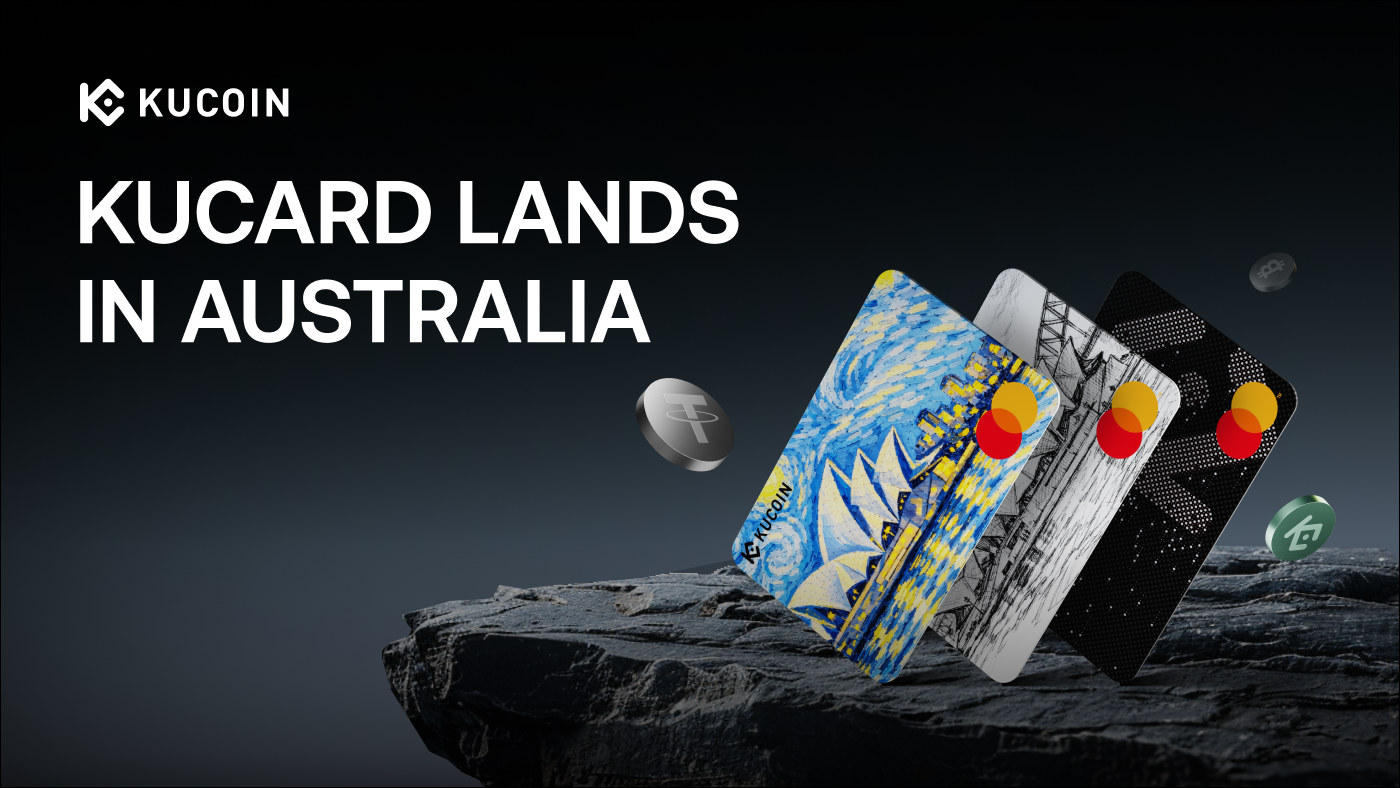
For Australians who spend overseas regularly, card costs often show up in small but repeated ways: foreign exchange margins, ATM charges, account fees, and the conversion path used when funds move from crypto into fiat. Those details can matter more than headline marketing, especially for travellers who want to understand how a crypto-linked prepaid card actually works before using it abroad. Australian users can explore KuCard on KuCoin Australia.
This article looks at KuCard through a travel-spending lens and compares its fee structure and card mechanics with two widely discussed alternatives, the Crypto.com Visa Card and the Bybit Card. The focus is strictly educational. Rather than making a product recommendation, the goal is to explain how these cards are structured, where foreign transaction costs may arise, what Australian applicants may need to know, and which practical considerations matter when using crypto-linked spending tools while travelling. Where possible, fee and product details below are based on official provider documentation current at the time of writing. KuCard fee information referenced here is drawn from KuCoin’s official support documentation, while competitor mechanics are based on official help pages. (KuCoin)
What Is KuCard? Key Features and How It Works
KuCard is a crypto-linked prepaid payment card offered through the KuCoin ecosystem, designed to let eligible users spend supported balances through a card network rather than withdrawing funds manually before making purchases. In practical terms, that means the card functions more like a prepaid spending product than a traditional credit card, and its usefulness for travel depends on how balances are funded, what currencies are involved, and what fees apply at the point of use. (KuCoin)
The card structure matters because travel costs usually arise not only from the visible “foreign transaction fee” line item, but also from the underlying settlement path. When a crypto card is used overseas, there can be several layers in play: the crypto asset held by the user, the card issuer’s conversion logic, the network settlement currency, and the local merchant currency. For that reason, “zero FX fee” language should always be read alongside the provider’s formal fee schedule and card terms. KuCard’s published fee schedule, for example, states that euro transactions are free while non-euro transactions are charged at 2% of the transaction total, which is directly relevant for Australians spending outside the euro area. (KuCoin)
For Australian readers, eligibility and availability should also be treated as operational details rather than assumptions. Crypto-linked card products can have residency restrictions, KYC requirements, and changing issuance coverage depending on region and provider policy. That is why the more useful question is not whether a card is “good for travel” in general, but whether its actual fee structure, supported jurisdictions, and top-up method align with the way a traveller expects to spend. Those wanting to review the broader platform environment can also read more about KuCoin features and services.
KuCard vs Crypto.com Visa Card vs Bybit Card: Fee Structure Compared
For travellers, fee structure is usually the clearest place to begin because it shows where costs may occur before rewards or convenience features are considered. KuCard, Crypto.com, and Bybit all sit in the crypto-linked prepaid card category, but they do not necessarily handle overseas use, cash withdrawals, or account mechanics in exactly the same way. The most relevant comparison points are card type, issuance cost, foreign transaction treatment, ATM fee structure, recurring account charges, and whether rewards require staking or tier conditions. Users can also check current crypto prices before deciding how and when to fund a travel card balance.
| Feature | KuCard | Crypto.com Visa Card | Bybit Card |
| Card type | Prepaid crypto-linked card | Prepaid Visa card | Mastercard prepaid card |
| Issuance fee | Physical card fee listed in official schedule | Varies by program/tier and market terms | Depends on current issuance terms and availability |
| FX transaction fee | Non-euro transactions listed at 2%; euro transactions listed as free | Official help materials describe overseas transaction handling and limits; exact cost treatment should be checked at time of use | Depends on card and transaction terms; check official AU card conditions |
| ATM withdrawal fee | International ATM withdrawal listed as 2% + €2.00 | Subject to card limits and applicable fees | Subject to issuer/network terms |
| Monthly/annual fee | No recurring fee stated in cited KuCard fee schedule | Depends on current program terms | Depends on current program terms |
| Cashback / rewards | May apply subject to tier conditions and provider terms | Reward mechanics vary by card tier and program rules | Loyalty rewards may apply subject to current program terms |
| Staking requirement | Tier-dependent where applicable | Historically tier-linked in parts of the program structure | Not stated as a staking-based travel mechanic in cited AU FAQ |
Fees and features are subject to change. Data sourced from official provider documentation and help pages accessed in March 2026. This comparison is for educational purposes only and does not constitute a recommendation. (KuCoin)
The most important travel-specific observation is that KuCard’s published fee schedule is transparent about non-euro usage. For an Australian spending in Singapore, Japan, or the United States, that means the relevant issue is not whether the card can be used abroad, but whether the 2% non-euro transaction fee changes the overall cost relative to the user’s expected transaction pattern. If a traveller spends heavily at merchants and avoids ATM withdrawals, the cost profile may look different from someone who relies on cash while moving between countries. (KuCoin)
By comparison, Crypto.com and Bybit may present travel utility through broader card ecosystem features, but Australian users still need to confirm current fee pages rather than relying on summaries from older reviews. That matters because card economics can change over time, especially where rewards programs, issuance rules, or regional support are concerned. In other words, “real savings” for travellers usually come from understanding the fee path in advance rather than assuming that all crypto cards remove foreign spending friction automatically.
Cashback and Rewards: What Australian Cardholders Should Know
Rewards are often the most visible part of crypto card marketing, but they should be read as conditional program features rather than fixed value. The workflow document provided for this article is clear that any mention of cashback needs to stay tied to officially confirmed mechanics and must not be framed as guaranteed value. That is particularly important for travel use, where the effective cost of spending may still be influenced by FX conversion, card funding timing, and crypto price movement even if a rewards feature exists.
For KuCard, cashback or reward access should therefore be understood through the provider’s current tier rules, limits, and eligibility conditions rather than as a universal card feature available in all cases. Some programs in this category use staking thresholds, holding balances, or promotional conditions to unlock different reward levels. That means the relevant question for Australian readers is not simply whether a percentage is advertised, but what must happen before that percentage applies, whether it applies only to eligible transactions, and whether there is any cap or exclusion list in the formal terms.
There is also a separate risk dimension that matters more with crypto-linked cards than with ordinary travel cards. If a user is funding travel spending from volatile crypto assets, then the purchasing power of that balance can change before the transaction is even made. Even where a rewards feature exists, that volatility can offset the practical value of a cashback mechanism. For that reason, rewards should be viewed as one part of the card structure rather than a standalone measure of cost efficiency. Readers wanting to understand the wider crypto ecosystem before funding a spending wallet can review KuCoin Learn and market resources.
Eligibility and How to Apply in Australia
For Australians, eligibility begins with identity verification and regional availability rather than card branding. In the material provided for this article, KYC and verified fee schedules are treated as mandatory research inputs, which reflects the practical reality of crypto-linked card products: they are not anonymous travel tools, and access can depend on residency, documentation, and provider-level risk controls.
In broad terms, applicants should expect to complete identity verification and, where required, address verification before card issuance or activation. That is consistent with how comparable products in the category operate. Bybit’s Australia card FAQ, for example, states that applicants may need to provide proof of identity and Australian residential address information, and it also notes that application outcomes remain subject to internal review. That does not automatically define KuCard’s Australian process, but it illustrates the kind of onboarding requirements users should expect across this product type.
The more practical travel question is timing. If a user intends to rely on a crypto-linked card overseas, it is worth allowing time for verification, card issuance where relevant, wallet funding, and test transactions before departure. That avoids the common mistake of treating a crypto card like an instantly travel-ready replacement for an established bank card. Those who want to begin the account setup process can sign up for KuCoin Australia and then review the latest product availability and account requirements directly within the platform.
Considerations for Australian Users
The strongest reason to read the fine detail on a crypto travel card is not only fees, but also how Australian tax and usage rules may intersect with spending activity. The Australian Taxation Office states that crypto assets are generally treated as CGT assets for tax purposes, and it specifically notes that disposing of crypto can include using it to buy goods or services, converting it to fiat, or loading certain payment products. The ATO also notes that topping up a prepaid debit card with crypto assets, which are then converted into AUD and later spent, is generally not treated as a personal use asset scenario in most cases. That makes record-keeping especially important for users who fund card spending from crypto rather than fiat. (ato.gov.au)
That tax treatment does not mean every transaction creates the same outcome, but it does mean Australian users should avoid assuming that “travel spending” automatically removes reporting obligations. The ATO’s guidance emphasises transaction records, acquisition values, disposal timing, and AUD-denominated record keeping. For anyone using a crypto-linked card abroad, the operational habit of keeping clean transaction records may be just as important as the card’s fee structure. (ato.gov.au)
There is also a market risk layer that does not exist in the same way with ordinary debit cards. If a user funds a travel card from BTC, ETH, or another volatile asset, then exchange rate movement can happen on two levels at once: the fiat FX rate relevant to the country of travel, and the crypto asset price relative to the user’s home-currency benchmark. The Reserve Bank of Australia’s exchange rate materials are useful background here because they highlight how currency conversion itself can move independently of other financial variables. In travel use, that means a “no foreign transaction fee” headline only addresses one part of total spending cost. (Reserve Bank of Australia)
Finally, users should account for operational platform risk. Crypto-linked prepaid cards can be affected by card network rules, provider policy changes, temporary account restrictions, verification delays, or regional availability shifts. Those are not unique to any one provider, but they are relevant enough that travellers may wish to keep a secondary payment method available rather than relying on a single crypto-linked card for all overseas spending.
Final Thoughts
For travelling Australians, the most useful way to assess a crypto card is not through slogans about “travel savings,” but through the card’s actual fee path, funding method, and the tax or record-keeping consequences of spending crypto-linked balances abroad. In structural terms, KuCard, Crypto.com, and Bybit all operate in the same broad prepaid crypto card category, but their mechanics, fee schedules, and regional conditions are not identical. KuCard’s published fee schedule is particularly relevant because it explicitly distinguishes euro and non-euro transactions, which has direct implications for Australian overseas use. (KuCoin)
This article provides educational information about KuCard and similar prepaid crypto cards available in Australia. Fees, limits, and features are subject to change. Readers should verify current terms directly with card providers and consider their own financial circumstances before applying for any financial product.
To learn more about KuCard, visit KuCoin Australia or explore the latest account and product information directly through the platform.
Disclaimer
Axis One Markets Pty Ltd is a Corporate Authorised Representative of Immersve Pty Ltd (ACN 658 192 057, AFSL No. 545925) and is authorised to provide certain financial services in respect of 'KuCard' on Immersve's behalf, limited to the scope of its Corporate Authorised Representative agreement with Immersve Pty Ltd. 'KuCard' is issued or provided by Immersve Pty Ltd, and it is solely responsible for the issuance of that product, including all associated disclosures and obligations under its Australian financial services licence. Immersve Pty Ltd is not responsible for any financial products or services issued by Echuca Trading Pty Ltd. Before acquiring or using any such financial product or service, you should read the relevant Product Disclosure Statement ("PDS"), Financial Services Guide ("FSG"), Target Market Determination ("TMD"), and any other disclosure documents issued by Immersve Pty Ltd.