

Crypto Mining Guide for Beginners: Understanding Basics
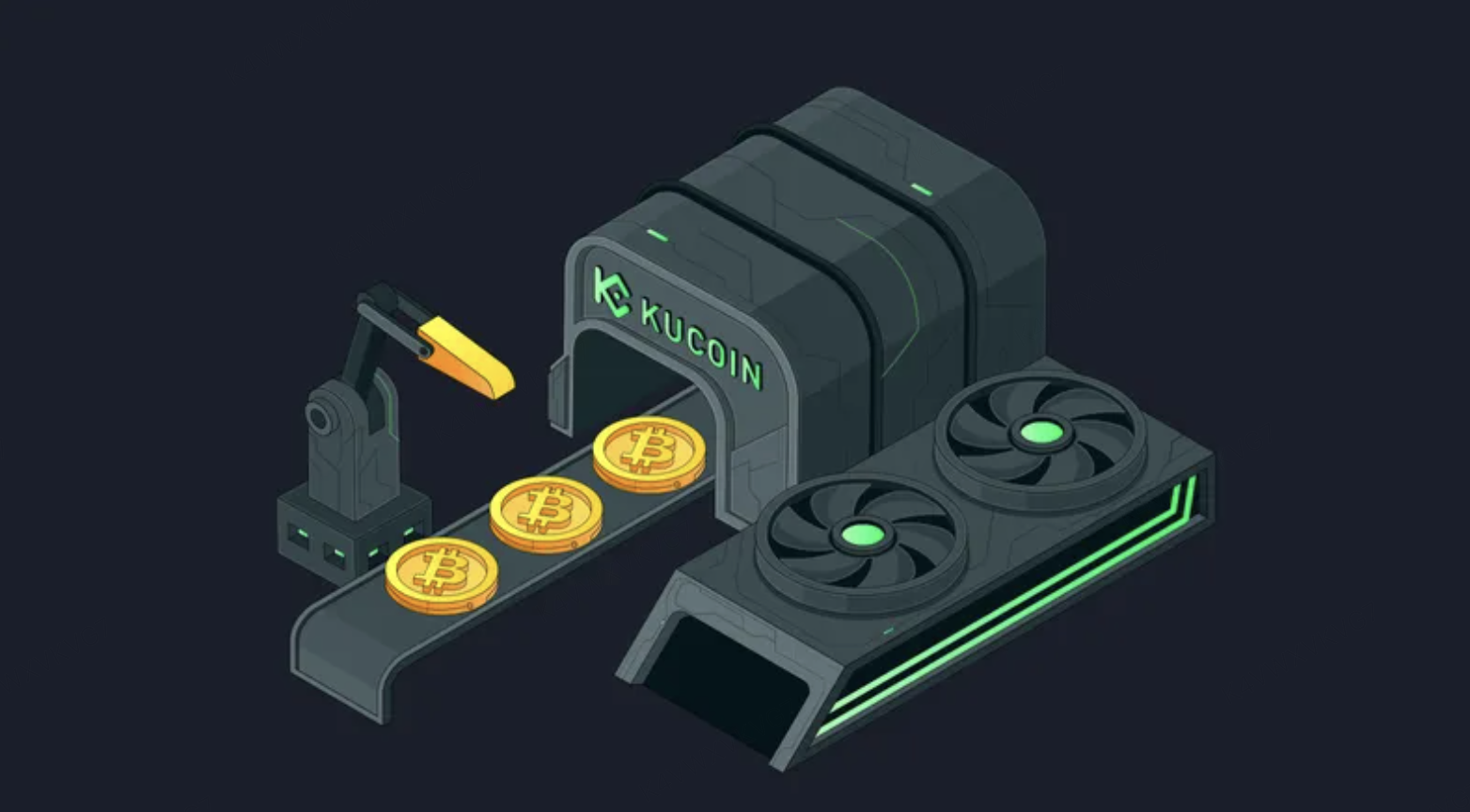
In the digital age, cryptocurrency has emerged as a revolutionary form of currency, drawing interest from investors, technologists, and everyday people alike. At the heart of many cryptocurrencies is a process known as "mining." But what exactly is crypto mining, and how does it work? If you're new to the world of digital currencies, this guide will help you understand the basics of crypto mining.
Cryptocurrency mining is often seen as the backbone of blockchain technology, facilitating the creation and verification of digital currency transactions. It's a complex process that not only secures the network but also ensures the integrity and consistency of the blockchain. For beginners, understanding crypto mining can seem daunting, but breaking it down into simple components can demystify this essential process.
Summary
Crypto mining is the decentralized process of validating and adding transactions to a blockchain—commonly via proof of work—rewarding miners with coins while securing the network. Beginners should choose a mineable coin, select suitable hardware (ASICs or GPUs), install mining software, and often join a mining pool. Profitability depends on coin price, electricity costs, and hardware efficiency, with challenges including high energy use, rising difficulty, and significant upfront investment. Alternatives like proof of stake (minting) are more energy-efficient, and ongoing technological and regulatory changes continue to reshape the mining landscape.
Crypto mining is the process of verifying and adding transactions to a blockchain---a digital ledger that records all cryptocurrency transactions. Miners use powerful computers to solve complex mathematical problems that validate these transactions. In return for their efforts, miners are rewarded with cryptocurrency.
The essence of crypto mining lies in its ability to decentralise the verification of transactions, reducing the need for a central authority. This decentralised approach not only enhances security but also empowers individuals to participate actively in maintaining the blockchain. By verifying transactions, miners ensure that all exchanges of cryptocurrency are legitimate, fostering trust in the digital currency ecosystem.
The blockchain is a decentralised technology that underpins cryptocurrencies. It ensures that transactions are secure, transparent, and immutable.
Each block contains a list of transactions, and once a block is completed, it gets added to the chain of previous blocks---hence the name "blockchain."
Blockchain technology is transformative due to its open and distributed nature, where anyone can view the transactional data but no one can alter it without consensus. This immutability is a key feature that prevents fraud, as tampering with a single block would require altering all subsequent blocks, which is computationally impractical. The blockchain's transparency also means that all transactions are open for verification, further ensuring the system's integrity and trustworthiness.
At its core, mining is about solving cryptographic puzzles. These puzzles are incredibly complex and require significant computational power to solve. Miners compete against each other to solve these puzzles, and the first one to do so gets to add a new block to the blockchain.
This process is known as "proof of work."
"It ensures that the network remains secure, as altering any part of the blockchain would require redoing the proof of work for all subsequent blocks. Proof of work creates a competitive environment where miners invest substantial resources, including time and energy, to solve these puzzles. This competition not only secures the network but also maintains a fair distribution of newly minted coins, rewarding those who contribute computational power to the network.
Mining is crucial for several reasons:
-
Transaction Verification: Mining ensures that all transactions are legitimate and added to the blockchain correctly.
-
Security: By decentralising control over the blockchain, mining prevents fraud and double-spending.
-
New Coins Creation: Mining is the only way to introduce new coins into circulation in many cryptocurrencies, such as Bitcoin.
Furthermore, mining plays a crucial role in maintaining the decentralised ethos of cryptocurrencies, as it doesn't rely on a central authority to validate transactions. This decentralisation makes it difficult for any single entity to control or manipulate the blockchain, preserving the integrity and reliability of the entire system. Additionally, through the mining process, cryptocurrencies like Bitcoin adhere to a controlled supply mechanism, ensuring that coins are introduced into the market gradually over time.
While mining involves solving complex problems, minting is a different process used by some cryptocurrencies. Minting often relies on a "proof of stake" system, where validators are chosen based on their holdings in the cryptocurrency, rather than computational power.
Proof of stake is considered more energy-efficient compared to proof of work as it doesn't require the same level of computational effort.
Instead, it incentivises holding and staking coins, which can lead to a more sustainable and environmentally friendly blockchain network. While both methods aim to secure the network and validate transactions, the choice between mining and minting can significantly impact a cryptocurrency's operational efficiency and ecological footprint.
If you're considering venturing into the world of crypto mining, there are several steps you'll need to take.
Understanding the specific requirements and profitability of mining different cryptocurrencies is crucial.
Some cryptocurrencies may offer lower entry barriers due to less competition, while others, like Bitcoin, may require significant investment in hardware and energy. Evaluating the market trends and potential future value of a cryptocurrency can also guide your decision, helping you choose a currency that aligns with your financial objectives.
Mining requires specialised hardware. There are a few options:
-
CPU Mining: Using a computer's central processing unit (CPU) is the least efficient method and not recommended for most cryptocurrencies.
-
GPU Mining: Graphics processing units (GPUs) are more efficient than CPUs and are suitable for mining certain coins.
-
ASIC Mining: Application-specific integrated circuits (ASICs) are designed specifically for mining and offer the highest efficiency, but they can be costly.
Selecting the right hardware involves balancing cost, efficiency, and potential earnings.
While ASICs offer superior performance for specific coins like Bitcoin, they lack versatility. GPUs, on the other hand, can be used for mining various cryptocurrencies and offer a more flexible approach. Evaluating your budget and desired cryptocurrency can help determine the best hardware setup for your mining operation.
Once your hardware is ready, you'll need mining software to connect your computer to the blockchain network. Popular options include CGMiner, BFGMiner, and EasyMiner. These programmes will help you manage your mining efforts and connect to a mining pool if desired.
Mining software acts as the bridge between your hardware and the blockchain, enabling you to participate in the network. Some software solutions offer user-friendly interfaces, whilst others require command-line inputs, catering to different levels of technical expertise.
Additionally, software may provide features like performance monitoring and optimisation tools, which can help maximise your mining efficiency and profits.
Mining independently can be challenging, especially for beginners. Joining a mining pool allows you to combine your resources with other miners, increasing your chances of solving a block and earning rewards. The rewards are then distributed among all pool members based on their contribution.
Mining pools offer a collaborative approach, reducing the time between earning rewards and providing a more stable income stream. By joining a pool, miners can mitigate the risks associated with solo mining, such as inconsistent returns and increased difficulty levels. It's essential to evaluate the pool's fee structure, reliability, and reputation to ensure it aligns with your mining goals and expectations.
While mining can be rewarding, it's not without its challenges:
-
High Energy Consumption: Mining is energy-intensive, leading to high electricity costs.
-
Rising Difficulty Levels: As more miners join the network, solving the puzzles becomes more challenging.
-
Initial Investment: The cost of hardware and setup can be significant.
Moreover, the environmental impact of crypto mining is a growing concern. The energy demand not only affects profitability but also raises sustainability issues, pushing the industry to explore greener alternatives. Additionally, the volatility of cryptocurrency markets can introduce financial uncertainty, as fluctuating coin values can rapidly alter the profitability of mining operations.
Whether mining is profitable depends on various factors, including:
-
Cryptocurrency Value: The market value of the cryptocurrency you mine affects profitability.
-
Electricity Costs: High energy prices can eat into profits.
-
Hardware Efficiency: More efficient hardware can reduce costs and increase earnings.
Prospective miners must consider the potential return on investment by calculating their total operating costs against the expected earnings. Using online profitability calculators can provide insights into the feasibility of mining specific cryptocurrencies. Additionally, keeping abreast of technological advancements and market trends can help miners adapt their strategies to maintain profitability in a dynamic landscape.
The world of cryptocurrency is constantly evolving.
While mining has been a cornerstone of many cryptocurrencies, the future may see changes, such as Ethereum's shift from proof of work to proof of stake. These changes could impact the mining landscape, making it essential for miners to stay informed about industry developments.
Emerging technologies and regulatory changes can also shape the future of crypto mining. As the industry matures, innovations like more energy-efficient mining hardware and alternative consensus mechanisms may redefine traditional mining practices. Staying informed and adaptable will be key for miners looking to thrive in this ever-changing environment.
Crypto mining is an integral part of the cryptocurrency ecosystem, providing security and verifying transactions. While it presents challenges, understanding the basics of mining can open up new opportunities in the digital currency realm.
As with any investment, it's crucial to conduct thorough research and consider all factors before starting your mining journey.
By grasping the essentials outlined in this guide, you're better equipped to explore the world of crypto mining and decide if it's the right path for you. Whether you're motivated by the technological aspects or the potential financial gains, crypto mining offers a unique intersection of innovation and opportunity in the digital age.
Q&A
Question: What is crypto mining and how does it work? Short answer: Crypto mining is the decentralized process of validating and adding transactions to a blockchain, most commonly via proof of work. Miners use powerful, specialized hardware to compete to solve cryptographic puzzles; the first to solve a puzzle adds a new block to the chain and earns cryptocurrency rewards, helping secure the network and keep the ledger accurate and consistent.
Question: Why is mining important to cryptocurrencies and blockchains? Short answer: Mining verifies transactions, prevents fraud and double-spending, and issues new coins into circulation. By distributing verification across many participants, it strengthens security and resists manipulation, while the blockchain’s transparency and immutability make tampering computationally impractical and ensure trust in the system.
Question: How is “minting” in proof of stake different from mining in proof of work? Short answer: Mining (proof of work) relies on computational power and energy to solve puzzles, whereas minting (proof of stake) selects validators based on how many coins they hold and stake. PoS is generally more energy-efficient and can be more environmentally friendly; both secure the network and validate transactions, but with different trade-offs. Notably, Ethereum transitioned from PoW to PoS.
Question: What do I need to start mining as a beginner? Short answer: First choose a mineable coin that fits your goals and budget. Then pick hardware—CPUs are least efficient, GPUs are versatile for various coins, and ASICs are most efficient for specific coins like Bitcoin but cost more and lack flexibility. Install mining software (e.g., CGMiner, BFGMiner, EasyMiner) and consider joining a mining pool to combine resources and earn more frequent, proportional rewards, keeping an eye on pool fees and reputation.
Question: Is crypto mining profitable, and what are the main challenges? Short answer: Profitability depends on the coin’s market value, your electricity costs, and your hardware’s efficiency. Challenges include high energy use, rising network difficulty, significant upfront investment, and market volatility. Use profitability calculators, monitor technology and regulatory shifts, and regularly reassess costs and returns to stay viable.