

Strategic BTC Reserve: Sovereign Wealth & Macro Shifts
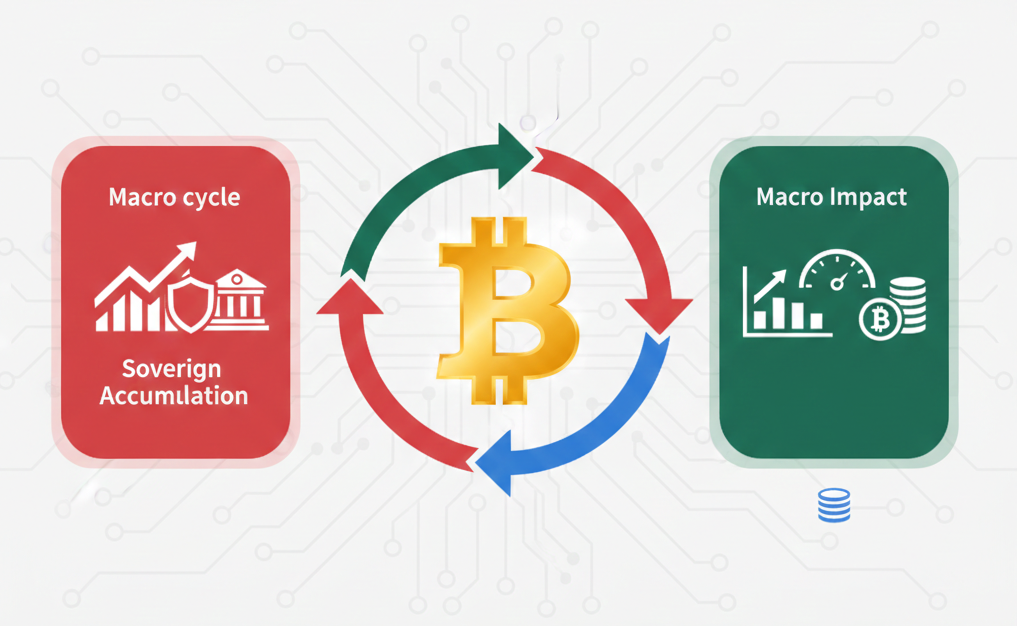
Key Takeaways
-
Sovereign Maturity: In 2026, the U.S. government has officially transitioned from selling seized assets to a "Permanent Hold" status for its 200,000+ BTC.
-
Budget Neutrality: Modern reserve implementation relies on "budget-neutral" strategies, such as converting existing gold or petroleum reserves into Bitcoin rather than using taxpayer funds.
-
The New Price Floor: Sovereign accumulation acts as a massive "mechanical bid," reducing historical volatility and creating a higher structural support level for BTC.
-
KuCoin’s Institutional Tools: Traders can mirror sovereign behavior by utilizing KuCoin Markets for long-term accumulation and wealth preservation.
In early 2026, the concept of a Strategic BTC Reserve transcended the realm of "online theory" to become a cornerstone of sovereign fiscal policy. As major economies grapple with skyrocketing national debts and the erosion of fiat purchasing power, the shift toward a decentralized, programmatically scarce reserve asset is no longer just an experiment. It is a strategic necessity.
-
The Global Race for a Strategic BTC Reserve
The Strategic BTC Reserve (SBR) movement reached a fever pitch in February 2026. Following the executive orders of 2025, the U.S. Treasury has formalized its stance: Bitcoin is now a "Strategic Digital Asset" of the United States.
The U.S. Digital Asset Stockpile
The U.S. currently holds approximately 198,000 to 200,000 BTC, primarily sourced from law enforcement seizures. In a historic hearing on February 4, 2026, Treasury Secretary Scott Bessent confirmed that while the government will not "bail out" the market, it will retain these assets as a long-term hedge against national debt.
This "HODL" strategy by the world's largest economy has fundamentally altered market dynamics. On KuCoin, we see a distinct reduction in "whale-driven" sell pressure, as these government-held coins are effectively removed from the circulating supply for a projected 20-year period.
-
State-Level Adoption: The "Billion Dollar" Domino Effect
While federal policy captures headlines, the real "Strategic BTC Reserve" movement is happening at the state level. As of mid-2026, over 16 U.S. states—including New Hampshire and Arizona—have introduced or passed legislation allowing state treasurers to invest in Bitcoin.
-
New Hampshire (HB 302): Allows the state to invest in digital assets with a market cap exceeding $500 billion, effectively making Bitcoin a legal part of the state's diversified portfolio.
-
Arizona (HB 2749): Focuses on using seized assets specifically for a state-level reserve, prohibiting the sale of BTC even during budget shortfalls.
This decentralized race for digital gold ensures that the Strategic BTC Reserve isn't just a top-down mandate, but a bipartisan realization of Bitcoin's role as a "Digital Treasury Bill."
Traders can track the real-time impact of these sovereign moves by following the KuCoin Blog, which provides deep-dive analyses on how state-level liquidity flows impact Bitcoin’s price parity against the AUD and USD.
-
Implementation: Budget-Neutral Strategies
One of the most significant shifts in 2026 is the method of acquisition. To avoid the political backlash of using taxpayer money to buy crypto, the Treasury has pivoted to "Budget-Neutral" strategies.
Asset Conversion
Rather than issuing new debt to buy Bitcoin, the government is exploring the conversion of a small percentage of the Strategic Petroleum Reserve or existing Gold Certificates into Bitcoin. This allows the nation to rebalance its balance sheet toward high-growth digital assets without adding to the fiscal deficit.
For individual investors, this provides a professional template for portfolio management. By using the KuCoin Lite version, retail traders can perform similar "rebalancing" maneuvers—converting a portion of their stablecoin or traditional asset holdings into BTC with zero complexity.
-
Market Impact: The End of the "Four-Year Cycle"?
The emergence of the Strategic BTC Reserve has led many analysts to declare the death of the "Four-Year Cycle."
-
Reduced Volatility: With sovereign nations and state treasuries acting as long-term "diamond hands," 80% drawdowns of previous cycles are becoming a thing of the past.
-
Treasury Asset Status: Bitcoin is increasingly traded not as a tech stock, but as a treasury asset. Its correlation with gold has reached an all-time high in early 2026.
-
Liquidity Injections: New banking regulations scheduled for implementation in April 2026 are expected to release billions in "Tier 1" capital, much of which is destined for sovereign-validated assets like BTC.
Before making significant moves based on these macro shifts, traders should always check the official KuCoin announcements for updates on institutional custody solutions and new AUD-BTC liquidity pairs.
Conclusion: The Sovereign Standard
The Strategic BTC Reserve is the ultimate validation of Satoshi Nakamoto’s vision. In 2026, Bitcoin is no longer on trial—it is the judge of fiscal responsibility. As nations compete to build the largest digital stockpile, the "Sovereign Standard" will likely define the next decade of global finance. For the savvy investor, the goal is simple: accumulate alongside the giants. By leveraging the secure and deep liquidity of KuCoin, you are positioning yourself on the right side of history.
FAQs for “Strategic BTC Reserve & Global Policy”
Will the U.S. government sell its Bitcoin if the price hits a new high?
According to current executive orders and the proposed BITCOIN Act of 2026, the Strategic BTC Reserve is intended for a minimum 20-year holding period to strengthen the national balance sheet. Sale is prohibited except in extreme national emergencies.
How does a Strategic BTC Reserve affect the price of Bitcoin?
It creates a "Supply Shock." When a government removes 200,000 BTC from the market and commits to not selling, the remaining circulating supply becomes scarce. This structural demand typically leads to higher price floors and lower volatility.
Can I see the government's Bitcoin holdings on KuCoin?
While government wallets are on-chain and public, KuCoin Markets allows you to track the market reaction to movement in these wallets, providing real-time data on volume and sentiment shifts.
What is the difference between a federal and state-level reserve?
Federal reserves focus on national debt offset and global monetary competition. State-level reserves, like those in New Hampshire, are often part of a state's pension fund or general investment fund to protect against local currency inflation.
Is the KuCoin Lite version safe for long-term holding?
The KuCoin Lite version is perfect for quick accumulation. For sovereign-level security, KuCoin employs multi-layered encryption and cold storage, making it a trusted partner for investors who share the government’s "long-term hold" philosophy. You can find more security tips on the KuCoin Blog.
Trade Like a Sovereign Nation
-
Start Your Strategic Reserve: Sign in to KuCoin
-
Monitor Global Liquidity Flows: KuCoin Markets Real-Time
-
Explore Sovereign Crypto Research: Visit KuCoin Blog
-
Stay Informed on Regulatory Changes: Check KuCoin Announcements