

Australian 1 Dollar Coin: History, Design & Value
Summary
Introduced in 1984 to replace the one dollar note, the Australian 1 dollar coin features Stuart Devlin’s iconic “mob of roos” on the reverse and a portrait of Queen Elizabeth II on the obverse. Made from an alloy of 92% copper, 6% aluminium, and 2% nickel, it weighs 9 grams, measures 25 millimetres in diameter, and is 2.8 millimetres thick. Widely used in everyday transactions and compatible with machines, it also serves as a cultural symbol in events like coin tosses. Numerous commemorative editions enhance its collectability, with rarity, condition, and design driving value.
The Australian 1 dollar coin is a fascinating piece of currency. It holds a special place in Australia's monetary system. Introduced in 1984, it replaced the one dollar note.
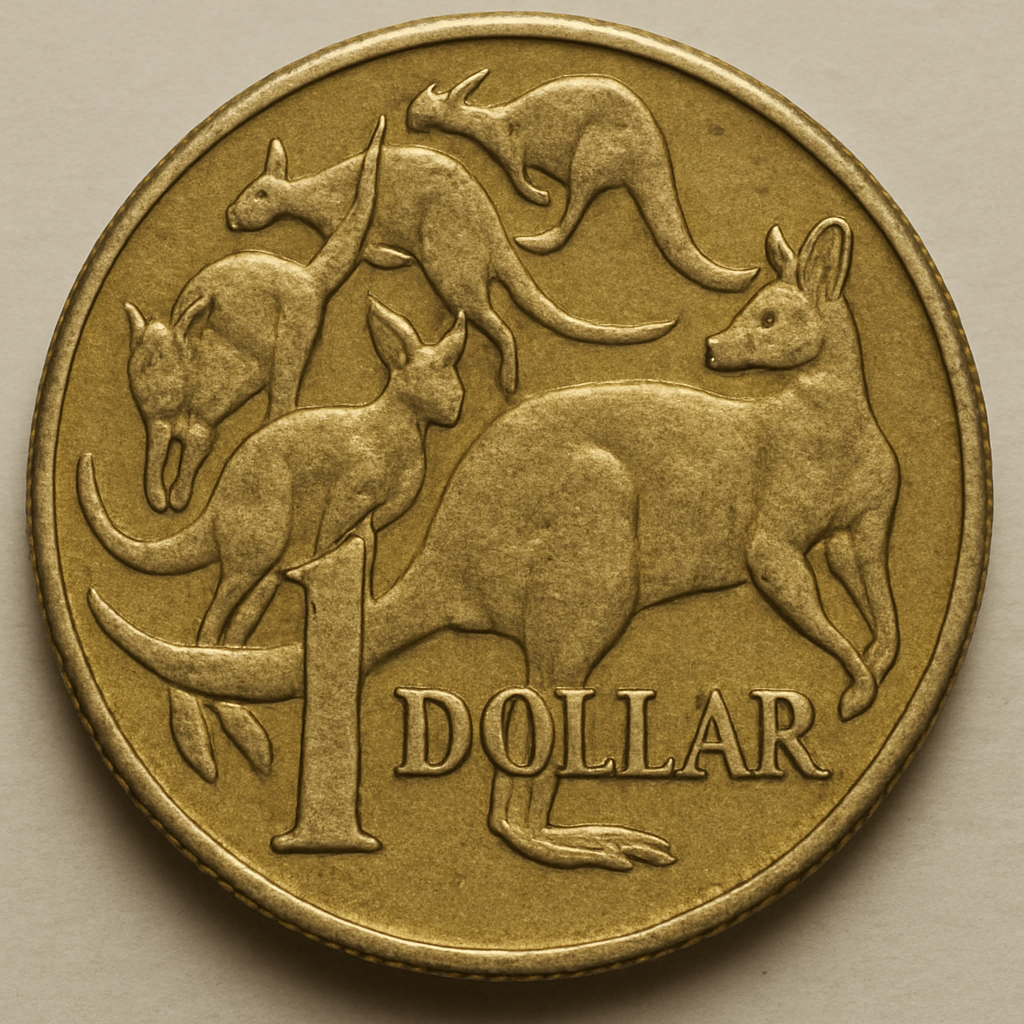
This coin is not just a means of transaction; it is a symbol of national pride and cultural heritage. Its design features five kangaroos, a nod to Australia's unique wildlife.
The coin's composition is an alloy of copper, aluminium, and nickel. This makes it durable and resistant to wear. Its weight and size make it easy to handle.
Collectors and enthusiasts value the Australian 1 dollar coin. Its design and history make it a sought-after item. Special editions add to its allure.
Understanding this coin offers insight into Australia's economy and culture. It is more than just currency; it is a piece of history.
History of the Australian 1 Dollar Coin
The Australian 1 dollar coin has an intriguing history. It was introduced to the public in 1984. This marked a significant shift in Australian currency.
Previously, Australia used a one dollar note. The introduction of the coin aimed to enhance durability. Notes wore out quickly, making coins a logical choice.
The coin's entry was met with enthusiasm. It was designed by Stuart Devlin, a renowned artist. His design features kangaroos, reflecting Australia's fauna.
Key milestones in the coin's history include:
-
1984: The coin's first release, replacing the dollar note.
-
1999: Introduction of special commemorative editions.
-
2000s: Continued popularity among collectors.
In its early days, the coin symbolised modernity. Over time, it became an integral part of everyday life. Its design and resilience ensured its widespread acceptance.
Today, the Australian 1 dollar coin is a staple. It represents more than just monetary value.
It is part of a broader narrative of Australia's economic evolution.
The coin continues to capture interest. Its rich history adds depth to its financial role. This makes the Australian 1 dollar coin an enduring piece of national heritage.
Design and Symbolism
The Australian 1 dollar coin is celebrated for its design. Its artistry reflects the nation's identity. The reverse side showcases five kangaroos, a motif known as the "mob of roos." This design highlights Australia's rich wildlife.
The obverse side is equally significant. It features a portrait of Queen Elizabeth II. This nods to Australia's connection with the British monarchy. The coin's appearance is both regal and uniquely Australian.
Stuart Devlin's design brought the coin to life. His work is recognised for its attention to detail. The choice of kangaroos was deliberate. It symbolises agility, independence, and the natural beauty of Australia.
Key elements of the coin's design include:
-
Kangaroos: Represent Australian wildlife and strength.
-
Queen's Portrait: Emphasises historical ties and authority.
-
Detailed Engravings: Showcases craftsmanship and artistic merit.
Beyond aesthetics, the coin's design carries symbolism. It bridges traditional values with modern aesthetics. The kangaroos serve as cultural ambassadors, echoing the vibrancy of Australia's environment.
Overall, the coin's artistry is timeless. Its design remains largely unchanged since 1984. This consistency speaks to its enduring legacy. The Australian 1 dollar coin is a canvas of national pride and cultural symbolism.
Composition and Specifications
The Australian 1 dollar coin is not just attractive, but also scientifically crafted. It has a specific composition that offers durability. The coin is made from an alloy containing 92% copper, 6% aluminium, and 2% nickel. This mixture helps resist wear and tear, ensuring longevity.
Its physical specifications are just as detailed. The coin has a weight of 9 grams, making it easy to handle. Its diameter measures at 25 millimetres, and the thickness is 2.8 millimetres. These dimensions contribute to its practicality in daily use.
Here is a quick summary of its specifications:
-
Weight: 9 grams
-
Diameter: 25 millimetres
-
Thickness: 2.8 millimetres
-
Composition: 92% copper, 6% aluminium, 2% nickel
Designed for practicality and endurance, the coin also serves an educational role. It provides insights into the engineering feats behind currency creation. Such precise specifications help the coin to withstand extensive circulation, ensuring its place in everyday transactions.
Through thoughtful composition and design, the coin exemplifies quality manufacturing. This makes the Australian 1 dollar coin a model for modern coin minting. Its well-engineered form reflects the country's emphasis on high standards.
Circulation and Usage
The Australian 1 dollar coin plays a vital role in the country's economy. Introduced to replace the one dollar note, it quickly became a staple in everyday transactions. Its wide circulation demonstrates its importance in daily life, from grocery shopping to commuting.
The coin is known for its practical design, making it easy to use. Its dimensions allow for effortless handling, whether for purchases or savings. The coin is also compatible with various machines, such as vending machines and parking meters. This compatibility enhances its utility and accessibility.
Here's how the coin is commonly used:
-
Everyday Transactions: Groceries, public transport
-
Machines: Vending, parking meters
-
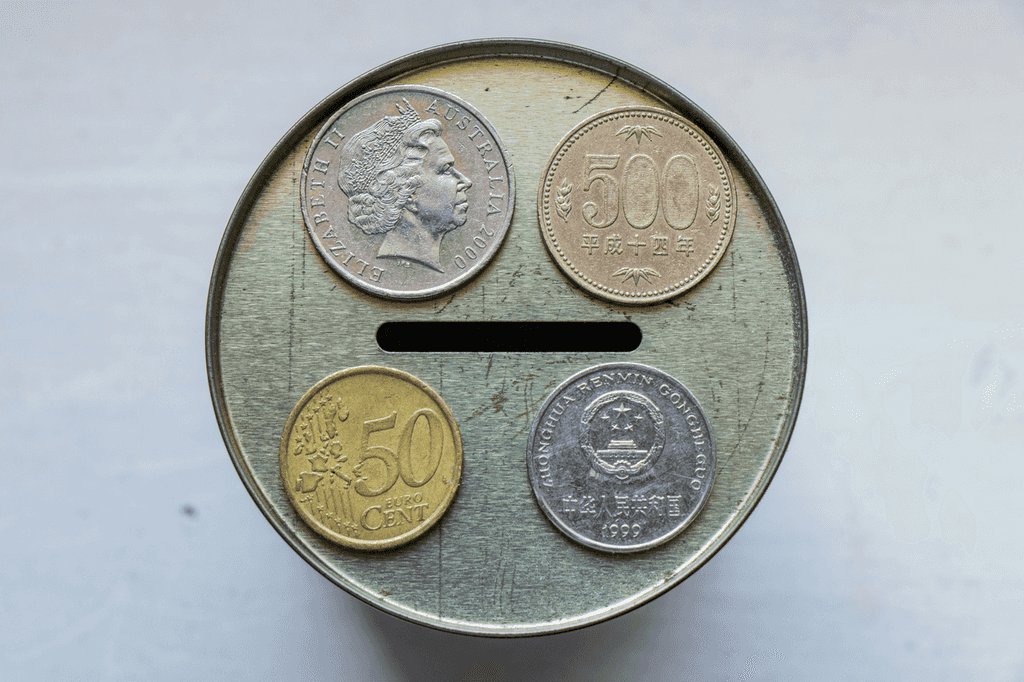
Savings: Piggy banks, collections
Beyond basic transactions, the 1 dollar coin finds use in cultural settings. It is often used in coin tosses for sports events, symbolising chance and fairness. This diverse usage underscores its significance beyond mere financial transactions, making it a cherished part of Australian society.
In summary, the coin's versatility and utility ensure its widespread use. Its integration into daily life reflects its enduring value and relevance. As such, the Australian 1 dollar coin is more than just currency; it's an integral aspect of the Australian lifestyle.
Commemorative and Special Editions
The Australian 1 dollar coin has not only a practical side but also an artistic one. Over the years, the Royal Australian Mint has issued several commemorative editions. These coins celebrate important events and anniversaries in Australian history and culture.
Each special edition coin has unique elements that set it apart from the standard version. The designs often highlight national achievements, renowned figures, or indigenous heritage. These creative variations make the coins sought after by collectors.
Some notable themes include:
-
Historic Anniversaries: Federation, ANZAC day
-
Cultural Celebrations: Indigenous culture, sporting achievements
-
Environment and Wildlife: Native species, environmental awareness
These special editions serve more than a commemorative purpose. They bring awareness to critical issues and celebrate national pride. Such coins connect the current generation with their heritage and educate on Australia's diverse culture.
Collectors highly value these editions for their limited availability. Their distinct designs and historical significance make them treasures in numismatic circles. Whether for educational purposes or investment, these coins hold a special place in both collections and Australian hearts.
Value and Collectability
The Australian 1 dollar coin holds significant value beyond its face value in the currency system. It is a favourite among collectors due to its design, history, and variations.
Collectors are always on the lookout for unique or rare pieces. A coin's value in the collector's market often exceeds its nominal worth. Condition, rarity, and historical context can all enhance a coin's desirability.
Values can vary based on specific factors:
-
Condition: Mint condition coins are highly prized.
-
Rarity: Limited edition releases or older mint years are more valuable.
-
Design: Coins with unique designs command higher prices.
While most Australian 1 dollar coins are used in everyday transactions, select coins can become valuable assets. Some are even significant investments due to their cultural and historic significance.
Over time, these coins can appreciate, especially commemorative and well-preserved editions. This potential makes them attractive both for numismatic interest and for financial investment. Many collectors view these coins as both art and history, creating a bridge to Australia's past.
The 1 Dollar Coin in Australian Culture
The Australian 1 dollar coin is more than just currency; it is a cultural icon. Its design featuring kangaroos resonates deeply with Australia's identity, symbolising the unique wildlife found on the continent.
In everyday life, the coin frequently makes appearances in cultural and social activities.
From being used in casual games like tossing a coin to playing a role in charity events, the coin's presence extends beyond monetary transactions.
In many ways, the coin has embedded itself into national consciousness through its diverse uses. Here are a few:
-
Representing Australian fauna in craft projects.
-
Appearing in films and adverts as a symbol of Aussie spirit.
-
Serving as educational tools in schools.
Its use and recognition are part of what makes it a beloved element of Australian life, bridging communities and celebrating shared national values. The coin's impact is a testament to its enduring place in the Australian cultural landscape.
Frequently Asked Questions
What are Australian 1 dollar coins made of?
Australian 1 dollar coins are made from a durable alloy. This composition includes 92% copper, 6% aluminium, and 2% nickel. This blend makes them resistant to corrosion.
How much does a 1 dollar coin weigh?
The weight of the Australian 1 dollar coin is 9 grams. This specific weight assists in its widespread use in various machines and devices. It ensures compatibility with international coin standards.
Why was the 1 dollar coin introduced?
The coin was introduced in 1984 to replace the paper note of the same value. Coins last longer than notes, reducing production costs. They are also more convenient for vending machines and other automated uses.
What is the significance of the kangaroo design?
The kangaroo design reflects a key aspect of Australian wildlife. It is a symbol that resonates globally with Australia. The design underscores the nation's rich cultural and natural heritage.
Are there any special editions of the coin?
Yes, numerous commemorative editions exist. These editions often celebrate significant national events or anniversaries. Collectors highly value them due to their limited availability.
-
Often minted for national events.
-
Attractive to collectors globally.
-
Provide insight into historical milestones.
How can I identify special editions?
Special editions may feature unique designs or mint marks. Information about these features is available from the Royal Australian Mint. Keeping an eye on mint releases helps in spotting such editions.
Conclusion
The Australian 1 dollar coin is more than simple currency. It carries historical significance and cultural depth. Its inception was a milestone in Australia's financial evolution.
From its durable alloy composition to its enduring design, the coin stands out. The kangaroo motif embodies Australia's unique identity. The coin's practicality in daily transactions confirms its value.
Collectors and numismatists deeply appreciate the 1 dollar coin. Its commemorative editions captivate both history buffs and casual collectors alike.