
Web3 Wallet Security Guide: Building Your On-Chain Vault
Web3 Wallet Security Guide: Building Your On-Chain Vault
I. Understanding the Core Risks of Web3 Transactions
Why is extreme caution necessary in blockchain transactions?
Types of Signatures: Transactions vs. Messages
-
Transaction Signatures: Authorize actions to take effect on-chain, such as transfers, token swaps, or interactions with smart contracts.
-
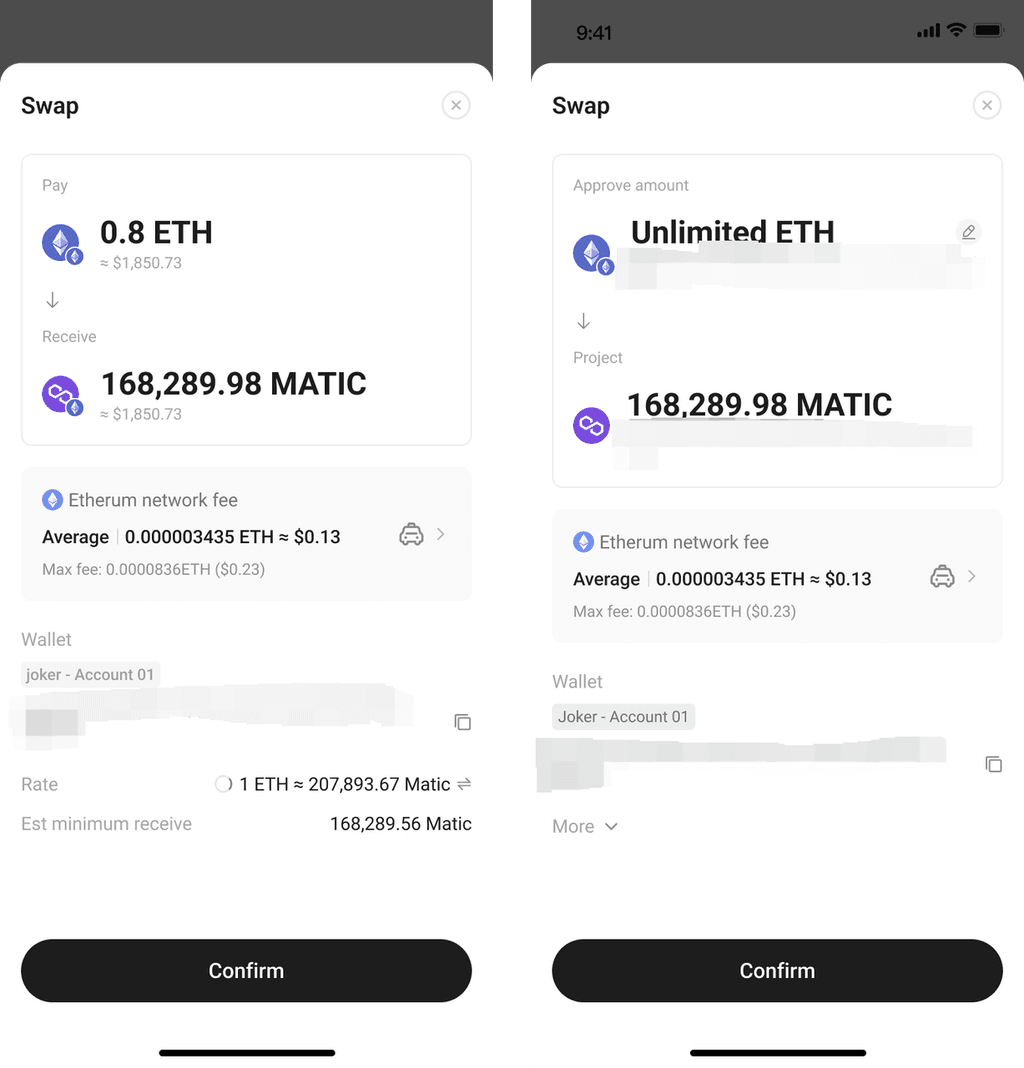
Message Signatures: Generally do not directly transfer funds, but certain formats (e.g., Permit, eth_sign) can be exploited as hidden authorizations to access your assets.
II. Pre-Signature Checklist
✅ Recipient Address
-
Don’t rely on just the first or last few characters—compare the full address character by character.
-
Never copy directly from transaction history to avoid falling victim to “poisoned address” scams.
✅ Transaction Details
-
Confirm both the token (e.g., USDT, USDC) and the blockchain network (e.g., Ethereum) align with your intended action.
✅ Signature Request Content
-
Are there unreadable characters or random strings?
-
Does it reasonably match the action you’re performing in the DApp?
-
If unsure about the purpose of the signature, stop immediately and research before proceeding.
III. Beware of Common Web3 Scams
| Type | Scam Tactics | Protection Tips |
| Poisoned Address Trap |
Scammers forge "fake addresses" similar to your commonly used ones, sending worthless tokens to you in an attempt to trick you into copying this address during the next transfer. |
1. Always copy addresses from trusted sources. addresses. address before executing larger transfers. |
| Phishing Website |
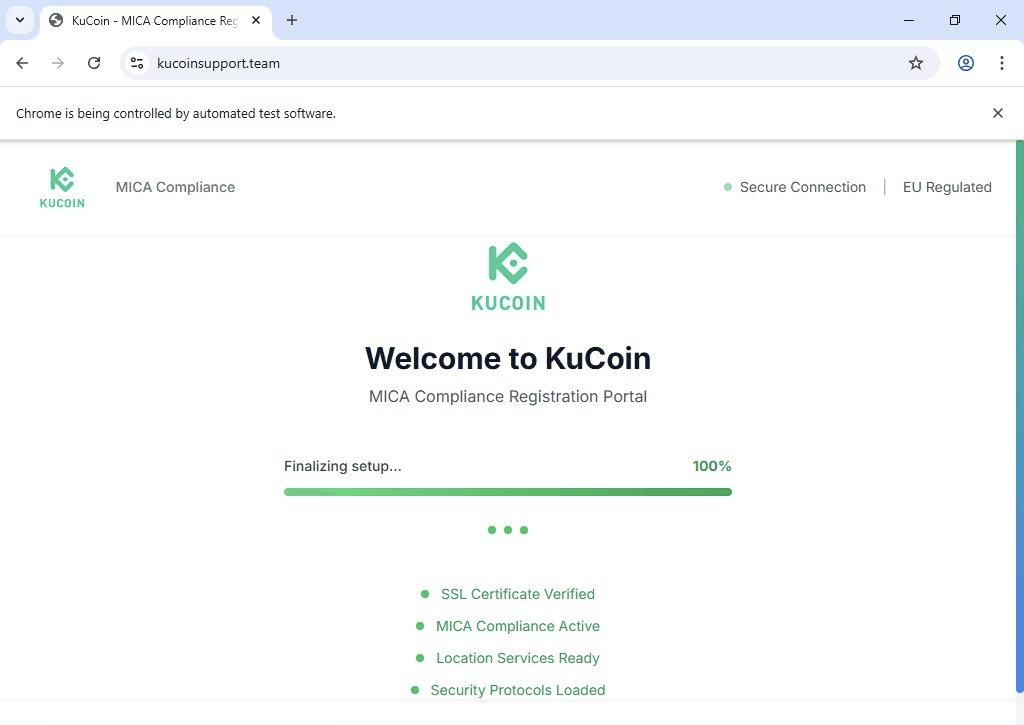
Fraudulent websites that impersonate official ones, enticing users to connect wallets and authorize signatures to steal assets. |
1. Avoid clicking on links sent by strangers. official bookmarks to visit. prompts, always verify through official channels. |
| Fake Airdrop/NFT Bait |
Unknown tokens or NFTs appearing in your wallet, possibly containing malicious code or bait links that trigger dangerous authorizations when clicked. |
1. Never interact with assets from unknown sources. transfer, or approve them. |
IV. The 5 Golden Rules of Web3 Wallet Security
-
Research DApp Background: Before connecting your wallet, investigate the project team, community, and whether its smart contracts have been audited.
-
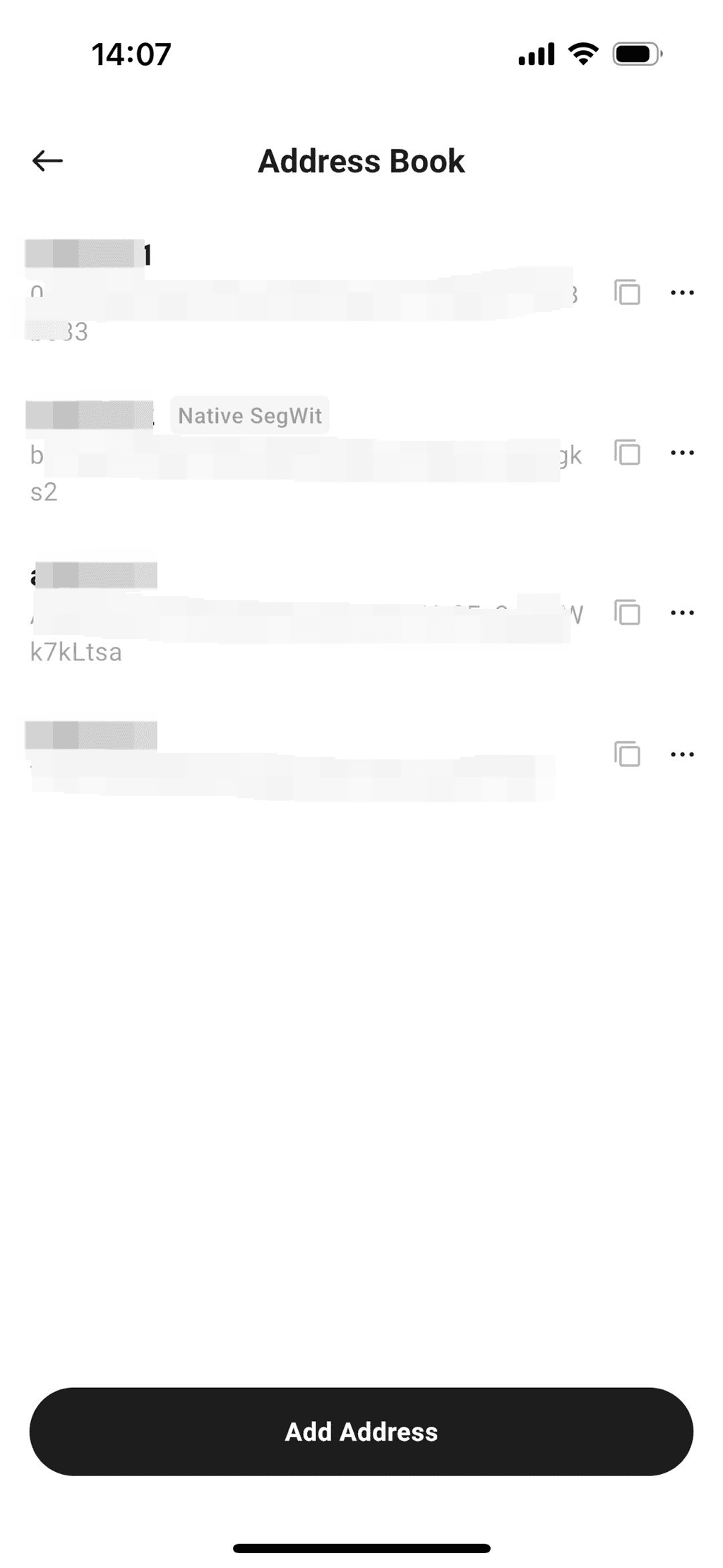
Avoid Copy-Paste Operations: Clipboard data can be tampered with—use your address book instead.
-
Save Trusted Addresses: Manage frequently used addresses securely within your wallet’s address book feature.
-
Verify Addresses Character by Character: Don’t rely on just the first or last digits; scammers exploit this habit.
-
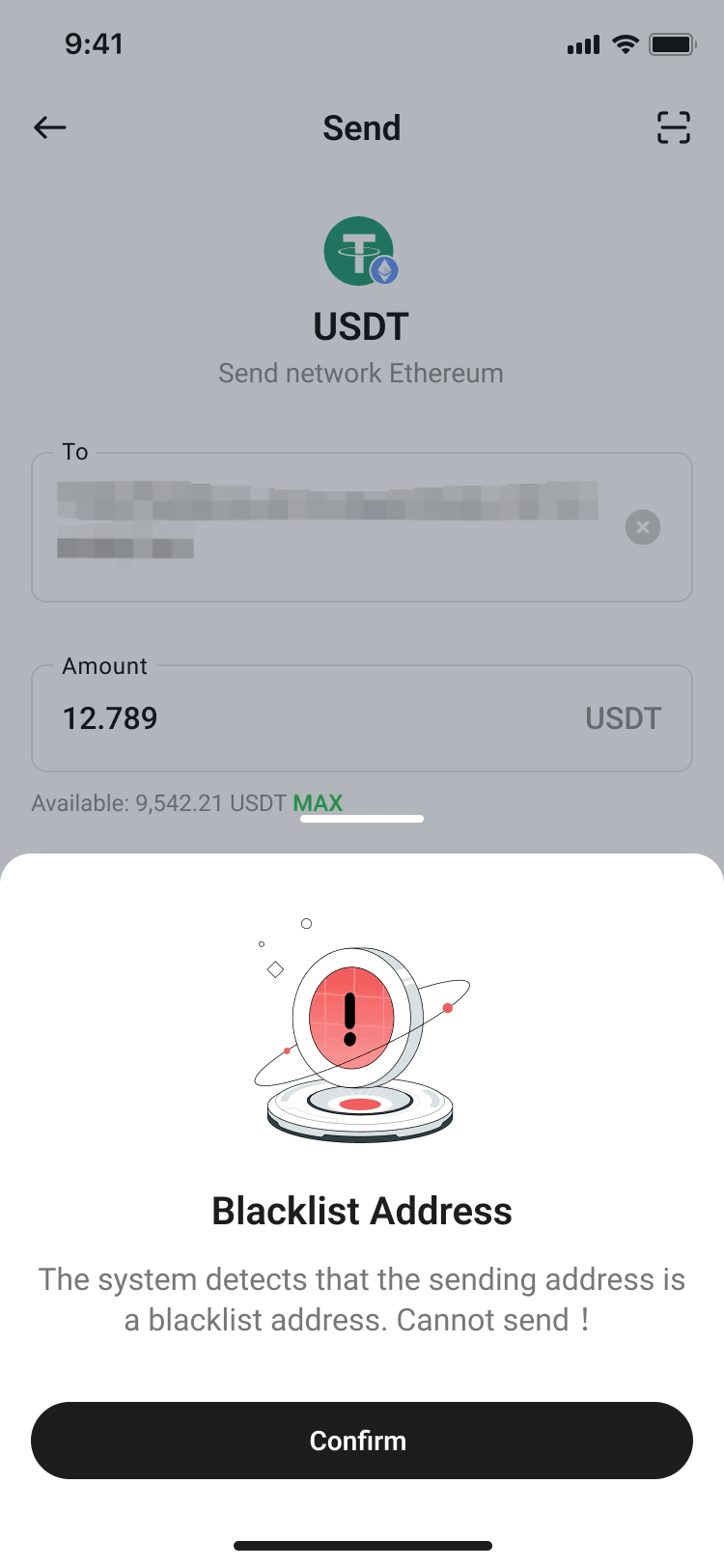
Heed Warnings and Prompts: Treat all wallet risk alerts as serious red flags.
V. Conclusion: Web3 Security Starts With “Sign With Caution”
Disclaimer: The information on this page may come from third parties and does not necessarily reflect KuCoin’s views. It is provided for general reference only and should not be interpreted as financial or investment advice.
Virtual asset investments may involve risk. Please carefully assess the product risks and your own risk tolerance. For more information, please refer to our Terms of Use and Risk Disclosure.