



Investing in Bitcoin: A Guide for Australian Residents
2026/01/12 09:42:02
Investing in digital assets like Bitcoin is a significant decision. As the digital economy evolves, many individuals are exploring Bitcoin as a way to diversify their holdings. This guide provides a foundational overview of the processes involved, from selection to storage, within the Australian regulatory landscape.

What is Bitcoin?
Bitcoin is a decentralised digital asset that operates on a peer-to-peer network. Unlike traditional currencies, it functions without a central authority or intermediary bank.
Key Characteristics:
-
Limited Supply: The Bitcoin protocol is designed with a fixed maximum supply.
-
Market Dynamics: Bitcoin is often viewed by some as a digital alternative to traditional stores of value, though it remains highly speculative.
-
Volatility: Bitcoin prices are subject to significant and rapid fluctuations. Prospective participants should only allocate funds they are prepared to lose.
Regulatory Status in Australia
Bitcoin is legal in Australia. For regulatory and tax purposes, the Australian government generally treats cryptocurrency as property rather than foreign currency.
Investors must comply with local tax obligations, and the regulatory environment remains subject to change. It is recommended to stay informed via official Australian Taxation Office (ATO) and AUSTRAC guidelines.
How Bitcoin Functions
Bitcoin operates on Blockchain technology, a distributed ledger that records transactions across a network of computers.
-
Verification: Transactions are verified by network participants.
-
Transparency: The blockchain provides a public record of transactions, though user identities remain pseudonymous.
-
Infrastructure: Accessing the network requires digital tools, specifically wallets and exchanges.
Methods of Accessing Bitcoin in Australia
There are several ways to gain exposure to Bitcoin, each involving different levels of technical involvement and risk:
-
Digital Asset Exchanges: Purchasing Bitcoin directly using Australian Dollars (AUD).
-
Financial Products: Exposure via ETFs or managed funds available through traditional brokerage platforms. These are subject to specific licensing and product disclosure statements.
-
Managed Investments: Specialist trusts or funds, which are often subject to management fees and different liquidity profiles.
Step-by-Step Overview: Accessing Bitcoin
-
Select a Platform
When choosing a platform, prioritise those registered with relevant Australian authorities. Look for features such as:
-
Clear fee structures.
-
Security protocols (e.g., cold storage for assets).
-
Compliance with Anti-Money Laundering (AML) and Counter-Terrorism Financing (CTF) laws.
-
Account Verification
In accordance with Australian law, reputable platforms require Know Your Customer (KYC) verification. This involves providing valid identification to prevent fraudulent activity.
-
Funding
Most platforms support AUD deposits via standard banking methods. Users should be aware that processing times and potential fees vary by provider.
-
Storage and Security
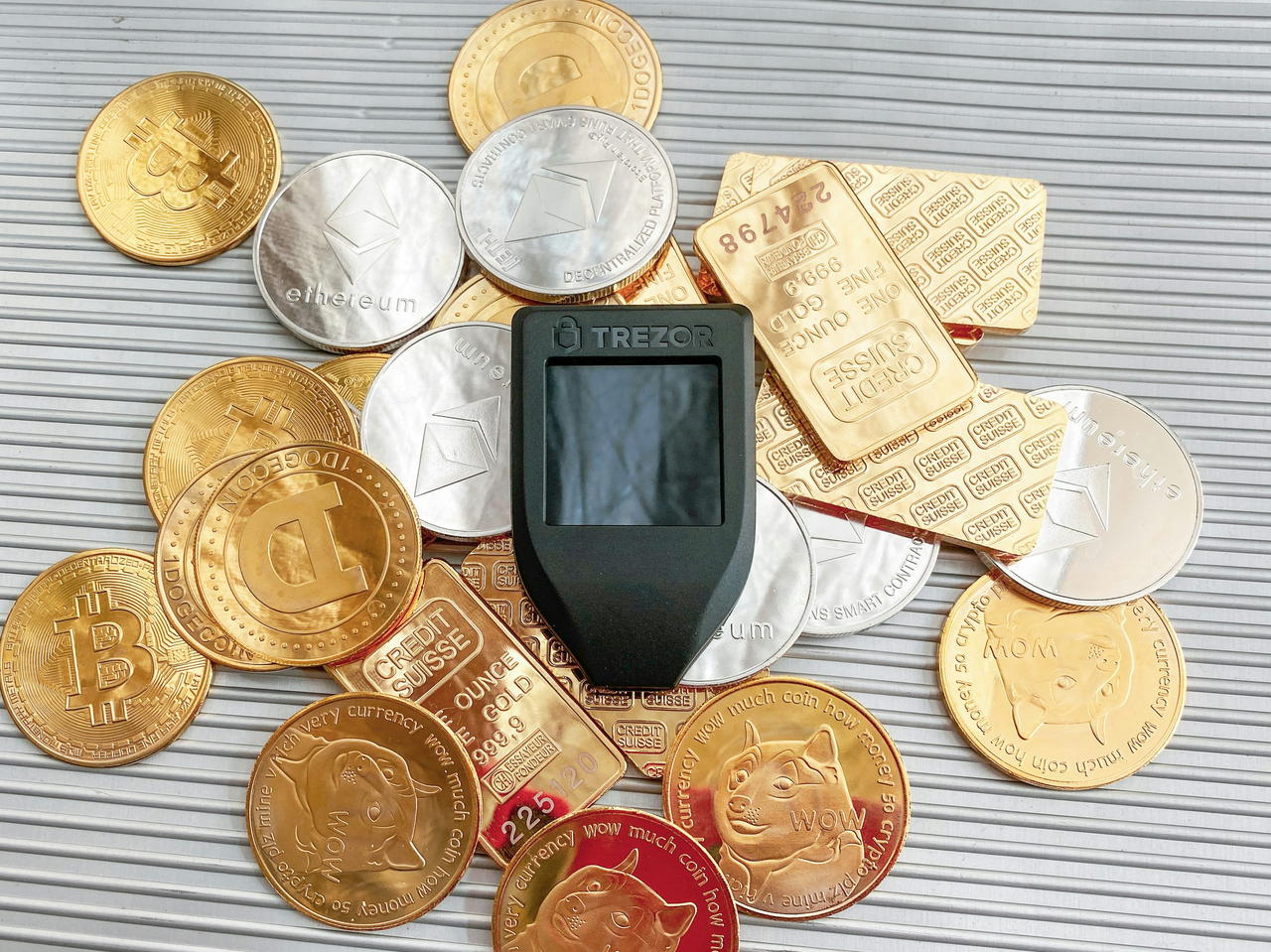
Securing your digital assets is the responsibility of the holder.
-
Custodial Wallets: Managed by the exchange.
-
Non-Custodial Wallets: Hardware or software solutions where the user retains full control of their private keys.
Security Note: It is advisable to use Two-Factor Authentication (2FA) and to keep private keys or recovery phrases in a secure, offline location.
Risks and Tax Considerations
-
Market Risk: The value of Bitcoin can decrease significantly in short periods.
-
Tax Obligations: In Australia, disposing of Bitcoin (selling, trading, or using it for purchases) may trigger a Capital Gains Tax (CGT) event.
-
Record Keeping: It is essential to maintain accurate records of all transaction dates, values in AUD, and the purpose of the transactions.
Frequently Asked Questions
-
Is Bitcoin safe? While the underlying technology is robust, the market is highly volatile and carries significant financial risk.
-
How do I start? Ensure you have researched the platform and understand the tax implications before committing funds.
-
What is the best storage method? This depends on your balance of convenience and security needs; however, hardware wallets are generally considered more secure for long-term holding.
Disclaimer: This information is for educational purposes only and does not constitute financial, investment, or tax advice. Please consult with a qualified professional before making financial decisions.