



What Are the Fees for Buying Crypto With Credit Card on KuCoin AU
Unlock the full breakdown of KuCoin AU fees for credit card crypto purchases in April 2026. Learn how to minimize costs using local payment rails and partner integrations.
Thesis Statement
The digital asset ecosystem in Australia has changed very fast as we head into the second quarter of 2026, with major platforms like KuCoin deepening their roots in the local market. For many Aussie traders, the convenience of using a credit card to snag the latest altcoin is a primary draw, yet the cost of that speed can be surprising if you do not know where to look. While the exchange offers a massive library of tokens, the price of entry via plastic involves a mix of third-party processor charges, network costs, and exchange-side service fees.
Navigating these expenses requires a clear understanding of how KuCoin interfaces with global payment giants and local Australian financial infrastructure to deliver instant liquidity. While KuCoin AU provides a seamless gateway for credit card crypto purchases, users must balance the 2% to 4.5% third-party processing fees against the speed of instant settlement to optimize their overall investment strategy.
Decoding The Gateway Costs Of Fast Credit Card Transactions
When you decide to swipe your credit card on KuCoin AU, you are not just interacting with a trading engine but engaging in a complex financial relay. The primary cost you encounter is the payment processor fee, which typically ranges from 2% to 4.5% depending on the specific partner you select at checkout. These processors, such as Banxa or Simplex, act as the bridge between your Australian bank and the crypto ecosystem.
Because credit card transactions carry higher risks for providers, they charge a premium to cover insurance, fraud prevention, and the immediate conversion of AUD into digital assets. For a typical $1,000 purchase, this means you might see $20 to $45 deducted before the first satoshi even hits your wallet. It is the price paid for skipping the multiday wait often associated with older banking methods.
Identifying The Role of Third-Party Providers In Your Final Price
KuCoin does not process credit card payments directly but instead integrates with a curated list of specialized vendors to facilitate fiat-to-crypto swaps. In 2026, providers like Banxa, MoonPay, and Simplex remain the dominant forces on the platform for Australian users. Each of these companies has a unique fee schedule that can fluctuate based on market volatility and the specific coin you are buying. Banxa often provides a more localized experience for Australians, sometimes offering slightly lower rates for AUD-denominated transactions compared to global competitors.
It is essential to click through each provider in the KuCoin Fast Trade menu to see the real-time quote, as the difference between providers can sometimes save you enough for an extra trade. These vendors also bake their service margin into the exchange rate they show you, which is why the price on the card screen might look different from the spot price on the charts.
Understanding The Dynamic Network Fee Applied To Every Purchase
Beyond the percentage taken by the card processor, every credit card purchase on KuCoin AU includes a network fee, often referred to as a "gas fee" or "miner fee." This cost has nothing to do with KuCoin or your bank; it is the price of recording your transaction on the blockchain. If you are buying a token on the Ethereum network, these fees can spike significantly during busy market hours.
Conversely, choosing a stablecoin on a faster network like Tron or Solana might result in a network fee of less than a dollar. When you use your credit card, the processor calculates this fee in real-time and adds it to your total. Sophisticated Aussie traders often wait for periods of low network activity to make their card purchases, ensuring that more of their hard-earned AUD goes toward the asset rather than the infrastructure.
Realizing The Impact Of Hidden Spreads On Your Token Total
The spread is the silent cost of convenience that many beginners overlook when using the Fast Trade feature on KuCoin AU. When a third-party provider quotes you a price for Bitcoin or Ethereum, they are essentially selling you the asset at a slight markup from the current market rate. This spread allows them to guarantee the price for the few minutes it takes you to enter your credit card details and complete the 3D Secure verification.
In the current 2026 market, these spreads can range from 0.5% to 1.5% on top of the stated transaction fees. While the interface makes it look like a simple one-click buy, the effective cost is a combination of the visible fee and this invisible price gap. Comparing the Fast Trade quote with the Spot Market price is the best way to see exactly how much you are paying for the privilege of an instant card transaction.
Spotting The Difference Between Credit Card And Debit Card Tiers
In Australia, the distinction between using a credit card and a debit card on KuCoin can lead to different financial outcomes at the end of the month. While the upfront fees charged by KuCoin's partners are often identical for both card types; your local bank might treat the transaction differently. Many Australian banks categorize crypto purchases made with a credit card as cash advances. This categorization triggers an immediate interest charge from your bank, often at a much higher rate than your standard purchase APR, and may also include a separate cash advance fee of $3 to $5.
Using a debit card linked to your AUD transaction account generally avoids these extra bank-side penalties. By opting for a debit card, you keep the transaction costs limited to what is shown on the KuCoin screen, preventing your bank from taking an extra slice of your investment.
Managing The Costs Of AUD To Cryptocurrency Conversion
KuCoin AU has made significant strides in supporting the Australian Dollar directly, but currency conversion remains a factor for certain exotic altcoins. If you are buying a mainstream asset like BTC or USDT, the processor handles the AUD conversion natively. However, if the specific pair you want requires an intermediate swap into USD, you might face a foreign exchange (FX) margin. Most reputable providers on the platform now offer Direct-to-AUD pricing, which minimizes this friction.
The integration of local payment rails means that Australian users are less likely to see the old 3% international transaction fees that used to plague the industry. Checking that your transaction is being settled in AUD on the final confirmation page is a vital step to ensure you aren't paying for an unnecessary trip through the US Dollar.
Exploring The Benefits Of The KuCard For Frequent Buyers
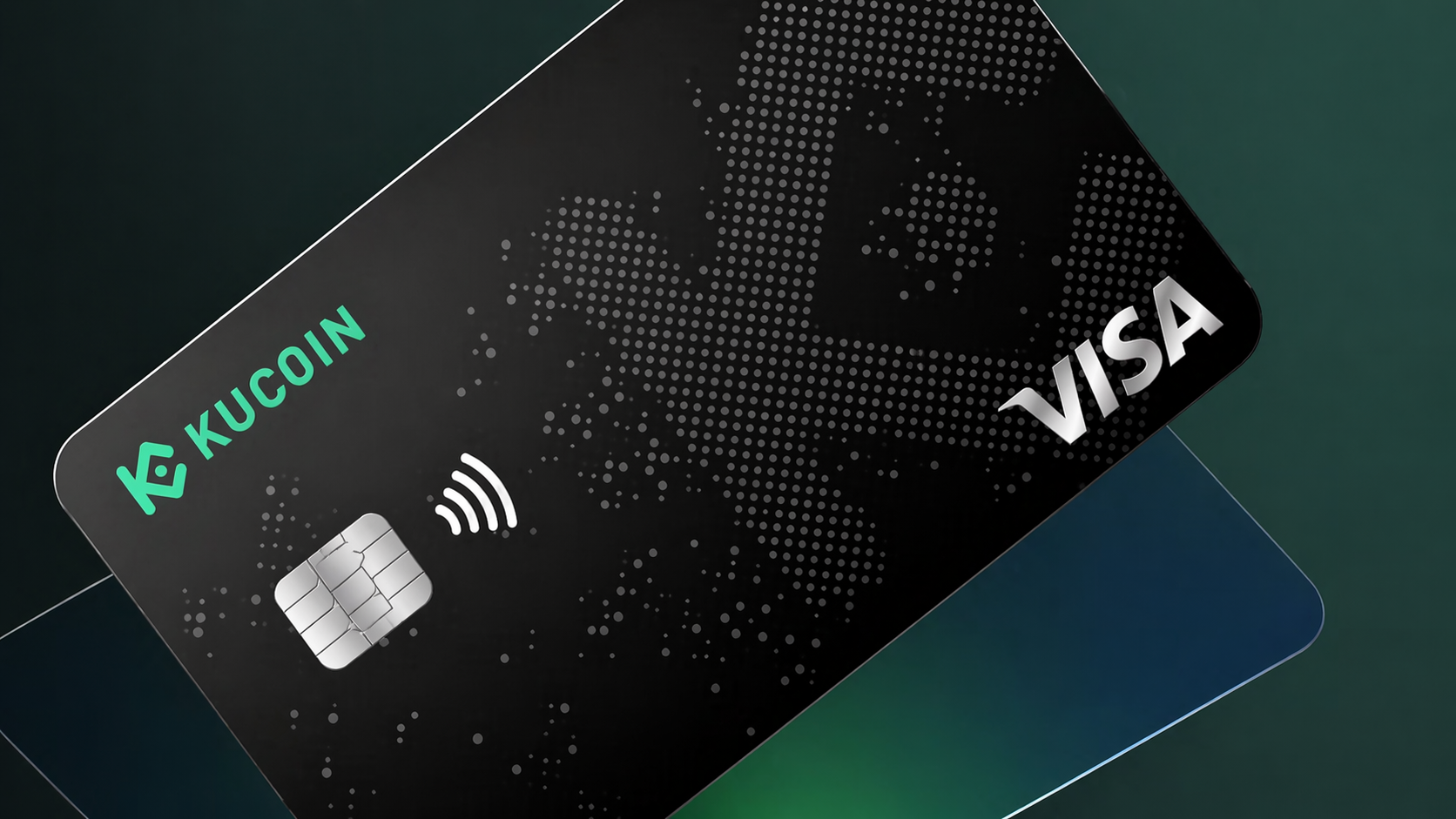
For the dedicated KuCoin user in Australia, the recently launched KuCard offers a new way to interact with the ecosystem while managing fees. This Mastercard-powered card allows you to spend your crypto directly at any Australian retailer, but it also changes the math on how you top up your account. Instead of paying high one-off credit card fees to buy crypto, many users are now using the KuCard ecosystem to earn cashback on their daily spending, which can then be rolled back into their trading balance.
The card integrates with Apple Pay and Google Pay, making the transition between fiat and digital assets almost invisible. While the focus here is on buying, the KuCard ecosystem represents a shift toward a holistic financial model where the traditional fee is offset by loyalty rewards and integrated spending features.
Exploring The KuCoin Tiered Fee Structure With KCS Discounts
While the third-party card processors have their own rules, the KuCoin exchange itself has a fee structure that you can optimize. If you hold the KuCoin Token (KCS), you can opt to pay your trading fees with it to receive a 20% discount. While this primarily applies to the spot and futures markets, it is relevant for card buyers who plan to trade their newly purchased assets. For instance, if you buy USDT with your credit card and then want to trade it for a trending AI token, having KCS in your wallet will lower the cost of that secondary trade.
KuCoin's VIP levels also offer deeper discounts for high-volume users. Even if your initial card purchase feels expensive, you can claw back some of that value by utilizing the native token's utility within the broader platform.
Assessing The Minimum And Maximum Limits For Australian Cardholders
Every time you reach for your credit card on KuCoin AU, you must navigate the transaction limits set by both the exchange and the payment processor. Typically, the minimum purchase amount is around $25 to $50 AUD. This is because the fixed portion of the fees, such as the network cost, would make smaller purchases economically unviable. On the upper end, new users might find themselves limited to a few thousand dollars per day until they complete higher levels of identity verification.
These limits are designed to protect both the user and the platform from fraudulent activity. For large-scale investors in Australia, hitting these limits might require multiple transactions, each incurring its own set of fees. Planning your entry into the market in larger, fewer blocks is usually more cost-effective than making many small card swipes over a week.
Comparing KuCoin Card Fees With Local Australian Exchanges
To truly understand the value of KuCoin AU, you have to look at the local competition. Homegrown Australian exchanges often offer direct bank transfers via PayID with zero fees, which is significantly cheaper than any credit card option. However, these local platforms may not have the vast selection of over 500 coins that KuCoin provides. When you choose to pay the 3% or 4% credit card fee on KuCoin, you are often paying for access to assets that aren't available anywhere else in the country.
The trade-off is between the free entry of a local bank transfer and the premium entry of a global credit card portal. Most savvy Aussie investors use a hybrid approach: they move large sums of AUD via bank transfer for their core holdings and use the credit card feature on KuCoin for high-speed access to time-sensitive altcoin opportunities.
Investigating The Impact Of 2026 Market Volatility On Fees
The year 2026 has seen its fair share of market swings, and these periods of high volatility directly impact the fees you see on KuCoin AU. When the market is moving fast, liquidity providers and card processors increase their spreads to protect themselves from rapid price changes during the transaction window. If Bitcoin is jumping $2,000 in a matter of minutes, the guaranteed price offered on the credit card screen will reflect a higher risk premium.
Furthermore, network congestion during these peaks can send gas fees into the stratosphere. An Aussie buyer might find that a transaction that costs $30 in fees on a quiet Tuesday costs $80 during a Friday night breakout. Keeping an eye on a market heat map can help you time your card purchases for calmer waters, ensuring you get the most tokens for your Australian dollars.
Utilizing The Fast Trade Interface For Best Value Discovery
The KuCoin Fast Trade interface is the primary tool for Australian card buyers, and it is designed for efficiency. Within this dashboard, you can toggle between different payment methods and see exactly how many tokens you will receive for your AUD. In 2026, this interface has been upgraded to show a more transparent breakdown of where the money is going. By spending an extra minute to compare the Best Offer with other available providers in the list, you can often find a discrepancy that works in your favor.
Some providers might have a lower percentage fee but a worse exchange rate, while others might have a higher flat fee but a better rate for larger purchases. Mastering this interface is the final step in becoming a cost-conscious crypto participant in the Australian market, allowing you to bridge the gap between fiat and crypto with confidence.
Frequently Asked Questions
1. What is the cheapest way to get funds onto KuCoin in Australia if I want to avoid credit card fees?
The most cost-effective method is using a bank transfer via PayID or Osko, which KuCoin AU supports for direct AUD deposits. These transfers are usually free and processed within minutes by the Australian banking system. Once your AUD is in your KuCoin funding account, you can use the Convert or Spot market to buy crypto at much lower rates than the 3% to 5% typically seen with credit cards.
2. Why does my bank charge me an extra fee after I buy crypto on KuCoin with my credit card?
Many Australian banks treat cryptocurrency purchases as Cash Advances rather than standard retail purchases. This means they apply a specific cash advance fee and start charging high interest immediately from the date of the transaction. To avoid this, it is recommended to use a debit card instead of a credit card, as debit transactions are pulled directly from your available balance and are rarely flagged as cash advances.
3. Are the fees on KuCoin AU the same for all cryptocurrencies when using a card?
No, the total fees vary based on the network the cryptocurrency uses. While the processor's percentage fee remains the same, the Network Fee, or Gas Fee, fluctuates. Buying a token on the Ethereum network (ERC-20) is usually more expensive than buying the same amount of a token on the Solana or BNB Chain. Always check the "Network Fee" line item on the confirmation screen before finalizing your purchase to ensure it isn't taking a large bite out of your total.
4. How long does it take for the crypto to appear in my KuCoin wallet after a card purchase?
Credit card purchases are designed for speed and are typically instant, meaning the assets should appear in your KuCoin account within 5 to 30 minutes. The delay is usually due to the time it takes for the payment processor to verify your card and for the blockchain to confirm the transaction. If it takes longer than an hour, it is often due to a "pending" status at your bank or an extra security check required by the third-party provider.
5. Can I use a digital wallet like Apple Pay or Google Pay on KuCoin AU to save on fees?
KuCoin supports Apple Pay and Google Pay through its third-party partners like MoonPay and Banxa. While these methods are extremely convenient and offer high security, they generally carry the same fee structure as a direct credit card entry. The primary advantage is the speed of checkout and the fact that you don't have to share your card details directly with the processor, but you should still expect to pay the standard 2% to 4.5% processing fee.
6. Is there a maximum amount of crypto I can buy with my card on KuCoin AU?
Yes, there are limits based on your KYC (Know Your Customer) verification level. For a basic account, you might be limited to approximately $2,000 AUD per day. After completing full identity verification, including a photo ID and facial recognition, these limits can increase significantly to $50,000 AUD or more. Additionally, your own bank may have a daily "Online Purchase" or "International Transaction" limit that could prevent larger card purchases regardless of your KuCoin status.
Disclaimer
This content is for informational purposes only and does not constitute investment advice. Cryptocurrency investments carry risk. Please do your own research (DYOR).